
Trees
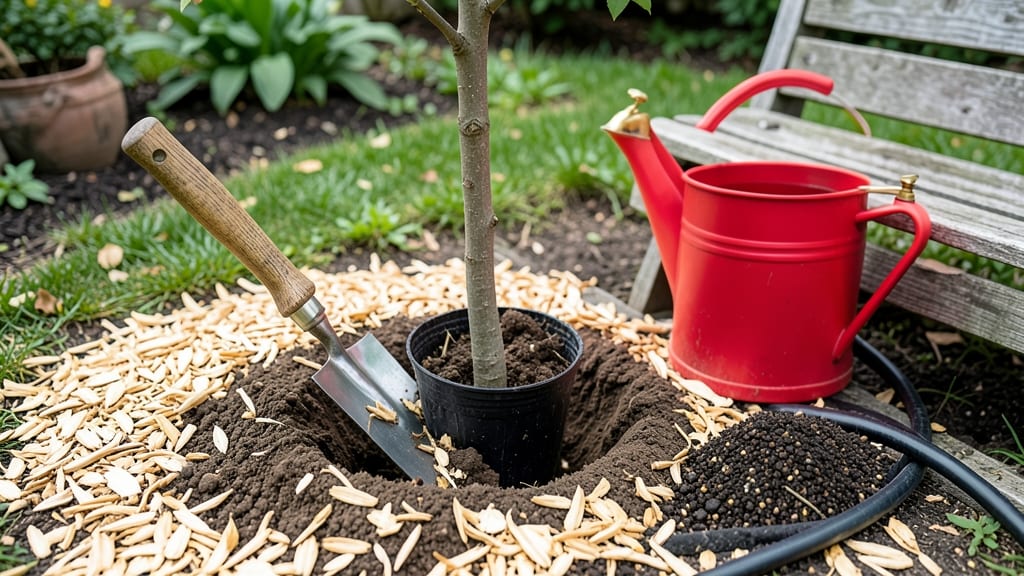
Planting peach trees in North Carolina at the right time ensures your 🍑 thrives and bears fruit for years to come.
Timing is everything—plant too early, and a late frost will kill your sapling. Too late, and the roots won’t establish before winter. In NC’s 6a-8b zones, the frost-free window is tight, and missing it means wasted effort.
Most gardeners swear by late winter to early spring (February–March) for bare-root trees, but containerized varieties can go in until November. The key is knowing your last frost date—whether you’re in the Piedmont or the coast—and how your chosen variety handles cold snaps.
Below, I break down the exact planting windows by zone, the best peach varieties for NC’s climate, and how to stretch your season with simple tricks—so you can avoid the heartbreak of a frost-killed orchard.
Best planting window for peach trees in NC: frost dates & hardiness zones
North Carolina’s diverse climate—spanning USDA Zones 7-8—means your peach tree planting window depends heavily on where you live. In the mountains (Zone 7a), frost lingers until mid-April, while coastal areas (Zone 8b) see last frosts by late February.
Planting too early risks frost damage to tender roots, but waiting too long delays root establishment before summer heat arrives.
For bare-root peach trees, aim to plant within 2-3 weeks after your region’s last average frost date. Container-grown trees offer a 2-week extension since their roots are already established. Fall planting is also ideal—6-8 weeks before your first frost—giving roots time to anchor before winter dormancy.
Use the USDA Plant Hardiness Zone Map to pinpoint your exact frost dates. The NC State Extension provides localized frost data, including microclimate variations (e.g., valleys vs. slopes). For example, Asheville (Zone 7a) has a 10-day later frost window than Raleigh (Zone 7b).
Here’s your NC peach tree planting timeline** broken down by zone and season:
| Zone | Last Frost Date | First Frost Date | Best Spring Planting Window | Best Fall Planting Window |
|---|---|---|---|---|
| 7a (Mountains) | Mid-April | Mid-November | Late April–May 15 | October 1–October 15 |
| 7b (Piedmont) | Late March | Late October | March 20–April 30 | September 15–October 30 |
| 8a (Coastal) | Early March | Early December | February 15–March 31 | September 1–November 15 |
| 8b (Southeast) | Late February | Late December | February 1–March 15 | October 15–December 1 |
*Adjust dates 1–2 weeks earlier for container-grown trees.
In Zone 7a, where frosts linger, prioritize fall planting (October) to avoid spring’s unpredictable late frosts. Meanwhile, Zone 8b gardeners can plant as early as February, but avoid planting before ground temperatures rise above 40°F—cold soil stunts root growth.
Pro tip: Check NC State Climate Office for your county’s 30-year frost averages. For example, Charlotte (Zone 8a) averages its last frost on March 10, but a microclimate (like a south-facing slope) might warm up 10 days earlier. Plant accordingly!
If you miss the ideal window, don’t panic. Container-grown peach trees can be planted up to June, but expect slower establishment. For bare-root trees, fall is non-negotiable—spring planting risks shock from delayed root growth.
Always plant on a cloudy day or in the late afternoon to reduce transplant shock. Water deeply immediately after planting and mulch with 3–4 inches of wood chips to insulate roots.
In Zone 7, add a frost blanket for the first 2 weeks to protect young trees from late frosts.
Remember: Peach trees need 200–300 chill hours (below 45°F) to bloom properly. Most NC zones meet this, but low-chill varieties (like Redhaven) are safer in Zone 8b** where winters are milder.
🌱
Peach tree varieties & their optimal planting times in NC
North Carolina’s peach varieties bloom at different times, and matching your tree variety to the right planting window ensures successful fruit set. Early bloomers like Redhaven need cooler spring air to avoid frost damage, while late bloomers like Elberta can handle warmer conditions.
Understanding these differences helps you plant at the perfect time for your region.
Your USDA zone (7a-8b) and local frost dates dictate when to plant. For example, in Zone 7a, late February is ideal for early varieties, while Zone 8b gardeners can plant mid-March. The key is avoiding late frosts, which can destroy blossoms before fruit sets.
| Variety | Bloom Time | Best Planting Window (NC) | Frost Risk | Notes |
|---|---|---|---|---|
| Redhaven | Early (late Feb - early Mar) | Late Feb - early Mar (Zone 7a) / Early Mar (Zone 8b) | High (needs protection) | Classic red freestone; needs chill hours |
| Elberta | Mid (early - mid Mar) | Early Mar - early Apr | Moderate (watch forecasts) | Yellow freestone; heat-tolerant |
| Crimson Snow | Late (mid - late Mar) | Mid Mar - early Apr | Low (best for warm zones) | White/yellow with red blush; low chill |
| Contender | Mid (early - mid Mar) | Early Mar - early Apr | Moderate (needs chill) | Red freestone; disease-resistant |
| Relenta | Late (mid - late Mar) | Mid Mar - early Apr | Low (heat-tolerant) | Yellow freestone; great for Zone 8b |
For early bloomers like Redhaven, plant bare-root trees in late February (Zone 7a) or early March (Zone 8b) to give roots time to establish before blossoms appear. These varieties need 600-800 chill hours, so they thrive in cooler Piedmont regions. Use frost cloth if late frosts are forecasted.
Mid-season varieties like Elberta and Contender bloom in early to mid-March, making them ideal for Zone 7b-8a. Plant them in early March to balance root establishment with bloom timing. These trees handle 500-700 chill hours and do well in both Piedmont and Coastal Plain areas with proper irrigation.
Late bloomers like Crimson Snow and Relenta are perfect for Zone 8b gardeners, as they bloom in mid to late March when frost risks are lower. Plant these in mid-March for optimal fruit set. They require 300-500 chill hours, making them great for warmer microclimates or urban heat islands.
Always check your local frost dates and adjust planting by 2-3 weeks if you’re in a microclimate. For example, a south-facing slope may be 5°F warmer than your average, allowing you to plant slightly earlier. Monitor weather forecasts and be ready to protect blossoms with row covers if needed.