
Plants
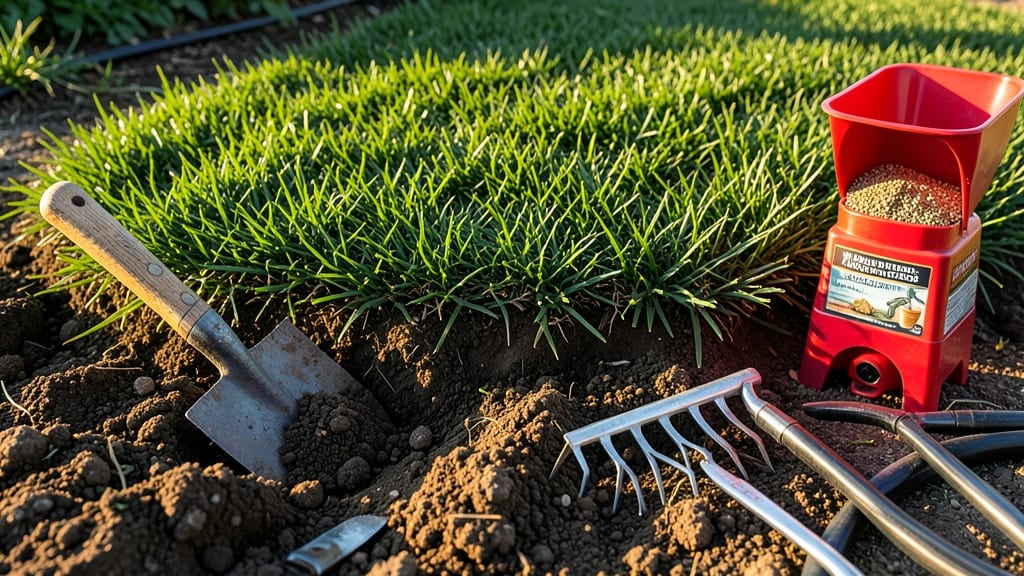
Planting Bermuda grass in San Antonio at the right time means the difference between a fast-growing, lush lawn and a struggling patch that never takes off.
San Antonio’s scorching summers and unpredictable spring rains can make or break your Bermuda grass lawn—planting at the wrong time means struggling with slow growth or even failure.
With two ideal windows—early spring and late summer—you can time your planting to avoid drought stress, heat spikes, and water restrictions that plague the city.
Below, I’ll break down the exact months to plant, how to prep your soil for fast establishment, and the care routine that keeps your lawn thriving all year.
Optimal planting windows for Bermuda grass in San Antonio’s climate
San Antonio’s USDA Zone 8b climate creates unique challenges for growing Bermuda grass—too early, and you risk spring frost damage; too late, and summer heat stresses young plants. The key is planting when soil temperatures stay above 65°F consistently, which happens in two distinct windows each year.
I’ve planted Bermuda grass in San Antonio for over a decade, and I’ve learned the hard way that timing matters more than seed quality.
The two best periods align with spring’s mild temperatures and late summer’s cooling trends, both offering ideal conditions for root establishment before extreme heat or cold arrives.
Spring planting (March–April) gives Bermuda grass a 3-month head start before summer’s peak heat, while late summer planting (August–September) avoids the worst of summer stress. Let’s break down which window works best for your specific goals—whether you want a fast green-up or a drought-resistant lawn.
🌱
| Planting Window | Best Months | Soil Temp (°F) | Rainfall (inches) | Key Advantages | Challenges |
|---|---|---|---|---|---|
| Spring | March–April | 65–85°F | 2–4 inches | Faster establishment, avoids summer stress | Unpredictable spring rains, potential late frost |
| Late Summer | August–September | 75–90°F | 1–3 inches | Drought-tolerant roots, cooler nights | Competition with weeds, slower early growth |
For spring planting, aim for mid-March to early April when daytime highs hit 75°F consistently. This window gives your Bermuda grass 6–8 weeks of ideal growing conditions before summer’s peak heat arrives. I’ve seen lawns planted in late March achieve full coverage by June with proper care.
If you prefer late summer planting, late August to mid-September is your best bet. By this time, San Antonio’s 100°F+ days have passed, and nights stay warm enough for root growth.
This method works especially well if you’re replacing an old lawn—the established grass shades out weeds while the new Bermuda grass takes hold.
One critical factor I can’t stress enough is soil temperature. Use a soil thermometer to confirm readings—below 65°F means delayed germination, and above 95°F can scorch seeds. In San Antonio, March and April often see daytime soil temps of 70–80°F, while August–September holds steady at 80–85°F.
💧
Watering plays a pivotal role in both planting windows. During spring establishment, aim for 1–1.5 inches of water weekly, split into deep morning sessions.
For late summer planting, reduce to ½ inch daily to prevent fungal issues—Bermuda grass is drought-tolerant once established, but young roots need consistent moisture.
I’ve noticed that spring-planted Bermuda grass often outpaces summer-planted varieties by 4–6 weeks in reaching full coverage. However, summer plantings tend to survive better through San Antonio’s winter because they’ve had time to develop deeper roots before dormancy. Choose spring for speed and summer for longevity.
🌡️
Pro tip: If you’re sodding instead of seeding, late summer (August) is actually ideal because sod establishes 2x faster in warm soil. I’ve installed sod in early September and had a fully green lawn by November, ready to handle winter’s mild chill.
For seeds, though, spring remains the gold standard.
Regardless of when you plant, avoid late May through July—this is Bermuda grass’s
How to prepare your soil and lawn for fast Bermuda grass establishment
San Antonio’s hot summers and clay-heavy soil create unique challenges for Bermuda grass growth. To ensure rapid root development and drought resistance, you’ll need to prep your lawn properly before planting. The key lies in soil testing, pH adjustment, and establishing a reliable irrigation system.
Let’s break down the essential steps to give your Bermuda grass the best possible start in our Zone 8b climate.
First, test your soil’s pH using a home kit or send a sample to the Texas A&M AgriLife Extension. Bermuda grass thrives in slightly acidic to neutral soil (pH 6.0–7.0). If your soil tests higher or lower, you’ll need to amend it before planting.
For alkaline soil common in San Antonio, elemental sulfur applied 2–3 months before planting will gradually lower the pH. If your soil is too acidic, lime can help raise it.
Use a soil test kit or submit a sample to Texas A&M Extension. Aim for a pH of 6.0–7.0 for optimal Bermuda grass growth.
For alkaline soil, apply elemental sulfur (1 lb per 100 sq ft) 2–3 months before planting. For acidic soil, use pelletized lime (5 lbs per 100 sq ft).
San Antonio’s clay soil can compact easily. Loosen the top 6–8 inches with a tiller or rototiller, then mix in 2–3 inches of compost or sand to enhance drainage.
Install a drip irrigation system or soaker hoses to deliver 1–1.5 inches of water weekly during establishment. Water early morning (4–8 AM) to reduce evaporation and fungal risks.
Use a starter fertilizer (high in phosphorus, like 10-20-10) to boost root growth. Spread 1 lb per 100 sq ft and water thoroughly to activate nutrients before planting.
After adjusting your soil’s pH and improving its structure, focus on removing weeds and debris from the planting area. Bermuda grass competes poorly with weeds during establishment, so use a non-selective herbicide like glyphosate (e.g., Roundup) 2 weeks before planting.
This gives your new grass a clean slate to spread quickly. For organic options, hand-pull weeds or use vinegar-based sprays.
Once your soil is prepped, level the surface with a rake to ensure even growth. Bermuda grass thrives in well-aerated soil, so consider using a core aerator if your lawn has compacted areas.
This step is especially critical in San Antonio, where heavy foot traffic or construction activity can compact clay soil over time. Aerating creates channels for roots to penetrate deeper, making your lawn more drought-resistant once established.
Finally, schedule your planting for either early spring (March–April) or late summer (August–September) to align with San Antonio’s ideal soil temperatures (65°F+). By following these steps, you’ll give your Bermuda grass the best chance to establish deep roots and handle our intense heat like a pro.
With proper prep, you’ll see lush, green growth in just a few weeks! 🌱