
Plants
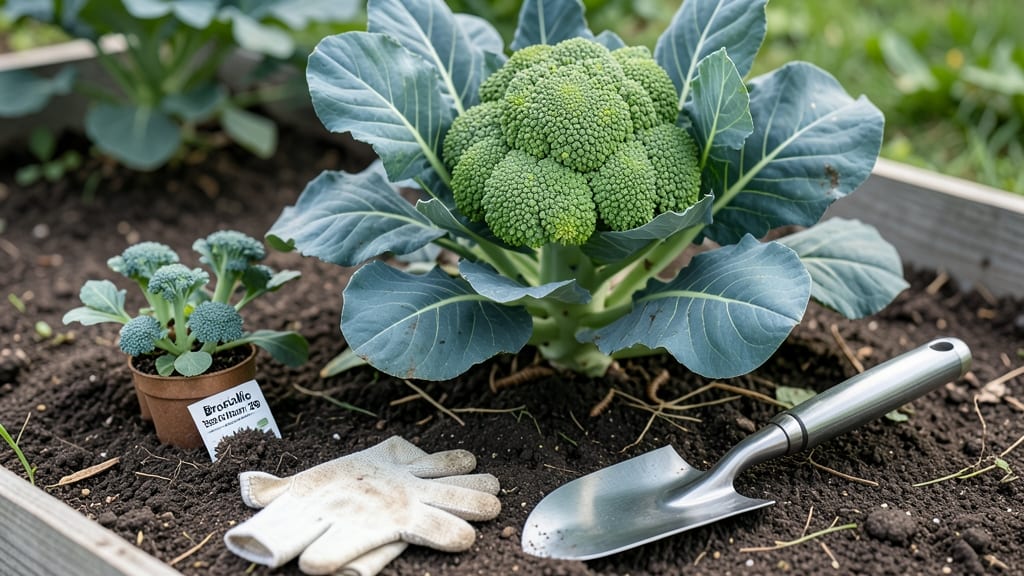
Plant broccoli in Mississippi between late February and early March for spring harvests or August to early September for fall, timing that avoids both summer heat and early frosts.
Mississippi’s long growing season and unpredictable frosts make timing everything—plant too early, and your 🥦 bolts in the heat; too late, and a late frost ruins your harvest.
The key is knowing your last frost date (around March 15) and first frost (about November 15) to lock in the sweet spot.
Heat-tolerant varieties like 'De Cicco' and 'Waltham 29' handle Mississippi’s summers better than standard broccoli, but even they need shade cloth in peak July. Below, I’ll walk you through the exact planting windows, soil prep tricks, and how to stretch your harvest with succession planting.
You’ll leave here with a clear calendar for your region (North vs. South MS), soil temperature tips, and the one mistake that wipes out 80% of Mississippi gardens—and how to avoid it.
Mississippi broccoli planting calendar: frost dates & heat-tolerant varieties
Growing broccoli in Mississippi requires careful timing to avoid the brutal summer heat and unpredictable frosts. The state’s USDA Zone 8a climate means you can plant spring and fall crops, but each region has slightly different frost-free deadlines.
North Mississippi’s cooler temperatures extend the growing season by 2-3 weeks compared to the hotter South.
For most of Mississippi, the last spring frost typically occurs between February 15 and March 15, while the first fall frost arrives around November 15. These dates create a 215-day frost-free window, perfect for two broccoli harvests per year if you plan correctly.
Here’s your Mississippi broccoli planting calendar broken down by region, including the best heat-tolerant varieties to plant:
| Region | Last Frost Date | First Frost Date | Spring Planting Window | Fall Planting Window | Best Varieties |
|---|---|---|---|---|---|
| North Mississippi (e.g., Tupelo, Oxford) | February 20 - March 5 | November 1 - November 15 | Late February - Early March | August 15 - September 1 | 'Waltham 29', 'De Cicco' |
| Central Mississippi (e.g., Jackson, Starkville) | March 1 - March 15 | November 10 - November 25 | Early March | August 1 - August 15 | 'Calabrese', 'Green Magic' |
| South Mississippi (e.g., Biloxi, Gulfport) | March 10 - March 20 | November 20 - December 5 | Mid-March | July 30 - August 10 | 'Belstar', 'Packman' |
For spring plantings, aim to sow seeds 4-6 weeks before your last frost date. In North Mississippi, this means starting in late February, while South Mississippi gardeners should wait until mid-March to avoid heat stress.
Always use soil thermometers to ensure temperatures stay above 40°F (4°C) for germination.
The key to Mississippi broccoli success is choosing heat-tolerant varieties. 'De Cicco' and 'Waltham 29' are classic choices that handle 85°F (29°C) temperatures better than most, while 'Calabrese' produces large heads even in humid southern climates. For coastal areas, 'Belstar' resists bolting better in late summer heat.
Soil temperature is just as critical as air temperature. Broccoli seeds won’t germinate well in soil below 45°F (7°C), so use black plastic mulch or row covers to warm the soil in early spring.
In fall, plant when soil temperatures drop below 80°F (27°C) to prevent stress. For South Mississippi, this means starting fall crops in late July rather than August.
Mississippi’s humidity levels (often exceeding 70%) can cause fungal diseases like downy mildew. Space plants 18-24 inches apart for airflow and water at soil level (not overhead) to keep leaves dry. A 2-3 inch mulch layer of straw or pine needles helps maintain even moisture without encouraging fungal growth.
Remember that coastal areas (like the Mississippi Gulf Coast) have warmer microclimates than inland regions. If you’re near the coast, you can push your fall planting window slightly later—up to early Augusthurricane season (June-November) which can delay harvests.
For gardeners in USDA Zone 8a, the ideal planting windows are: - Spring: February 20 - March 15 (North) to March 10 - March 25 (South) - Fall: August 1 - September 1 (North) to July 30 - August 15 (South) These timelines ensure you harvest before summer bolting or winter frosts ruin your crop.
Pro tip: Start a few weekly succession plantings in spring to extend your harvest. For example, sow half your seeds in late February and the other half in early March—this staggered approach gives you broccoli from April through June instead of a single flush.
How to extend broccoli harvests in Mississippi’s heat: succession planting & shade tips
Mississippi’s summer heat can cause broccoli to bolt prematurely, turning your garden dreams into bitter disappointment. The key to success lies in strategic planting schedules and temperature control.
By extending your harvest window through succession planting and shade solutions, you can enjoy fresh broccoli well into the fall—even when thermometers hit the 90s. Let’s break down the science-backed methods to keep your plants cool and productive.
Broccoli thrives in cooler temperatures (ideal range: 60–75°F), making Mississippi’s fall season your best bet for success. However, with the right techniques, you can also squeeze in spring harvests before the heat peaks.
The secret? Staggered plantings every 2–3 weeks to ensure a continuous supply. Pair this with shade cloth and mulching to regulate soil and air temperatures, preventing the stress that leads to bolting.
- Spring Planting: Start 4–6 weeks before last frost (Feb 15–Mar 15). For Mississippi, this means late January to early March. Use heat-tolerant varieties like 'De Cicco' or 'Calabrese' to handle early warmth.
- Succession Plant: Sow new seeds every 2–3 weeks until mid-April. This ensures a rolling harvest from May through June before the heat intensifies.
- Fall Planting: Begin 8–10 weeks before first frost (Nov 15). Aim for late July to early September plantings. Varieties like 'Waltham 29' excel in fall’s milder temps.
- Shade Cloth: Use 30–50% shade cloth during peak afternoon heat (12 PM–4 PM) to drop soil temps by 10–15°F. Secure it 3–4 feet above plants to avoid direct contact.
- Mulching: Apply 3–4 inches of straw or wood chips to insulate roots. This keeps soil 5–10°F cooler and retains moisture, critical during Mississippi’s dry spells.
- Companion Plants: Interplant with basil, lettuce, or radishes to create natural shade and improve soil structure. Basil, in particular, deters pests like cabbage worms.
One of the biggest mistakes gardeners make is planting all at once and expecting a single harvest. Instead, think of broccoli like a drip irrigation system—consistent, staggered releases ensure you’re never left without fresh heads.
For example, if you plant 3 rows every 2 weeks starting in February, you’ll have a continuous harvest through June. Repeat this strategy in late summer for a fall bounty.
Shade cloth is your best friend during Mississippi’s oppressive humidity and heat. A 30% shade cloth reduces soil temperatures enough to prevent bolting while still allowing 60–70% sunlight—perfect for broccoli’s needs. Install it on south-facing sides of raised beds or trellises to block the harshest afternoon sun. Pair this with drip irrigation to keep foliage dry, reducing fungal risks like downy mildew, which thrives in Mississippi’s damp climate.
Don’t overlook the power of mulching. A thick layer of straw or pine needles acts like a thermal blanket, keeping roots cool and moisture levels stable.
In my garden, mulched broccoli plants stayed 5°F cooler than unmulched ones during a 95°F heatwave, and the heads remained firm and vibrant for weeks longer. For extra protection, water deeply in the morning to encourage strong root growth and even moisture uptake.
Avoid overhead watering, which can spread disease.
Finally, companion planting isn’t just about pest control—it’s also about microclimate management. Planting basil or lettuce alongside broccoli creates a shady canopy that lowers air temperatures near the soil. Plus, basil’s fragrant leaves repel cabbage moths, a common Mississippi pest.
Rotate your companions every few weeks to maximize shade benefits and minimize competition for nutrients. With these strategies, you’ll turn Mississippi’s heat from a challenge into a harvest-extending advantage.