
Plants
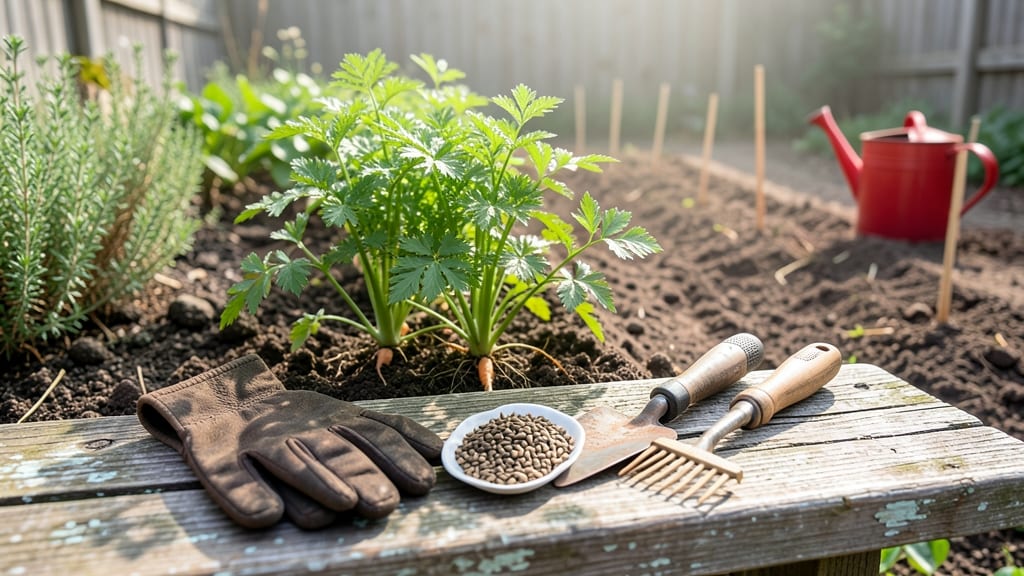
To plant carrots in Connecticut, aim for early spring (March–April) or late summer (July–August) when soil temperatures hit 50°F—this timing avoids frost and ensures sweet, crisp roots.
Connecticut’s unpredictable spring weather can turn your carrot harvest into a gamble—but timing your planting just right ensures sweet, crisp roots from seed to table.
Most gardeners in USDA Zone 6a miss the best window by planting too early, only to watch seedlings rot in cold, wet soil. The key is waiting for that 50°F soil temp, which usually aligns with mid-April for most of the state.
Below, I’ll break down the exact frost-free windows, soil prep secrets, and how to stretch your harvest from spring to fall—so you’re pulling homegrown 🥕 for months, not just weeks.
Best planting windows for carrots in Connecticut’s climate zones
Connecticut’s USDA Zones 5-7 create unique challenges for growing carrots, with frost dates varying dramatically between inland areas like Hartford and coastal regions near New Haven.
To maximize your harvest, I’ve broken down the ideal planting windows by zone, soil temperature requirements, and regional microclimates that can extend your growing season by 2-3 months.
Carrots thrive when soil temperatures reach 50-60°F, which typically occurs in early April for inland areas but may wait until late April near shorelines. This delay is critical—planting too early in cold soil causes seeds to rot, while waiting too long risks bolt-resistant varieties flowering before harvest.
For a continuous harvest, I recommend three planting windows: early spring, late summer, and fall. Each window targets different maturity timelines to avoid summer heat stress, which causes carrots to become woody or bitter. Let’s dive into the specifics for your exact location in Connecticut.
📌 Key Tip: Use row covers or cold frames to extend your spring planting window by 2-3 weeks in cooler zones like Zone 5.
Notice how coastal zones (Zone 7a/b) have earlier frost dates than inland areas, allowing for earlier spring plantings and extended fall harvests. This microclimate difference is why I always recommend checking your local frost dates—even neighboring towns can vary by 1-2 weeks.
For succession planting, I suggest sowing new seeds every 2-3 weeks after your initial planting. This staggered approach ensures a continuous harvest and prevents overcrowding, which leads to forked or stunted carrots. In my garden, this method extends my harvest from June to October.
If you’re growing short-day varieties like ‘Paris Market’, you can push your fall planting even later—up to mid-August in Zone 6a/b. These varieties mature faster (50-60 days) and tolerate cooler soil better than longer-season types.
🌱 Pro Tip: Test your soil temperature with a soil thermometer before planting. Carrot seeds won’t germinate well below 50°F, even if the air feels warm.
Finally, don’t overlook fall planting—this is where many gardeners miss out. By sowing in late July or early August, you’ll have crisp, sweet carrots ready by October, just in time for holiday meals.
Just be sure to use bolt-resistant varieties like ‘Nantes’ or ‘Chantenay’ to avoid flowering in the heat.
Soil preparation secrets for perfect carrot growth in CT
Perfect carrots start with the right soil—especially in Connecticut, where heavy clay or rocky ground can turn your dreams of crisp roots into frustrating forks. Carrots need loose, stone-free soil with a fine texture to grow straight and sweet.
Here’s how to prep your CT garden bed like a pro, even if you’re working with less-than-ideal native soil.
First, test your soil’s pH level—carrots thrive in a range of 6.0 to 7.0.
Connecticut’s clay-heavy soils often skew alkaline, so you may need to add sulfur or peat moss to lower the pH. Grab a soil test kit (or send a sample to UConn’s Soil Lab) to get precise recommendations for your specific plot.
⚠️ WARNING: Common CT Soil Pitfalls ⚠️
Don’t skip the stone removal step—even small pebbles can cause forked carrots, ruining your harvest. Use a fine mesh sieve or hand-pick stones before planting.
Next, enrich your soil with organic amendments like composted cow manure or well-rotted leaf mold. Work in 2-3 inches of compost into the top 6-8 inches of soil to create a loose, fertile growing medium.
For extra insurance against forking, mix in a 1/4-inch layer of sand (like horticultural-grade sharp sand) to further refine the texture.
After amending, create raised beds or deep furrows if your native soil is particularly dense. Carrots need at least 12 inches of depth to grow properly, so raised beds are ideal for CT’s heavy clay.
Fill them with a mix of 50% topsoil, 30% compost, and 20% sand for perfect growing conditions.
Finally, level the soil surface and lightly rake to create a smooth, fine seedbed. Press seeds just 1/4 inch deep—any deeper, and they won’t germinate.
Water gently with a fine mist to avoid disturbing the soil, and keep it consistently moist until germination (about 10-21 days, depending on variety).
With these soil prep secrets, you’ll grow straight, sweet carrots even in Connecticut’s challenging conditions. Happy digging! 🥕