
Plants
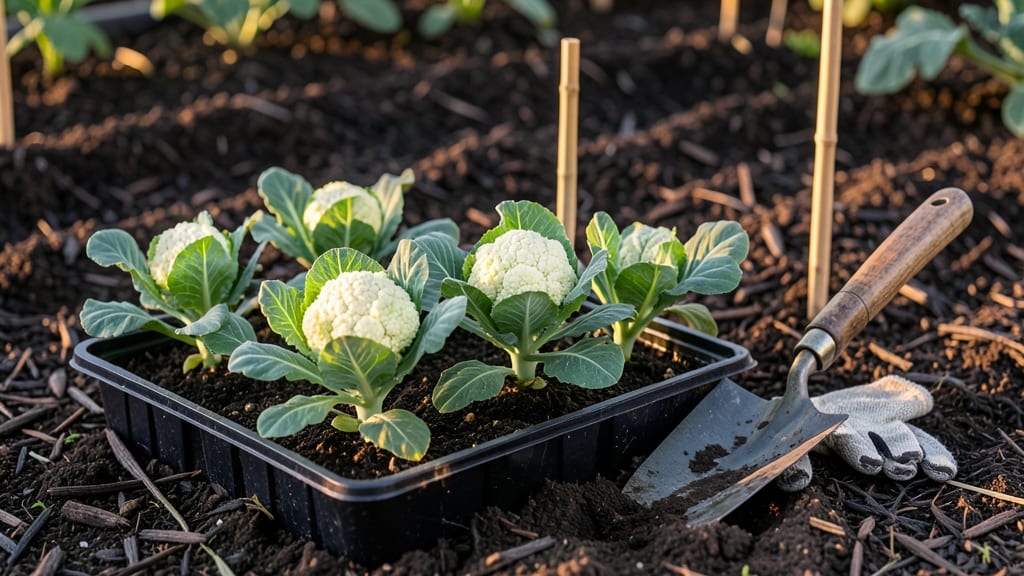
Planting cauliflower in Zone 7 at the right time means the difference between a smooth, creamy harvest and a bitter, bolted mess.
Cauliflower thrives in cool weather, but timing isn’t just about avoiding frost—it’s about mastering soil temperatures and seasonal shifts to grow heads that are firm, flavorful, and pest-free. Too early, and the cold stunts growth; too late, and the heat sends it running to seed.
In Zone 7, you’ve got two windows: early spring (March–April) or late summer (August–September). Each has its own tricks—like soil prep for spring or heat tolerance for fall plantings—to keep your 🥬 happy and productive.
Below, I’ll break down the exact frost-free deadlines, soil temp rules, and whether to start seeds indoors or go straight to the garden. Spoiler: fall plantings often outperform spring in this zone, but there’s a sweet spot for both.
Zone 7 cauliflower planting deadlines: frost dates & soil temperature rules
Cauliflower is a cool-season crop that despises heat, making Zone 7’s climate tricky to navigate. The key to success lies in timing plantings to avoid both frost and scorching summer temperatures.
Unlike some vegetables, cauliflower won’t tolerate soil temps above 80°F, which is why many gardeners in Zone 7 focus on fall plantings for the best results.
First, calculate your last frost date (typically around April 15 in Zone 7) and first frost date (around October 15). These dates create your planting window, but soil temperature is the real game-changer.
Cauliflower thrives in soil temps between 50–70°F, so spring plantings must happen early enough to avoid overheating, while fall plantings should start late enough to mature before frost.
| Planting Window | Soil Temp Range | Best Varieties | Days to Maturity |
|---|---|---|---|
| Early Spring (Feb–March) | 50–60°F | 'Snowball Y Improved', 'Purple of Sicily' | 70–85 days |
| Late Summer (Aug–Sept) | 60–70°F | 'Romanesco', 'Cheddar' | 60–75 days |
| Fall (Sept–Oct) | 55–65°F | 'Graffiti', 'Violetto' | 55–70 days |
For spring plantings, start seeds indoors 6–8 weeks before your last frost date (around early February) to transplant outdoors in March. This gives seedlings a head start before soil warms.
If direct sowing, wait until soil temps drop below 75°F in late March or early April to avoid heat stress. Transplants are often easier for beginners, as they establish faster in cooler soil.
Fall plantings are where Zone 7 gardeners often outperform spring efforts. Aim to sow seeds or transplant 10–12 weeks before the first frost (around early September). This timing ensures heads mature before cold sets in.
Use row covers or cold frames to extend the season if needed, but avoid planting too late—cauliflower won’t tolerate freezing temps.
Don’t overlook soil preparation, which is critical for cauliflower’s success. Amend your soil with compost or aged manure to ensure it’s rich in organic matter. Cauliflower prefers slightly acidic soil (pH 6.0–6.8), so test your soil and adjust with lime or sulfur if needed.
A well-draining, fertile bed prevents rot and bolting, two common issues in Zone 7’s humid climate.
If you’re experimenting with succession planting, try sowing a second crop in early July for a late-summer harvest. Choose fast-maturing varieties (like 'Early White') and provide afternoon shade with a lightweight shade cloth to protect plants from heat.
This method works best in cooler microclimates, like near water features or under trees.
Watch for bolting, where cauliflower sends up a flower stalk due to stress. This often happens when plants experience temperature swings or drought. To prevent bolting, keep soil consistently moist and mulch heavily to maintain even temperatures.
If you notice stems elongating, harvest immediately or remove the plant to avoid wasting energy.
Finally, remember that Zone 7’s humidity can encourage fungal diseases like clubroot or downy mildew. Space plants 18–24 inches apart for airflow and water at the base of plants (not overhead) to keep foliage dry. A 3-inch layer of mulch also helps suppress weeds and retain moisture without inviting pests.
Spring vs. fall planting: which works better in Zone 7?
Deciding between spring and fall planting for cauliflower in Zone 7 depends on your climate’s heat patterns and your patience for harvest timing. Both seasons offer advantages, but each comes with critical pitfalls that can ruin your crop if ignored.
Let’s break down the pros and cons so you can choose the strategy that aligns with your garden goals.
In Zone 7, spring planting typically starts in March or early April, giving you a harvest by late spring or early summer. However, the risk of heat stress looms large as temperatures rise, causing cauliflower to bolt prematurely or develop bitter, loose heads.
Fall planting, on the other hand, begins in August or September, allowing plants to mature as temperatures cool, often yielding sweeter, tighter heads.
Spring Planting
- Early harvest (May–June)
- Avoids late-season pests
- Longer daylight hours boost growth
- Risk of bolting in heat
- Soil may dry out faster
- Shorter growing season if planted too late
Fall Planting
- Cooler temps prevent bolting
- Tighter, sweeter heads
- Fewer pests in late season
- Requires 10–12 weeks to maturity
- Early frost can cut season short
- Slower early growth in heat
For spring planting, aim to sow seeds indoors 6–8 weeks before your last frost date (around March 1 in Zone 7) or transplant hardened-off seedlings in early April.
Choose early-maturing varieties like ‘Snowball Y Improved’ to avoid summer heat. If you miss this window, your cauliflower may struggle to form heads before temperatures climb above 75°F.
Fall planting, however, gives you a second chance for success. Start seeds indoors in early August or transplant seedlings in mid-August to ensure harvest by October or November.
This method often yields higher-quality heads because the cooler weather reduces stress. Just be sure to use shade cloth if daytime temps exceed 80°F to protect young plants.
One common mistake gardeners make in Zone 7 is planting too late in spring or too early in fall. Spring plantings after mid-April risk bolting, while fall plantings after September 1 may not mature before frost.
Always check your local frost dates and adjust your timeline accordingly. For example, if your first frost is October 15, plant fall cauliflower by August 1 to allow enough time for growth.
To extend your growing season, consider using row covers or cold frames in early spring or late fall. These tools can push your harvest window by 2–4 weeks, giving you more flexibility. Just remember: consistent moisture and rich soil are non-negotiable for cauliflower success, regardless of when you plant.