
Plants
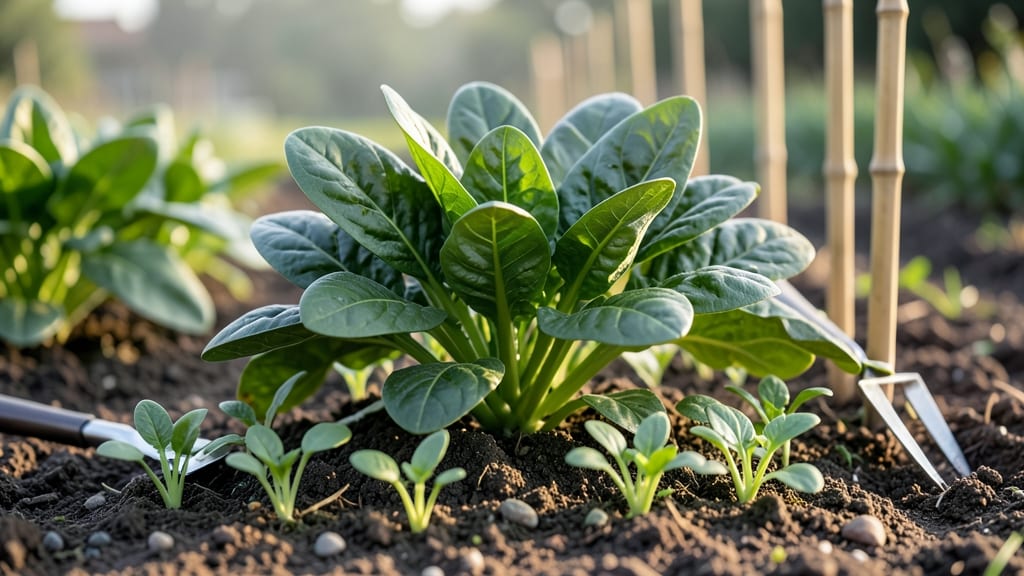
Planting fall spinach in Zone 7 between mid-August and early October ensures tender, frost-sweetened harvests before the first freeze.
Cold-hardy 🥬 spinach thrives in fall’s cooler weather—but plant too early or late, and you’ll either face bitter greens or bolting before harvest. Timing is everything for that perfect balance of sweet, tender leaves.
Most gardeners in Zone 7 miss the window by planting too soon, when soil temps still flirt with 70°F and trigger bolting. The key? Wait until soil cools to 65°F or below, then count back 6–8 weeks to your first frost date.
Below, I’ll walk you through exact dates by region, soil tricks to keep your spinach happy, and the best varieties to avoid bitter surprises in your salad bowl.
Optimal planting windows for fall spinach in Zone 7 (with exact dates)
Fall spinach in Zone 7 offers a sweet spot for tender harvests—if you nail the timing. The key lies in two planting phases: early fall (for mature plants before frost) and late fall (for overwintering).
Miss these windows, and you’ll either get bitter leaves or bolting plants. Let’s break down the exact dates and soil conditions that separate success from disappointment.
Zone 7 spans a wide range—from the North (e.g., Cincinnati, Ohio) to the South (e.g., Atlanta, Georgia)—so first-frost dates vary. Generally, the average first frost falls between October 15 and November 15, but microclimates can shift this by 2–3 weeks.
For spinach, you’ll want to plant 6–8 weeks before your first frost to ensure a harvest before hard freezes lock growth.
Soil temperature is your secret weapon. Spinach thrives when soil stays between 45°F and 65°F. Below 40°F, growth stalls; above 70°F, it bolts. Use a soil thermometer to confirm conditions before planting.
In North Zone 7, aim for late August to early September for early fall plantings, while South Zone 7 gardeners can push to mid-September.
Here’s the critical rule: Never plant spinach when daytime highs exceed 80°F. Heat stress triggers bolting (flowering) faster than you can say “sautéed greens.” If summer lingers, opt for shade cloth or delay until late August. A 4-week buffer after your last summer heatwave is your safety net.
🌱 Pro Tip: Check your local Almanac frost dates and subtract 6–8 weeks. For example, if your first frost is October 30, plant by September 10 for a mature harvest.
For late fall plantings (overwintering), aim for September 15–October 1—these baby leaves will survive light frosts and provide fresh greens in early winter.
| Planting Phase | Zone 7 North (e.g., Cincinnati) | Zone 7 South (e.g., Atlanta) | Soil Temp Threshold | First Frost Buffer |
|---|---|---|---|---|
| Early Fall (Mature Harvest) | Late August – Early September | Mid-August – Mid-September | 45°F–65°F | 6–8 weeks before frost |
| Late Fall (Overwintering) | September 15 – October 1 | September 20 – October 10 | 40°F–55°F (tolerates light frost) | 4–6 weeks before frost |
| Avoid Planting | June – July (heat bolting risk) | July – Early August (heat bolting risk) | Above 70°F | N/A |
🌡️ Note: Use a soil thermometer to verify temps before planting.
Let’s talk regional adjustments. In North Zone 7 (e.g., Cincinnati, Ohio), where nights get chilly faster, prioritize early September plantings for a harvest before October 15.
In South Zone 7 (e.g., Atlanta, Georgia), you’ve got more flexibility—mid-September works well, and late plantings can even survive light frosts.
If you’re planting for overwintering greens, choose cold-hardy varieties like ‘Bloomsdale Long Standing’ or ‘Winter Bloomsdale.’ These can handle 20°F–25°F temps under mulch.
For early fall, ‘Tyee’ or ‘Space’ are faster-maturing options. Spacing matters too: Sow seeds 1 inch apart in rows 12 inches apart to prevent crowding and disease.
One common mistake? Overestimating your frost date. Always err on the side of earlier plantings—you can always succession plant if you have extra space. And if your fall turns unseasonably warm (hello, Indian summer), monitor soil temps closely. A sudden heatwave can send spinach bolting in days.
🌿 Final Checklist: Test soil temps, mark your frost date, and plant when daytime highs dip below 80°F. With these windows, you’ll enjoy sweet, tender spinach from October through December—no bitter surprises here!
Soil temperature secrets to prevent bolt-free spinach growth
Spinach bolts—sends up flower stalks—when soil temperatures rise above 65°F or drop below 45°F. In Zone 7, maintaining that sweet spot between fall warmth and winter chill is key to tender, non-bitter harvests.
I’ve learned the hard way that even a 5°F swing can turn your spinach into a bitter, flowering disappointment.
Your first tool? A soil thermometer. Stick it 2 inches deep (where roots grow) to check temps before planting. Morning readings are most accurate—60°F–65°F is ideal for germination, while 50°F–55°F keeps mature plants happy. I always test for 3 days before committing to a planting date.
⚠️ WARNING: Common Mistake Alert! ⚠️
Mulching is your secret weapon. Straw mulch (2–3 inches thick) insulates soil, keeping temps stable and suppressing weeds. Black plastic, on the other hand, warms soil—great for early fall plantings but risky if temps spike unexpectedly.
I use straw for most of my beds, but I’ve laid black plastic in late August to jumpstart germination before switching to straw.
Companion planting works wonders. Radishes mature quickly and shade soil, cooling roots. I interplant them with spinach—by the time radishes bolt (in 30 days), my spinach is established and less prone to temperature swings.
Other allies? Lettuce and kale, which share similar growing conditions and act as living mulch.
Watch for unexpected warmth. Zone 7’s Indian summer (September–October) can push soil temps into the 70s°F. If your spinach starts looking leggy or bitter, shade cloth (30–50%) can drop temps by 10°F+. I’ve saved multiple harvests by tossing a shade cloth over my beds during heatwaves.
Finally, harvest regularly. Cut outer leaves when they reach 4–6 inches—this prevents overcrowding and reduces stress on the plant. My goal? 3–4 harvests before frost. With the right soil temps and care, you’ll enjoy spinach straight from your garden until hard frost—no bolting in sight! 🥬