
Plants
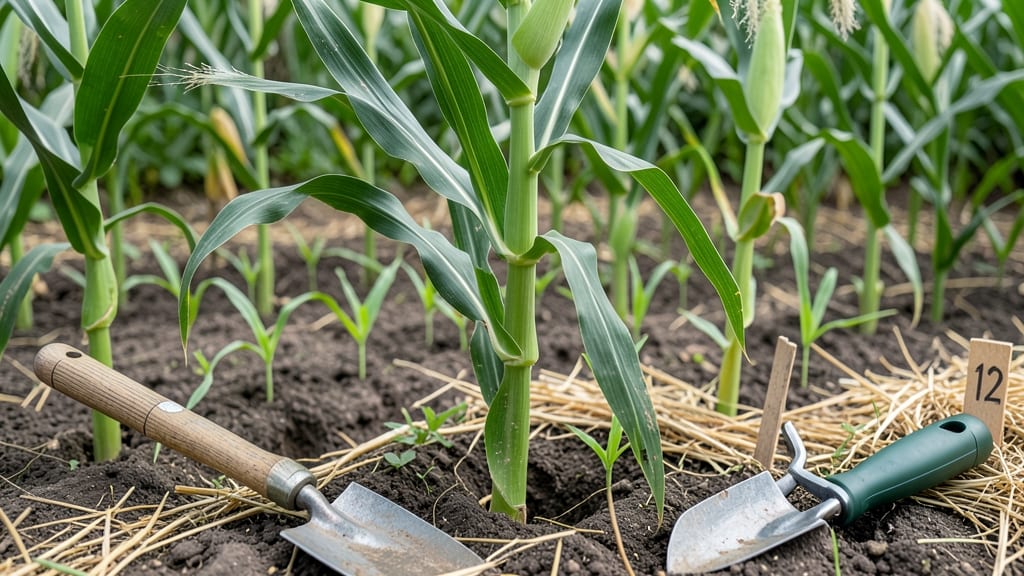
Planting corn in Western Washington between mid-April and early June gives it the best shot at thriving in your cool, damp climate — but timing is everything.
Western Washington’s unpredictable spring weather can make corn planting a gamble—but timing it right ensures sweet, sturdy ears instead of stunted stalks.
Most gardeners in zones 8a-9a wait until soil temperatures hit at least 50°F and nighttime lows stay above freezing to avoid frost damage to tender seedlings.
In this guide, I’ll break down the exact window for your microclimate, share tricks for extending the season, and recommend the fastest-maturing varieties that actually work in our short summers.
Optimal corn planting dates in Western Washington’s cool climate zones
Western Washington’s USDA Zones 7-9 present unique challenges for growing corn, thanks to cool, damp springs and short growing seasons. Unlike warmer climates, corn here demands precise timing to avoid late frosts and ensure full maturity before fall.
The key is planting when soil temperatures hit 50°F+ and nighttime lows stay above 50°F, typically between mid-April and early June.
In my experience, Zone 9a (e.g., Seattle, Olympia) can start slightly earlier—around mid-April—while Zone 7b (e.g., Mount Vernon) should wait until late April to early May. This delay accounts for the 10-14 day frost risk lingering in cooler microclimates.
Using a soil thermometer is non-negotiable; corn seeds won’t germinate reliably below 50°F, even if the air feels warm.
Here’s the golden rule: Plant corn when your last frost date is at least 60 days in the past and you’ve got 120+ frost-free days ahead. Western WA’s 150-day growing season is tight, so early-maturing varieties (like ‘Ambrosia’ or ‘Bodacious’) are your best bet for reliable harvests.
🌱
For Zone 7b gardeners, I recommend planting ‘Golden Bantam’ (75 days to maturity) or ‘Country Gentleman’ (85 days) to hedge against early fall frosts. These varieties mature faster than standard hybrids, giving you a 2-3 week buffer if summer cools unexpectedly.
In Zone 9a, you can push the envelope with ‘Peaches & Cream’ (110 days) or ‘Silver Queen’ (105 days), but monitor weather forecasts closely.
One trick I’ve used for Zone 8a/8b is to plant two successive batches: one in early April (under row covers) and another in mid-May. This staggered approach spreads out harvests and reduces risk if one planting fails due to unpredictable May rains or cool snaps.
Just ensure the second batch has enough time to mature before October’s first frost.
Avoid planting corn before April 1st unless you’re using a greenhouse or cold frame. Soil in Western WA stays too cold too long, leading to poor germination or damping-off disease.
I’ve seen seeds planted in March rot in the ground even if the air feels warm—a classic case of soil vs. air temperature mismatch.
Pro tip: Use a planting calendar like the Washington State University Extension’s frost date maps to pinpoint your exact last frost date. Subtract 120 days from that date to find your final planting deadline.
For example, if your last frost is October 15th, your deadline is June 15th. Planting after this risks immature ears before winter sets in.
Finally, don’t overlook microclimates. A south-facing slope in Zone 7b might warm up 1-2 weeks earlier than a north-facing valley. I once grew ‘Ambrosia’ corn successfully in Zone 7b’s Mount Vernon by planting on a sunny hillside—something that failed in a shaded backyard just
How to adjust planting time for Western WA’s unpredictable weather patterns
Western Washington’s cool summers and late spring frosts can turn corn planting into a guessing game. But with the right adjustments, you can still grow sweet, productive ears even in Zone 8-9.
The key lies in flexible timing, season extension tools, and early-maturing varieties that thrive in shorter growing seasons.
Unlike warmer climates, corn in Western WA needs soil temperatures above 50°F and consistent warmth to germinate reliably. If you plant too early, seeds rot in cold soil. Too late, and your harvest suffers from short daylight hours before fall frost.
The solution? Monitor soil temps, use row covers, and choose fast-maturing varieties like 'Early Sunglow' (70 days) or 'Golden Bantam' (75 days).
⚠️ callout-warning ⚠️
Western WA’s average last frost is April 15, but unpredictable cold snaps can delay planting by weeks. If your soil temp drops below 50°F after sowing, seeds won’t germinate—and young seedlings won’t survive even a light frost. Use a soil thermometer ($10 at garden centers) to confirm readiness before planting. For extra protection, opt for black plastic mulch to warm soil faster.
One of my favorite tricks for extending the growing season is using floating row covers (like Reemay fabric). These lightweight covers trap heat and protect tender seedlings from late frosts while still allowing sunlight and water. I’ve used them to push my planting window 2-3 weeks later than traditional schedules—critical in years with cool, wet springs. Just remember to remove covers once plants are 6 inches tall to prevent overheating.
For reliable harvests, prioritize early-maturing varieties with 60-80 day maturity. 'Bodacious' (75 days) and 'Silver Queen' (80 days) are my top picks for Western WA—they produce plump ears before summer cools.
If you’re eager for a second planting, try succession planting every 2 weeks in May-June. Just ensure your last planting gives ears 90+ frost-free days to mature.
Another game-changer? Warm your soil before planting. Spread black plastic mulch over garden beds in early April to raise soil temps by 5-10°F. This lets you plant 2 weeks earlier than usual.
I’ve seen germination rates jump from 60% to 95% with this simple trick. Pair it with a south-facing location for maximum sun exposure.
Finally, don’t overlook companion planting to boost resilience. Corn thrives near beans and squash (the "Three Sisters" method), which improve soil nitrogen and deter pests. Avoid planting near tomatoes or cabbage, which compete for nutrients.
With these adjustments, you’ll turn Western WA’s unpredictable weather into an advantage—harvesting sweet corn even in cooler summers. 🌽