
Plants
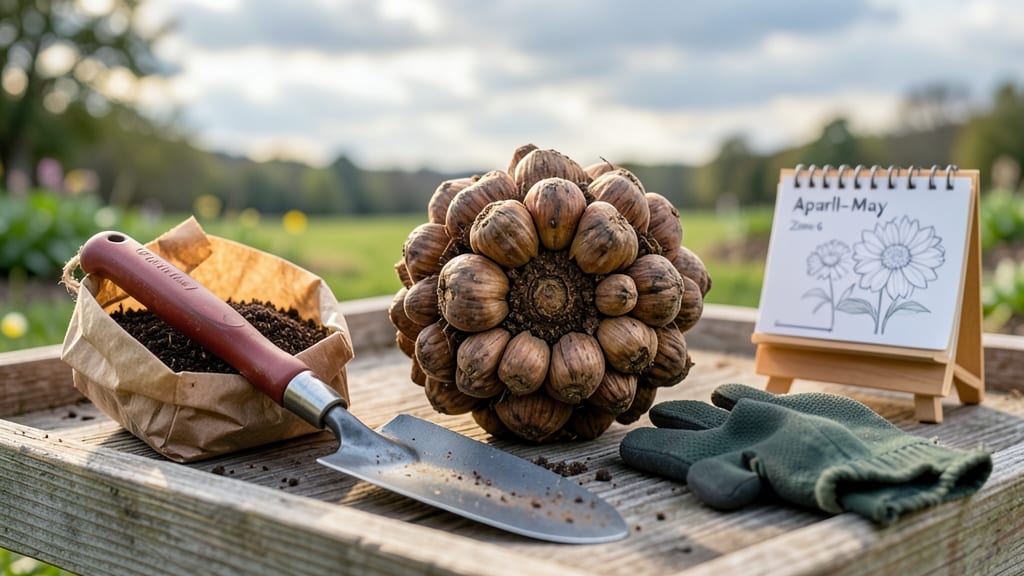
Planting dahlias in Zone 6 after the last frost—when soil hits 60°F—is the fastest way to jumpstart those showstopping blooms 🌸 you’ve been dreaming of.
But here’s the catch: rush it, and your tubers rot in cold soil. Wait too long, and you miss the 3-week window where dahlias outpace other perennials. I’ve seen both mistakes—wilted dreams in May and stunted growth in June.
Zone 6’s spring is tricky, with frost dates shifting from mid-May in the north to early June in the south. The key? Start tubers indoors 6–8 weeks before your last frost, then transplant when soil warms and night temps stay above 50°F.
Below, I’ll walk you through the exact soil temp tricks, regional tweaks, and how to spot when your dahlias are truly ready—so you skip the guesswork and get blooms by July.
Optimal soil temperature for planting dahlias in Zone 6
Dahlias are heat-loving perennials that need warm soil to thrive, but planting them too early in Zone 6 can stunt growth or invite rot. The sweet spot for soil temperature is between 50°F and 65°F, where tubers wake from dormancy without stress.
Below 50°F, roots stay dormant, while above 65°F, they may overheat and rot—especially in humid Zone 6 summers.
Your last frost date in Zone 6 typically falls around April 15, but soil warms weeks later. In northern Zone 6 (6a), soil may linger near 50°F until mid-May, while southern areas (6b) can hit 60°F by early May.
This delay explains why many gardeners rush planting and end up with leggy, weak stems.
Testing soil temperature is easier than you think. Use a soil thermometer (just $10 at garden centers) to check 2–3 inches deep, where dahlias’ roots will grow. Probe in the morning after sunrise for the most accurate reading—this mimics the consistent warmth dahlias crave.
Here’s the critical window for Zone 6: Aim to plant when soil hits 58°F–62°F. This range balances root activation with microbe activity in the soil, which dahlias depend on for nutrients. If your soil is below 55°F, pre-sprout tubers indoors under grow lights to jumpstart growth.
| Soil Temp Range (°F) | Zone 6 Planting Window | Risk if Ignored | Solution |
|---|---|---|---|
| Below 50°F | Pre-sprout tubers indoors | Tubers rot or stay dormant | Use heat mat (70°F) for 4–6 weeks |
| 50°F–57°F | Wait 1–2 weeks | Slow root growth | Mulch with straw to warm soil faster |
| 58°F–65°F | Ideal planting time | None (optimal conditions) | Plant after last frost |
| Above 65°F | Plant in late afternoon | Tuber rot or wilting | Shade cloth for first 3 days |
Microclimates in Zone 6 can shift planting dates by 2–3 weeks. For example, urban areas with pavement retain heat longer, while wooded lots stay cooler.
If your garden sits in a low spot, soil may stay cold until June—use a black plastic mulch 2 weeks before planting to accelerate warming.
Waiting too long to plant dahlias isn’t ideal either. Tubers planted after June 1 in Zone 6 often produce smaller blooms and weaker stems because they’re still recovering from dormancy. The 3-week window between mid-May and early June is your best bet for showstopping dahlias.
Pro tip: If your soil is sandy or rocky, it warms faster than clay soil. Amend with compost or coconut coir to improve moisture retention and temperature stability. Dahlias in well-amended soil can tolerate a 5°F wider temperature range without stress.
For late-spring gardeners, consider container growing. Pots warm up 5–7°F faster than in-ground soil, giving you a 2-week extension for planting. Just ensure containers have drainage holes to prevent rot in hot weather.
Remember, dahlias are perennials, but their first-year growth sets the stage for future blooms. Planting at the right soil temperature ensures your tubers establish strong roots before summer heat arrives—leading to bigger, healthier plants and more vibrant flowers all season.
Zone 6 planting timeline: when to start tubers indoors vs. direct soil
Timing is everything when planting dahlias in Zone 6. While other perennials can handle a little flexibility, dahlias demand precision—especially in our 165-day frost-free window.
The difference between a 60-day bloom and a 90-day showstopper often comes down to whether you start tubers indoors or plant directly in warmed soil.
For most of Zone 6, the last frost date falls around April 15, but soil temperatures lag behind air temperatures. This means your 6-8 week indoor sprouting window should begin in late February to early March.
If you miss this, don’t panic—direct planting after soil hits 60°F (usually mid-May) still works, but you’ll sacrifice early blooms.
Here’s the Zone 6 secret weapon: The 3-week window between June 15 and July 1 is when dahlias truly shine. This is their growth explosion phase, where proper spacing and balanced fertilizer (5-10-10) deliver 3x more blooms than late plantings.
If your spring was late, use row covers to extend this window by 10-14 days.
For late springs (like 2023’s delayed frost), shift your timeline 2 weeks later. Plant tubers indoors in early March and direct-sow by June 1. Use heat mats to jumpstart soil warming—this can shave 10 days off your growing season. The key is soil temperature, not air temperature.
Pro tip: Mark your calendar for July 4th. By then, your dahlias should be 2 feet tall with multiple side shoots. If they’re not, they’ve missed the critical bloom window—but don’t despair. Dwarf varieties like ‘Bishop’ or ‘Karma Choc’ still deliver compact blooms even when planted late.