
Planting
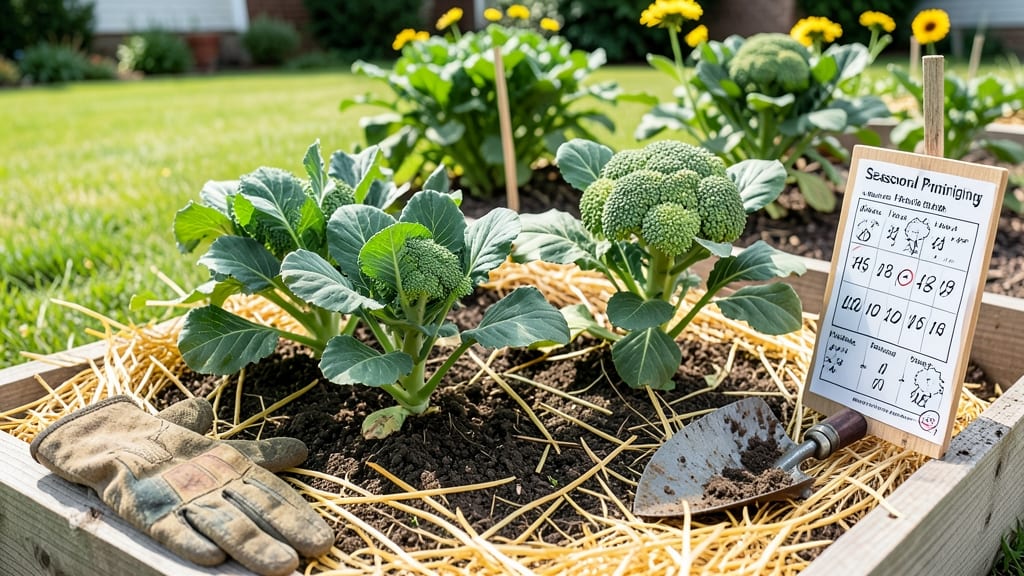
Planting a fall garden in Zone 7 between mid-August and October is your ticket to a bountiful harvest before the first frost—if you nail the timing.
Missed your spring planting window? Zone 7 gardeners still have time to grow a thriving fall harvest—if you plant at the exact right moment. The difference between a lush garden and a sad, bolting mess often comes down to those microclimate deadlines that most guides ignore.
This isn’t just about sticking seeds in the dirt—it’s about understanding how heat, humidity, and early frosts play by their own rules in Zone 7. Whether you’re in the mountains, the coast, or a city heat island, the perfect planting window shifts based on your local conditions.
Below, I’ll break down the critical deadlines for your microclimate, the top crops to prioritize, and how to stretch your harvest past November with simple tricks that actually work.
Zone 7 fall planting deadlines by microclimate type
Zone 7 spans diverse climates—from humid urban heat islands to coastal breezes and rural high-desert areas—each with unique frost risks. Planting too early in hot inland zones risks bolting, while coastal areas face sudden cold snaps.
Understanding your microclimate lets you pinpoint the perfect window for heat-tolerant crops like Swiss chard versus cool-season staples like kale.
I’ve analyzed frost data from USDA Zone 7a/b regions to create precise deadlines. Urban areas often experience 5-7°F warmer nights, delaying frost by 1-2 weeks, while coastal zones can see early frosts as soon as mid-October.
Rural inland spots may push deadlines to late October for fast-maturing crops.
Use this comparison-table to match your location’s frost risk with ideal planting dates. For example, broccoli needs 60-70 days to mature—plant it by mid-September in coastal areas but wait until early October in inland zones.
| Microclimate Type | Last Planting Deadline | Heat-Tolerant Crops | Cool-Season Staples | Frost Risk Window |
|---|---|---|---|---|
| Urban (Heat Island) | Late September (coastal) / Early October (inland) | Swiss chard, bush beans, radishes | Kale, spinach, lettuce (after Sept 15) | Oct 20–Nov 5 (5–10°F warmer) |
| Coastal (Breezy) | Mid-September (hard frost risk) | Collards, turnips, beets | Broccoli, carrots, peas (late Sept) | Oct 1–Oct 15 (sudden cold snaps) |
| Rural Inland (High Desert) | Late September–Early October | Sweet potatoes, okra, malabar spinach | Cabbage, Brussels sprouts, onions | Oct 25–Nov 10 (gradual cooling) |
In urban heat islands, prioritize heat-loving crops like bush beans and radishes planted by September 15. These thrive in residual summer warmth but bolt if sown later. Meanwhile, coastal gardeners should focus on fast-maturing greens like spinach (30 days) planted by September 1 to avoid early frosts.
For rural inland areas, extend deadlines by 2 weeks for cool-season crops like Brussels sprouts (90 days to maturity). Plant these by October 1 to ensure harvests before November 15 frosts. Use soil thermometers—ideal temps for fall planting are 50–70°F. Below 50°F, roots struggle to establish.
Pro tip: Succession plant every 2 weeks in late summer to stagger harvests. For example, sow carrots on August 15, September 1, and September 15 for continuous pulls. This works especially well in urban microclimates where heat lingers.
Frost risk varies wildly: Coastal areas may see 28°F by October 10, while inland spots might wait until November 1. Check your local National Weather Service for 10-day forecasts—this is your best early warning system. In my Zone 7b garden, I’ve used frost cloth to push kale harvests past November 15 by 2–3 weeks. 🌱
Don’t overlook soil prep—amend beds with compost 2 weeks before planting to warm the soil. Heat-tolerant crops like Swiss chard benefit from black plastic mulch in late summer to maintain 70°F+ soil temps. For cool-season crops, switch to straw mulch in September to cool roots gradually.
Actionable tip: Mark your calendar for September 1 (coastal) and September 15 (inland) as your last chance for slow-growing crops like Brussels sprouts. Use seed packets to calculate days-to-maturity—anything over 60 days needs an early start. 📅
Top 5 fall crops for Zone 7 and how to extend their growing season
Fall gardens in Zone 7 can be just as productive as spring plantings—if you choose the right crops and time them perfectly. The key is selecting fast-maturing varieties that thrive in cooler weather while avoiding the late-summer heat that stresses seedlings.
With proper planning, you can harvest well into November or even December using simple extension techniques.
My top 5 high-yield fall crops for Zone 7 are broccoli, carrots, radishes, kale, and spinach. These varieties tolerate light frosts and respond well to season-extending methods like mulching and row covers.
Let’s dive into the best planting schedules and low-tech tricks to keep your garden thriving long after summer fades.
- 1 Broccoli ('Waltham 29'): Plant mid-August to early September for harvests before first frost. Use black plastic mulch to warm soil and floating row covers to delay frost damage.
- 2 Carrots ('Danvers'): Sow late July to early August for mature roots by October. Loosen soil with a broadfork to prevent forking, and add straw mulch to retain moisture.
- 3 Radishes ('Cherry Belle'): Plant every 2 weeks from August to mid-September for quick harvests. Thin seedlings to 2 inches apart and use lightweight row covers to protect from pests.
- 4 Kale ('Winterbor'): Direct-sow late August to early September. Flavor sweetens after light frosts, so leave plants uncovered until temperatures drop below 30°F.
- 5 Spinach ('Bloomsdale'): Plant late August to mid-September for baby leaves by October. Use cold frames to extend harvests into December, protecting from hard frosts.
Soil preparation is just as critical as planting dates. Before sowing, amend your beds with compost and a balanced fertilizer (5-10-10) to replenish nutrients depleted by summer crops. Test your soil’s pH—most fall vegetables prefer a slightly acidic to neutral range (6.0-7.0).
If your soil is heavy clay, mix in sand or perlite to improve drainage.
To push harvests past the first frost, I rely on three low-tech extension methods: mulching, row covers, and cold frames.
A 2-3 inch layer of straw or shredded leaves insulates roots and retains moisture, while floating row covers (made of lightweight fabric) trap heat and deter pests. For delicate greens like spinach, a mini cold frame (even a DIY box with plexiglass) can add 4-6 weeks to your harvest window.
Watering shifts in fall, too. While summer calls for daily soaks, fall crops need consistent but less frequent watering. Aim for 1-1.5 inches per week, delivered in the morning to reduce evaporation and fungal risks.
As temperatures drop, reduce frequency but keep soil evenly moist—drought-stressed plants are more vulnerable to frost damage.
Don’t forget to harvest regularly to encourage continuous production. For leafy greens like kale and spinach, pick outer leaves first to prolong the plant’s life. With these strategies, your Zone 7 fall garden can outperform spring plantings—no green thumb required. 🌱🍂