
Plants
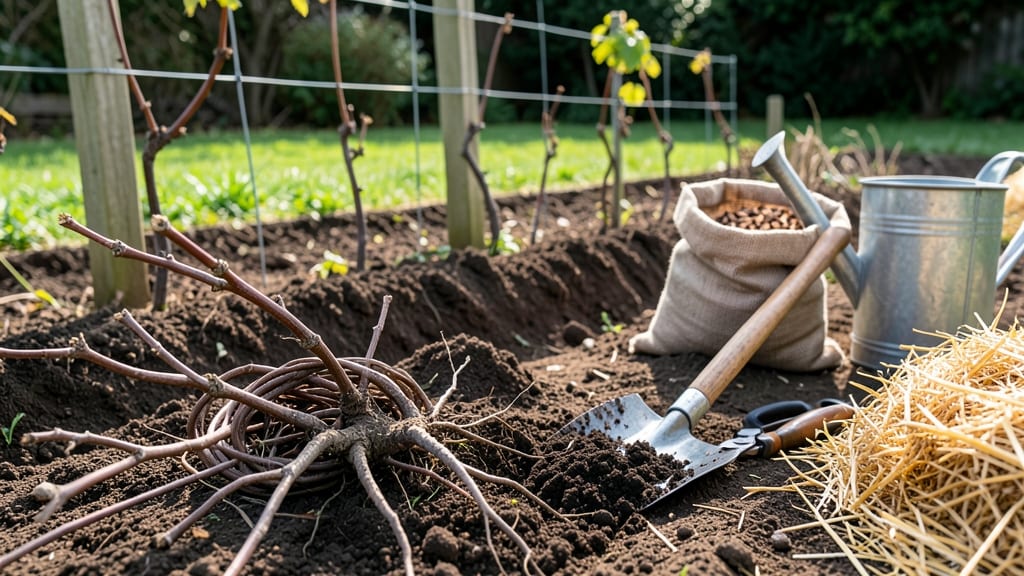
Planting grapes in Michigan requires timing them just right—April to May for bare-root vines or May to June for container-grown ones, when soil warms but frost risks fade.
Here’s the catch: Michigan’s 5a-6b zones demand chill-hour precision. Plant too early, and your 🍇 vines may wake from dormancy only to face late frosts. Too late, and they won’t harden off before winter. I’ve seen both mistakes ruin a season’s work.
This guide breaks down chill-hour needs by variety—Concord vs. Marquette—so you pick the right timing for your region. We’ll also cover soil prep, spacing, and how to protect young vines from Michigan’s infamous October freezes.
By the end, you’ll know exactly when to plant for a thriving vineyard, whether you’re growing table grapes, wine varieties, or cold-hardy hybrids. No guesswork—just data-driven success.
Michigan grapes planting timeline: chill-hours and hardiness zones explained
Michigan's USDA hardiness zones 4-6 create unique challenges for grape growers, where chill-hours (0-1,000+ hours below 45°F) determine which varieties thrive. Unlike warmer climates, Michigan's short growing season (160 frost-free days) demands precise planting timing to ensure vines establish before winter dormancy.
Understanding these factors helps you choose between early, mid, or late-season varieties like Concord (600-800 chill-hours) or Marquette (800-1,000 chill-hours).
Most Michigan gardeners plant grapes in early spring (April-May) when soil temperatures reach 50°F, but container-grown vines can go in slightly later. Fall planting is risky due to early frost threats, though some cold-hardy varieties like Frontenac tolerate late-season planting better.
The key is matching your chill-hour needs to Michigan's climate patterns—northern regions (Zone 4) need higher-chill varieties, while southern Michigan (Zone 6) can handle lower-chill grapes.
Chill-hours measure winter dormancy requirements, and Michigan's variable winters (from -20°F in the UP to near-freezing in Detroit) make this critical. For example, Niagara grapes (500-700 chill-hours) struggle in northern Michigan but excel in southern regions. Meanwhile, Marquette (800-1,000 chill-hours) thrives statewide. Always check your last frost date (mid-April in most areas) and plant 4-6 weeks before buds break to avoid frost damage.
For bare-root grapes, plant as soon as soil is workable in early spring—this gives roots time to establish before summer heat. Dig a hole twice as wide as the root ball but only as deep as the roots to prevent burying the graft union.
In southern Michigan (Zone 6), you can push planting to late May for container-grown vines, but northern regions should stick to April timing to avoid frost damage during dormancy.
Michigan's variable frost dates (first frost can arrive as early as September in the UP) mean you must time planting to allow 60-90 days of growth before winter. Early-season varieties like Concord need 120-150 days to mature, while cold-hardy hybrids like Marquette can handle shorter seasons.
Always monitor your local microclimate—urban areas may stay warmer longer than rural spots, extending your planting window by 1-2 weeks.
One common mistake is planting too late in spring, which stresses vines before dormancy. If you miss the April-May window, consider fall planting in Zone 5-6 (after October 1) for cold-hardy varieties, but protect young vines with mulch (6-8 inches) and burlap wraps during winter.
Always choose disease-resistant rootstock like Riparia or Rupestris to combat Michigan's humid summers and winter dieback.
Soil preparation is just as critical as timing. Michigan's clay-heavy soils in many regions drain poorly, so amend with compost and sand to improve aeration. Test your soil's pH (6.0-6.5 ideal) and add lime if needed.
Plant vines on a slight slope to prevent waterlogging, which causes root rot—a major issue in Michigan's wet springs. After planting, water deeply once a week (2-3 gallons per vine) and mulch with straw or wood chips to retain moisture.
Remember, dormancy periods are crucial—grapes need 120-150 chill-hours to break dormancy properly. If your variety doesn't get enough winter cold, it may bloom poorly or produce small, flavorless fruit. For example, Valvin Muscat (40
Best grapes for Michigan’s climate: varieties ranked by planting window
Michigan’s short growing season and cold winters demand cold-hardy grape varieties with precise planting timing. Most Michigan gardeners opt for hybrid grapes like Frontenac or Marquette, which thrive in USDA Zones 4-6 and require 200-800 chill hours to set fruit properly.
Unlike traditional European grapes, these varieties are bred to handle Michigan’s late frosts and early autumn chills.
Timing your planting window is critical—bare-root grapes should go in early spring (April-May), while container-grown vines can wait until late May-June.
Fall planting is risky in Michigan due to early frost risks, but some gardeners successfully plant dormant bare-root vines in October if the ground isn’t frozen. Let’s break down the best varieties by their ideal planting window and chill-hour needs.
For spring planting (April-May), prioritize Concord grapes, a Michigan staple with 600-800 chill hours.
These vines burst into growth as soon as soil warms, making early planting essential. Niagara grapes, another classic, also thrive in this window but require well-drained soil to prevent root rot during Michigan’s spring rains.
Both varieties need full sun (6+ hours) and a trellis system to support their vigorous growth.
If you prefer late spring planting (May-June), opt for hybrid grapes like Frontenac or Marquette, which need fewer chill hours (200-400). These varieties are disease-resistant and perfect for Michigan’s humid summers.
Plant container-grown vines after the last frost date (usually mid-May in southern Michigan, late May in the north) to avoid frost damage to emerging buds. Mulch heavily around the base to retain moisture during Michigan’s dry spells.
Fall planting in Michigan is high-risk but possible for dormant bare-root vines like Valvin Muscat, which tolerates USDA Zone 4 winters. Plant in October only if the ground isn’t frozen and cover the base with 6+ inches of mulch to insulate roots.
Avoid fall planting for tender varieties like Catawba, which lack the cold hardiness for Michigan’s winters. Always check the last frost date for your specific Michigan county—northern regions (e.g., Traverse City) freeze earlier than southern areas (e.g., Detroit).
Pro tip: Pair your grape variety with its ideal trellis type. Concord grapes need a strong arbor to support their weight, while Frontenac grapes thrive on a fan-trained trellis to improve airflow and reduce disease pressure.
In Michigan’s humid climate, airflow is key to preventing powdery mildew and black rot. After planting, monitor vines closely for aphids and Japanese beetles, common pests in Michigan’s summer gardens.