
Plants
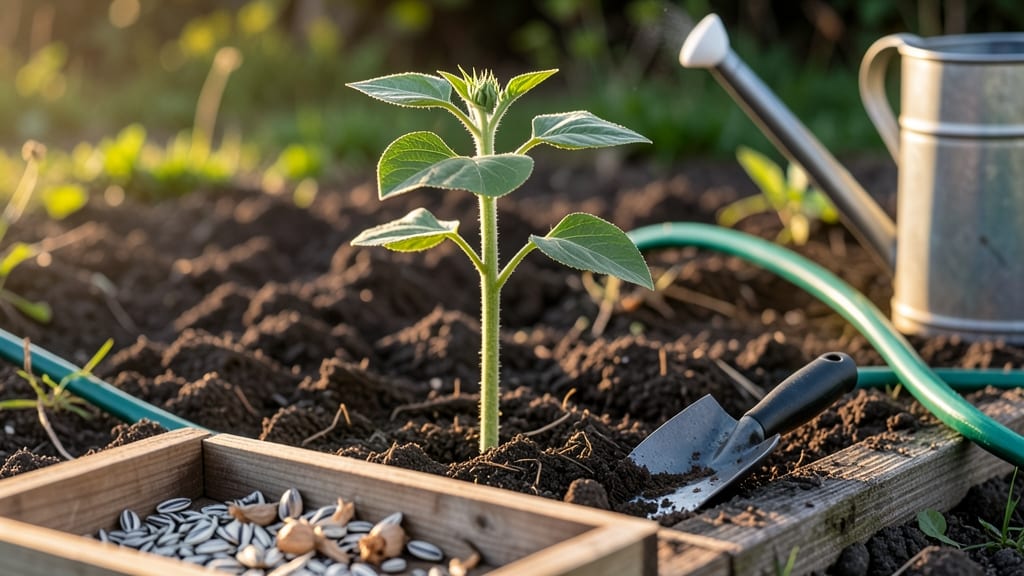
Planting sunflower seeds in California at the right time means the difference between 16-foot giants and sad, stunted stalks 🌻 — and the perfect window depends on whether you’re coastal, inland, or somewhere in between.
Sunflowers aren’t just stunning additions to your garden—they thrive in California’s diverse climates, but planting them at the wrong time can mean wilting dreams instead of towering blooms. Timing is everything, and California’s microclimates demand precision.
Inland gardeners should wait until mid-March to early April when frost risk fades, while coastal areas can start as early as February — and even year-round in mild microclimates. The key is soil warmth, not just calendar dates.
Below, I break down the exact months for your region, how to prep soil for sunflower success, and the 3 critical mistakes that kill sunflowers before they bloom.
Best sunflower planting months in California by region
California’s diverse climates mean sunflowers can thrive year-round in some areas while needing careful timing in others. The key is understanding your local frost dates and heat tolerance. Coastal regions enjoy mild winters, while inland valleys face scorching summers—both demand different strategies for optimal sunflower growth.
For Northern California (USDA zones 7-9), frost risk lingers until March 15 in valleys, but coastal areas like San Francisco rarely see frost. Inland areas like Sacramento need to wait until after last frost—typically April 1—to plant sunflowers for best results.
Central Valley gardeners face intense summer heat, making early spring and late summer the sweet spots. Plant February through April for spring blooms or August through September to avoid wilting under 100°F+ temperatures.
Southern California’s mild winters allow planting almost year-round, but spring (March-May) and fall (September-November) yield the most vibrant blooms. Coastal areas like Los Angeles can even plant in January with minimal frost risk.
| Region | Best Planting Months | Frost Risk | Heat Tolerance | Soil Temp |
|---|---|---|---|---|
| Northern CA (Coastal) | Jan-Apr, Sep-Nov | Low (rare frost) | Moderate (cooler summers) | 50°F+ |
| Northern CA (Inland) | Apr-May, Aug-Sep | High (frost until March) | Low (hot summers) | 60°F+ |
| Central Valley | Feb-Apr, Aug-Sep | Moderate (frost until March) | Very High (100°F+) | 65°F+ |
| Southern CA (Coastal) | Jan-Nov (year-round) | None (mild winters) | Moderate (cooler summers) | 55°F+ |
| Southern CA (Desert) | Sep-Nov, Feb-Mar | None | Extreme (110°F+) | 70°F+ |
In Northern California’s inland valleys, wait until soil reaches 60°F—test with a soil thermometer—to avoid stunted growth. Coastal areas can start as early as January, but March-April often yields healthier plants due to warmer soil.
Central Valley gardeners should prioritize early spring planting (February-March) to beat the heat.
How to adjust planting time for sunflower varieties
Not all sunflowers grow at the same pace, and their planting windows vary dramatically based on height potential. Giant varieties need more time to mature, while dwarf sunflowers bolt quickly. Understanding these differences lets you time your planting for maximum bloom success in California’s climate.
California’s microclimates mean coastal areas can plant year-round, while inland valleys must wait until frost risk passes. For dwarf varieties, you can start as early as February in mild zones, but giant sunflowers need warmer soil—aim for April or May in frost-prone inland regions.
Growth cycles are the key to timing. Dwarf sunflowers mature in 60-70 days, while giant varieties take 100-120 days. Planting too early in cooler zones risks stunted growth, while late planting may cut bloom time short before first frost.
| Variety Type | Height Range | Days to Mature | Best Planting Window (CA) | Key Consideration |
|---|---|---|---|---|
| Dwarf | 1-3 ft | 60-70 days | Feb-Apr (coastal), Mar-May (inland) | Fast-growing; ideal for containers |
| Mid-Size | 3-6 ft | 70-90 days | Mar-May (coastal), Apr-Jun (inland) | Balanced growth; great for borders |
| Giant | 6-16 ft | 100-120 days | Apr-Jun (coastal), May-Jul (inland) | Needs long season; stake for support |
For coastal California, where frost is rare, you can plant dwarf varieties as early as February and still enjoy blooms by summer. In inland valleys, wait until soil reaches 55°F—usually April or May—to avoid stunted growth in giant sunflowers.
Adjust your planting schedule based on your sunflower’s mature height. Giant varieties need 100-120 days to reach their full potential, so planting too late risks cutting their growth short. Conversely, dwarf varieties can handle earlier plantings and even fall sowings in mild coastal zones.
Pro tip: Use successive planting for extended blooms. Start with dwarf varieties in early spring, then add mid-size and giant varieties 4-6 weeks later. This ensures continuous color from summer through fall.