
Flowers
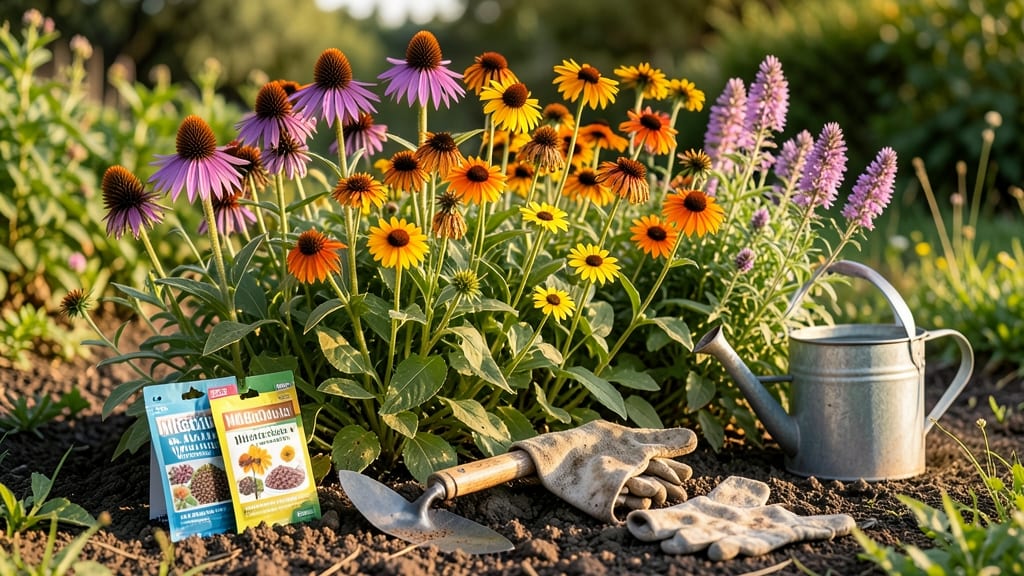
Plant wildflowers in Missouri between early spring and fall to catch the best bloom potential—but timing depends on whether you’re sowing annuals or perennials.
Missouri’s wildflower season can transform your landscape into a vibrant, low-maintenance paradise—but timing is everything. Plant too early, and frost will wipe out your blooms; too late, and invasive species may take over.
In USDA zones 5b-7a, aim for early spring (March-April) or early fall (September-October) when soil temperatures rise above 50°F but before summer’s scorching heat. This ensures strong root growth before winter or summer stress sets in.
Below, I’ll break down the exact frost-date secrets for Missouri’s top varieties, soil prep tips, and how to outsmart weeds for a long-lasting wildflower meadow.
Missouri’s wildflower planting windows by frost dates and climate zones
Missouri’s diverse climate zones—from the humid Bootheel to the dry Ozarks—create unique planting challenges for wildflowers. Understanding your USDA zone (5b-7a) and average last frost date is key to success.
In northern Missouri (Zone 5b), spring planting starts as early as March 15, while southern regions (Zone 7a) can begin in February. Timing ensures wildflowers establish roots before summer heat or winter frost arrives.
Fall planting offers a second chance for wildflowers to germinate in cooler temperatures. Aim for September-October when soil stays warm enough for seeds to sprout but nights cool down.
This window works best in St. Louis (Zone 6a) and Kansas City (Zone 5b), where first frosts arrive in mid-October. In the Ozarks, fall planting may extend into early November due to higher elevations.
Missouri’s microclimates add another layer of complexity. The Mississippi River valley (Bootheel) has longer growing seasons, while the Ozark Plateau experiences earlier frosts. For example, Poplar Bluff (Zone 7a) can plant wildflowers 2 weeks earlier than Columbia (Zone 6a).
Always check your local last frost date—a critical factor for seedling survival.
Native wildflowers like Purple Coneflower and Black-Eyed Susan thrive when planted 4-6 weeks before the first expected frost. These perennials establish deep roots, making them ideal for Missouri’s unpredictable weather. Annuals like Cosmos and Zinnias can handle later spring plantings but may struggle if sown after May 1 in northern zones.
Here’s your region-specific planting guide for Missouri’s wildflowers, broken down by USDA zone and frost dates:
| Region | USDA Zone | Last Frost Date | First Frost Date | Spring Planting Window | Fall Planting Window |
|---|---|---|---|---|---|
| Northern Missouri (Kansas City) | 5b | April 5 | October 20 | March 15–April 15 | September 1–October 5 |
| St. Louis Area | 6a | April 10 | October 15 | March 1–April 20 | September 15–October 10 |
| Ozarks (Springfield) | 6b | April 1 | October 25 | March 10–April 10 | September 10–October 15 |
| Southeast Missouri (Poplar Bluff) | 7a | March 15 | November 1 | February 15–April 30 | September 1–November 1 |
| Mississippi River Valley (Bootheel) | 7b | March 1 | November 15 | February 1–May 1 | August 15–November 15 |
Spring planting in Zone 5b (northern Missouri) should begin by March 15 to avoid late frosts. Use lightweight mulch to protect seedlings if temperatures dip below 40°F.
In Zone 7a (southern Missouri), you can start as early as February, but avoid planting after May 1 to prevent summer stress.
Fall planting is ideal for perennial wildflowers like Butterfly Weed and Prairie Blazing Star. These species benefit from cooler soil temperatures and establish roots before winter.
In St. Louis (Zone 6a), aim for September 15–October 10, while the Ozarks can extend planting until October 15 due to higher elevations.
Missouri’s Bootheel region offers the longest growing season, allowing fall planting as late as November. However, avoid sowing after October 15 in northern zones, as seedlings may not harden off before frost. Always monitor weekly temperature trends—
Best wildflower varieties for Missouri by planting season: annuals vs. perennials
Missouri’s wildflower varieties thrive when planted at the right time, but choosing between annuals and perennials can make all the difference. Annuals like Coreopsis and Black-Eyed Susan burst into color in early spring, while late-season bloomers like Purple Coneflower and Goldenrod take center stage in summer and fall.
Perennials, such as Butterfly Weed, return year after year with minimal effort, making them ideal for Missouri’s unpredictable rainfall patterns.
For early spring planting (March-April), focus on hardy annuals that tolerate light frost. These varieties establish roots quickly before summer heat sets in. In contrast, late summer/fall planting (September-October) is perfect for perennials that self-seed, like Prairie Coneflower or Wild Bergamot, which thrive in Missouri’s drought-prone conditions.
The key is matching your planting season to each variety’s natural growth cycle.
🌱 Missouri Wildflower Planting Guide by Season
- 1. Early Spring (March-April): Plant annuals like Coreopsis and Black-Eyed Susan for vibrant early blooms. These thrive in full sun and well-draining soil, ideal for Missouri’s USDA zones 5b-7a.
- 2. Late Summer/Fall (September-October): Choose perennials like Purple Coneflower and Goldenrod for late-season color. These drought-tolerant varieties establish roots before winter and return yearly.
- 3. Self-Seeding Perennials (Year-Round): Butterfly Weed and Wild Bergamot spread effortlessly, making them perfect for low-maintenance gardens. Plant seeds in early spring or late fall for best results.
- 4. Drought-Proof Picks: Opt for native Missouri wildflowers like Prairie Blazing Star or Evening Primrose to conserve water and support local pollinators.
- 5. Avoid Overcrowding: Space seeds 1/4 inch apart and lightly cover with soil to prevent erosion in windy Missouri conditions.
One of my favorite annuals for Missouri gardens is Coreopsis, which blooms from early summer until frost. Its drought-resistant nature makes it perfect for the state’s variable rainfall, and it attracts butterflies and bees all season long.
For a longer-lasting display, pair it with Black-Eyed Susan, which thrives in poor soil conditions and blooms from mid-summer to fall.
If you’re aiming for a perennial garden, Purple Coneflower is a must-have. It’s not only drought-tolerant but also supports pollinators and returns year after year. Plant it in full sun and watch it flourish with minimal care.
Another self-seeding superstar is Butterfly Weed, which spreads easily and produces bright orange blooms that butterflies adore.
For late-season color, Goldenrod is an excellent choice. Often mistaken for an allergen, this native wildflower actually reduces ragweed and thrives in poor soil.
Plant it in September to give it time to establish roots before winter. Pair it with Wild Bergamot for a fragrant, pollinator-friendly addition to your garden.
To ensure success, always prepare your soil by loosening the top 1-2 inches and removing weeds. Missouri’s clay-heavy soil can be improved with compost to enhance drainage. Once planted, water deeply but infrequently to encourage strong root growth.
With the right seasonal timing and native varieties, your wildflower garden will thrive year after year—with minimal effort from you.