
Size
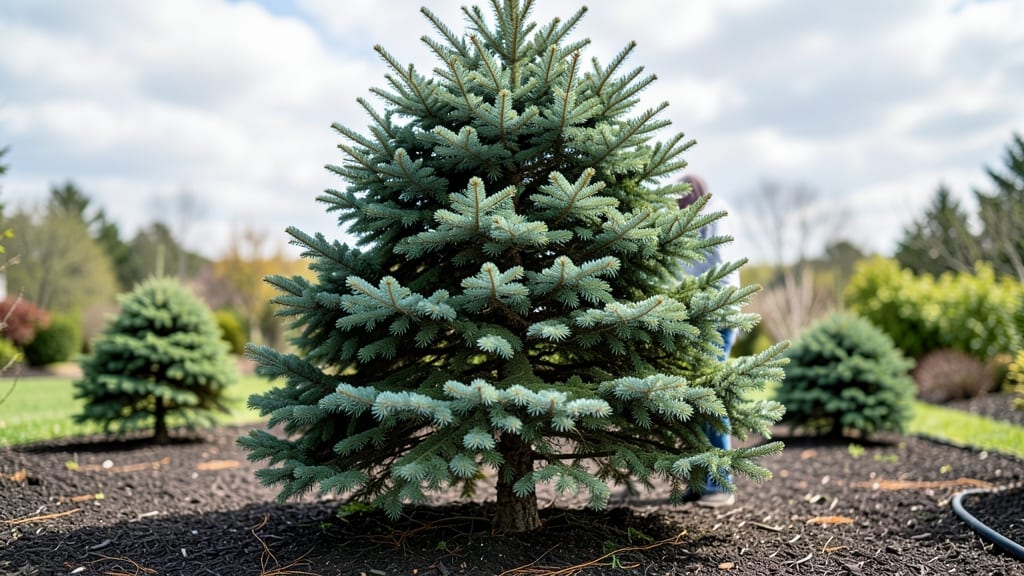
How tall arborvitae grow depends entirely on the variety—from just 3 feet for dwarf types to a breathtaking 60 feet for giants like the Western Red Cedar 🌲—giving you endless options for any landscape design.
If you're planning a privacy screen or a low-maintenance hedge, you might be surprised by how much their mature size varies. Some stay compact enough for small yards, while others will dwarf your entire property if not planned for carefully.
This guide breaks down the fastest-growing varieties, their ideal spacing, and how to control their height through pruning and smart planting. Whether you want a quick privacy wall or a statement tree, knowing the right variety makes all the difference.
You’ll also discover which types stay under 10 feet without pruning and how to avoid common mistakes that lead to overgrowth. Let’s get started with the perfect arborvitae for your space.


Arborvitae mature heights by variety: from compact to towering giants
Choosing the right arborvitae variety depends entirely on your space and privacy needs. Some stay as compact as 3 feet tall, perfect for foundation plantings, while others grow to 60 feet or more, creating towering privacy screens.
The key is understanding each variety’s mature height range and spacing requirements to avoid overcrowding or underutilized space.
I’ve planted arborvitae in my own yard for years, and the difference between a dwarf variety like 'Teddy Bear' and a giant like 'Brandon' is night and day. Dwarf types thrive in small gardens or containers, while the giants demand serious yard space and regular pruning.
Let’s break down the top 10 arborvitae varieties by height, so you can pick the perfect fit for your landscape.
Pro Tip: Always check your arborvitae’s mature height before planting—some varieties can double in size over 10 years if given ideal conditions! Planting too close to structures or other plants can lead to root competition and stunted growth.
| Variety | Mature Height | Spread | Spacing (ft) | Best For |
|---|---|---|---|---|
| Teddy Bear | 3–5 ft | 2–3 ft | 3–4 ft | Containers, small gardens |
| Emerald Green | 12–15 ft | 3–4 ft | 4–6 ft | Hedges, narrow spaces |
| Golden Globe | 3–5 ft | 3–4 ft | 3–4 ft | Foundation plantings, borders |
| Green Giant | 30–40 ft | 10–15 ft | 10–12 ft | Privacy screens, large yards |
| American Arborvitae | 40–60 ft | 15–20 ft | 15–20 ft | Woodland edges, large properties |
| Hetz Midget | 2–3 ft | 2–3 ft | 2–3 ft | Rock gardens, containers |
Fastest-growing arborvitae: which varieties reach mature height quickest?If you're looking for quick privacy or a fast-growing hedge, some arborvitae varieties shoot up 2-3 feet per year—outpacing slower growers by nearly 50% in the first decade. The key difference? Genetics and growing conditions. 'Green Giant' and 'Leaders' top the charts for speed, while 'Emerald Green' stays compact but grows at a snail's pace. Let's break down the fastest climbers and how to maximize their growth. For homeowners with limited time, fast-growing arborvitae like 'Green Giant' (Thuja standishii) can reach 30-50 feet in 10 years—that's 3-5 feet annually under ideal conditions. These varieties aren’t just tall; they’re dense and hardy, making them perfect for windbreaks or instant privacy screens. But speed comes with trade-offs, like larger spacing needs and more aggressive pruning to maintain shape. Here’s what you need to know about the fastest-growing arborvitae varieties and how to help them reach their full potential quickly: 1
'Green Giant' grows 3-5 feet/year—reaching 30-50 feet in 10 years. Ideal for large yards or windbreaks.
2
'Leaders' hits 2-3 feet/year—perfect for tall, narrow hedges with 15-20 feet mature height.
3
'American Giant' grows 2-4 feet/year—a Western redcedar hybrid reaching 40-60 feet in ideal climates.
4
'Emerald Green' grows 6-12 inches/year—slow but compact (12-15 feet), ideal for small spaces.
5
Soil and sunlight boost growth—full sun and moist, well-drained soil can add 1-2 extra feet/year to fast growers.
To push your arborvitae to grow faster, focus on three critical factors: soil quality, sunlight exposure, and watering consistency. Fast growers like 'Green Giant' thrive in full sun (6+ hours daily) and moist, slightly acidic soil (pH 6.0-7.0). Amend clay or sandy soil with compost or peat moss to improve drainage and nutrient retention. I’ve seen 'Leaders' add an extra foot annually when planted in loamy soil with regular mulching. Watering plays a huge role in early growth. Young arborvitae need deep watering 2-3 times per week during their first year, while established trees benefit from weekly deep soaks in dry spells. Avoid overhead watering, which can promote fungal diseases like root rot. Instead, use a soaker hose at the base to keep roots hydrated without wetting the foliage. This simple tweak can double your tree’s growth rate in the first few years. Pruning isn’t just for shaping—it’s a growth hack for fast arborvitae. Light pruning in early spring encourages new, vigorous growth, while summer trimming keeps the tree dense. For varieties like 'Green Giant', I recommend annual tip pruning to maintain a pyramidal shape and prevent legginess. Use sharp, clean shears and never remove more than 25% of the foliage in one session to avoid stressing the tree. If you’re planting a fast-growing arborvitae in a small space, choose a semi-dwarf variety like 'Techno Green' (2-3 feet/year) or 'Smaragd' (1-2 feet/year). These still grow quickly but stay under 15 feet tall, making them perfect for urban gardens or narrow yards. Always check the mature height before planting—some "fast" varieties can still outgrow their welcome if not monitored. |