
Plants
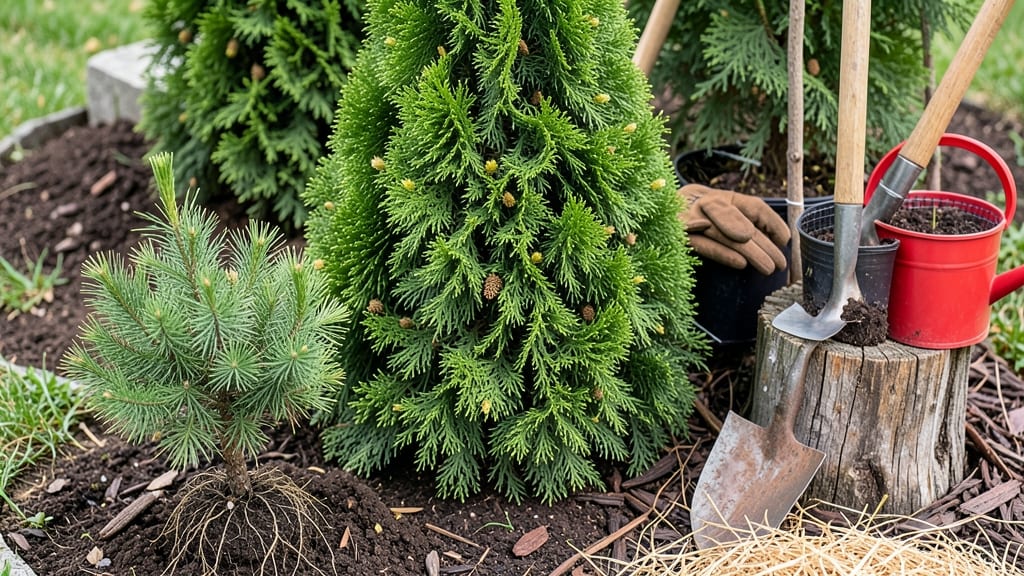
To plant arborvitae in Michigan, aim for early spring or early fall when soil temperatures are mild and frost risks are low.
Michigan’s unpredictable winters and short growing seasons can make planting arborvitae a tricky decision—but timing it right ensures your trees thrive for decades. Whether you're in the Upper Peninsula’s cooler Zone 5b or the warmer Zone 6b of southern Michigan, the right window makes all the difference.
Spring planting, after the last frost around mid-April, gives young 🌲 roots time to establish before winter. Fall planting, by early October, allows roots to settle before the ground freezes. Both windows avoid transplant shock and maximize survival rates.
Below, I’ll break down the best months for your region, soil prep secrets, and cold-hardy varieties that flourish in Michigan’s climate—so you can plant with confidence and watch your arborvitae grow strong for years.
Best planting windows for arborvitae in Michigan’s zones 4-6
Michigan’s USDA Zones 4-6 present unique challenges for planting arborvitae, with frost dates ranging from mid-April to mid-May for spring planting and first frost arriving as early as mid-October.
The key is planting when soil temperatures stay above 40°F (4°C) for root establishment, while avoiding summer heat stress or winter transplant shock.
In my experience, early spring (March-April) and early fall (September-October) offer the best balance—giving roots time to establish before extreme weather hits.
The Upper Peninsula has a shorter growing season, so I recommend pushing spring planting to late April there, while the Lower Peninsula can start as early as March in warmer microclimates near lakes.
Here’s my data-backed planting window for Michigan arborvitae, tailored to your specific zone and regional variations:
I’ve found that fall planting (September) is often the safest option for Michigan’s climate. By this time, summer heat stress has passed, and cool soil temperatures help reduce transplant shock.
The tree can then focus on root growth before winter dormancy sets in. For bare-root arborvitae, fall planting gives roots extra time to establish before spring growth begins.
Spring planting works well too, but timing is critical. In Zone 4 areas (like Traverse City or Marquette), wait until after last frost (typically mid-May) to avoid frost damage to new growth.
In Zone 6 areas (like Detroit or Ann Arbor), you can plant as early as March if soil isn’t frozen.
One common mistake I see is planting arborvitae in late spring or early summer. While the weather may seem ideal, high temperatures and limited rainfall can stress young trees.
If you must plant during these months, I recommend deep watering every 5-7 days and using mulch to retain moisture—critical for Michigan’s clay-heavy soils.
For container-grown arborvitae, you have slightly more flexibility. These can handle late spring or early fall planting better than bare-root varieties, but still avoid extreme heat or frost.
If planting in August, choose morning planting to reduce heat stress, and keep the root ball well-watered for the first 4-6 weeks.
Regardless of season, I always recommend amending Michigan’s native soils with compost or organic matter before planting. The state’s clay-heavy soils drain poorly when saturated, which can lead to root rot—a major issue for arborvitae.
Mixing in sand or perlite improves drainage, while peat moss helps retain moisture during dry spells.
Pro tip: If you’re planting near lakes or large bodies of water (common in Michigan’s Lower Peninsula), you can extend your planting window by 1-2 weeks.
These microclimates have warmer soil temperatures and higher humidity, reducing transplant shock risks. Just be mindful of late-season winds, which can dry out young trees quickly.
Remember, arborvitae are evergreens, so they need time to acclimate to Michigan’s winter conditions. Planting too late in the season can leave them vulnerable to winter burn or desiccation.
Always check your local USDA zone map and consult with Michigan State University Extension for region-specific advice—they’ve got the most up-to-date data on frost dates and microclimates.
How to prepare Michigan soil for cold-hardy arborvitae success
Michigan’s clay-heavy soils and winter freeze-thaw cycles can stifle arborvitae growth if not properly amended. These evergreens thrive best in well-draining, slightly acidic soil with a pH between 6.0 and 7.0.
Without proper prep, your trees may struggle with root rot or nutrient deficiencies, especially in Michigan’s USDA Zones 4-6. The key is balancing native soil with organic matter while improving drainage—without overworking the compacted earth.
Start by testing your soil’s pH and texture. Michigan’s native soils often lean toward alkaline (pH 7.5+), which can lock out essential nutrients like iron and manganese. Use a home soil test kit or send a sample to your local MSU Extension office for precise readings.
If your soil tests above 7.0, amend it with peat moss or pine bark fines to lower the pH gradually. For drainage issues, avoid heavy amendments like compost alone—mix in coarse sand or perlite to create air pockets.
Native Michigan Soil vs. Imported Mixes
Native Soil
- Pros: Free, locally adapted, retains moisture
- Cons: Often clay-heavy, poor drainage, alkaline pH
Best for: Amending with 30% organic matter (compost + sand)
Imported Mix
- Pros: Well-draining, pH-balanced, nutrient-rich
- Cons: Expensive, may lack local microbes, requires frequent replenishment
Best for: Container planting or high-value landscapes
Tip: For heavy clay, blend 50% native soil with 30% compost and 20% perlite for optimal results.
For organic amendments, focus on materials that improve both structure and fertility. Work in 3-4 inches of compost (leaf mold or well-rotted manure) and 1 inch of pine fines into the top 12 inches of soil. Avoid fresh manure, which can burn roots.
If your soil is particularly dense, consider adding gypsum (not lime!) to break up clay particles without altering pH. Spread a 2-inch layer of wood chips or straw mulch around the planting hole to retain moisture and regulate soil temperature.
Arborvitae roots are shallow but extensive, so avoid tilling deeply—this can damage roots and disrupt soil structure. Instead, use a broadfork to loosen the top 6-8 inches of soil in a 12-inch-wide circle around the planting area.
This aerates without compacting. For sandy soils (common in northern Michigan), mix in peat moss to improve water retention. Always water the amended soil thoroughly before planting to help roots establish in the new environment.
One often-overlooked step is winterizing your soil before the first frost. After planting, apply a 4-inch layer of mulch (avoid pine needles, which acidify too quickly). This protects roots from temperature fluctuations and prevents soil heaving during freeze-thaw cycles.
In Michigan’s Zone 4 areas, consider adding a burlap windbreak for the first winter to shield young trees from drying winds. Monitor soil moisture—even dormant trees need occasional watering if snow cover is minimal.
Remember, arborvitae are long-lived investments—proper soil prep now means decades of low-maintenance greenery. If you’re unsure about your soil’s composition, consult a local nursery specialist for a custom blend recommendation.
With the right foundation, your arborvitae will weather Michigan’s winters with resilience and grow into a privacy screen or focal point for years to come. 🌲