
Planting
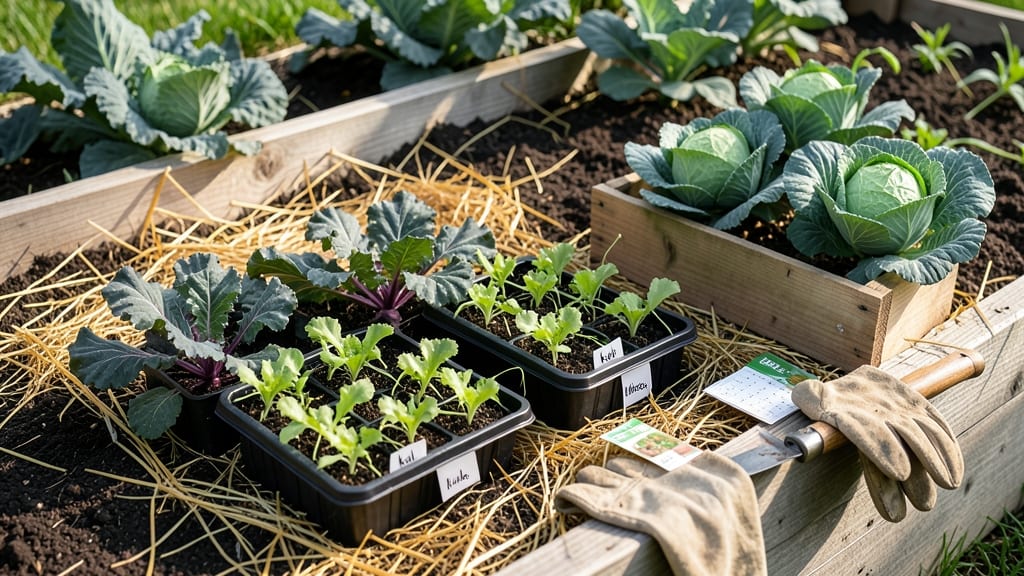
To plant a garden in North Dakota, aim for mid-April to early June after the last frost — a window that shrinks faster than you think if you wait too long.
North Dakota’s short growing season demands precision timing—plant too early and risk frost damage, too late and miss peak harvests. Mastering the frost-free deadlines by county can mean the difference between a thriving garden and a failed one.
With USDA zones 3b to 5a, most General Garden Vegetables & Flowers 🌱 need soil at 50°F or warmer, which often means waiting until late May in colder regions. But don’t panic—early starts with row covers can buy you extra weeks.
Below, I break down the best planting windows by crop, county-specific frost dates, and how to stretch your season with cold frames. You’ll learn exactly when to sow your seeds for maximum yields.
North Dakota’s frost-free planting deadlines by county: exact dates for cool vs. warm season crops
North Dakota’s short growing season means timing is everything. The last spring frost typically arrives between May 1 and June 15, but exact dates vary by county and microclimate.
Warm-season crops like tomatoes and peppers need soil temperatures above 50°F, while cool-season crops like spinach and peas can handle 40°F soil. Miss these windows, and you risk frost damage or stunted growth.
Most of North Dakota falls within USDA zones 3b–4a, with Cass County being the warmest and Ransom County the coldest. The North Dakota State Climate Office tracks frost data, but local conditions—like urban heat islands or lowland areas—can shift dates by 1–2 weeks.
Always check weekly forecasts before planting warm-season crops.
Use this county-by-county guide to align your planting with frost-free deadlines. For cool-season crops, start seeds 4–6 weeks before the last frost.
For warm-season crops, wait until 2 weeks after the average last frost date. Herbs like dill and cilantro thrive in cooler temps, while basil and okra need heat.
Pro Tip: Extend your season with row covers or cold frames. These can push planting dates 2–3 weeks earlier for heat-loving crops. Just remove covers when temps rise above 75°F to avoid overheating.
| County | Last Frost Date (Avg) | Cool-Season Planting Window | Warm-Season Planting Window | Key Crops to Prioritize |
|---|---|---|---|---|
| Cass | May 10 | April 15–May 5 | May 20–June 5 | Peas, Lettuce, Tomatoes, Basil |
| Grand Forks | May 15 | April 20–May 10 | May 25–June 10 | Spinach, Radishes, Peppers, Cucumbers |
| Kidder | May 5 | April 1–May 1 | May 15–May 30 | Kale, Carrots, Beans, Okra |
| Ransom | May 20 | April 25–May 15 | June 1–June 15 | Broccoli, Swiss Chard, Eggplant, Melons |
| Burleigh | May 12 | April 18–May 8 | May 22–June 7 |
How to adjust planting timing for North Dakota’s microclimates: urban vs. rural, lowland vs. uplandNorth Dakota’s diverse landscapes create microclimates that can shift your planting window by weeks. Urban areas like Fargo often experience urban heat islands that delay frost, while rural uplands near Bismarck may see earlier freezes. Understanding these variations helps you avoid late spring frosts or wasted summer heat. Elevation plays a critical role—every 1,000 feet of elevation can shorten your growing season by 3–5 days. Lowland areas near the Red River Valley stay warmer longer, while upland regions in the Drift Prairie face earlier frost risks. Check the ND State Climate Office for your specific area’s historical frost dates. Proximity to large bodies of water, like Lake Sakakawea or the Missouri River, creates moderating microclimates—warmer nights in summer and milder winters. Meanwhile, dry inland areas experience more extreme temperature swings. Adjust your planting schedule by 1–2 weeks based on these local conditions. Microclimate Planting AdjustmentsUrban Areas (Fargo, Grand Forks)
Rural Uplands (Bismarck, Dickinson)
Tip: Use row covers in uplands to add 2–4°F warmth and extend planting by 2 weeks.
To extend your growing season, use cold frames or low tunnels—these can push spring planting back by 3–4 weeks and fall harvests forward by 2 weeks. For urban gardens, prioritize heat-tolerant varieties like zucchini or peppers, while rural areas benefit from fast-maturing crops such as radishes or bush beans. Monitor soil temperatures with a soil thermometer—most vegetables need 50°F+ soil to germinate. In lowland areas, this may happen by mid-April, while upland sites might not reach it until late May. Adjust your planting calendar accordingly to avoid seed rot or poor germination. For perennials and woody plants, upland sites offer hardier conditions with less winter kill. Plant fruit trees or shrubs in well-drained upland soil by late August to establish roots before frost. In urban microclimates, opt for container gardening to manage soil temperature and moisture levels more precisely. |