
Size
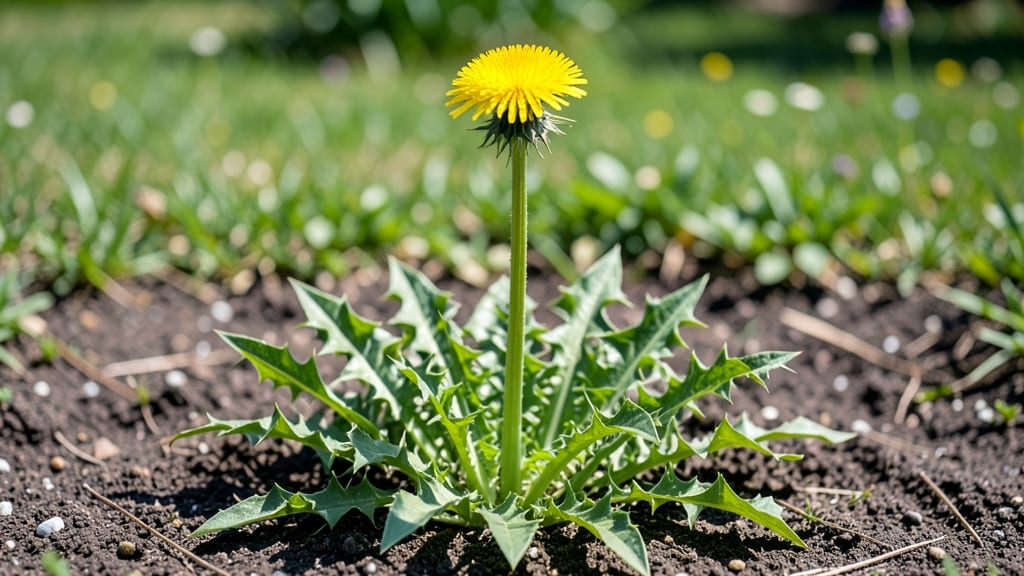
How tall can dandelions grow? Under ideal conditions, they can reach heights of 1 to 2 feet, though wild varieties often reach their full potential when left undisturbed 🌼.
If you’ve ever pulled one just to see it pop back up taller the next day, you know these plants are stubborn—and that’s the point. Their height isn’t just about luck; it’s tied to sunlight, soil, and how much you let them thrive.
Whether you’re dealing with a lawn full of them or growing them intentionally, understanding what makes them stretch (or stay short) is the key to managing—or even enjoying—their growth.
Wild dandelions in open fields or neglected patches can hit those 2-foot marks, while cultivated ones in gardens might stay shorter unless given the right conditions. The difference isn’t just about genetics; it’s about what they’re competing with and how much space they have to spread.
Sunlight is the biggest factor—more light means taller stems and bigger blooms, which is why they seem to thrive in cracks in the pavement or along fence lines.
In this guide, I’ll break down the science behind their height—why some stay small, why others shoot up like weeds (literally), and how you can use that knowledge to your advantage.
Whether you’re trying to control them or grow them for their greens, knowing their growth habits makes all the difference.


Wild dandelion height: how tall can they naturally grow?
Wild dandelions (Taraxacum officinale) are often dismissed as weeds, but their natural height can vary dramatically depending on growing conditions.
In ideal circumstances, these hardy perennials can reach heights of 1 to 2 feet—though some exceptional specimens have been documented towering up to 3 feet in perfect environments. Their growth habits depend heavily on sunlight exposure, soil quality, and competition from other plants.
Most wild dandelions you’ll spot in lawns or meadows hover around 6 to 18 inches tall, with slender stems supporting bright yellow flower heads. However, when given rich soil and full sun, they can stretch significantly taller.
Understanding these variations helps gardeners decide whether to embrace or eradicate them in their landscapes.
🌱 Key Factors Affecting Height:
| Factor | Height Impact | Example |
|---|---|---|
| Sunlight | Full sun (6+ hrs/day) → 18–24" | Lawn edges, meadows |
| Soil Quality | Rich, loamy soil → 24–36" | Garden beds with compost |
| Competition | Low competition → 12–30" | Open fields, early spring |
| Climate | Cooler regions → 6–12" | Northern US, Canada |
| Water Availability | Consistent moisture → 18–24" | Rainy seasons, irrigated areas |
Dandelions thrive in USDA Zones 3–10, but their height potential differs dramatically by region. In the southern United States, where growing seasons are longer, dandelions often reach their maximum height of 2 to 3 feet.
Meanwhile, in northern climates, they rarely exceed 12 inches due to shorter daylight hours and cooler temperatures.
One fascinating exception is the giant dandelion (Taraxacum kok-saghyz), a rare variant found in Central Asia. These specimens can grow up to 3 feet tall with thick, fleshy stems—ideal for foraging roots.
While not common in North America, they offer a glimpse into how much taller dandelions can grow under the right conditions.
Soil composition plays a critical role in dandelion height. Plants growing in nutrient-poor, compacted soil (like many lawns) stay short and bushy, rarely exceeding 8 inches. In contrast, dandelions in loamy, well-draining soil with added compost can shoot up to 2 feet or more.
The deep taproot system allows them to access nutrients deep underground, fueling rapid vertical growth when conditions are favorable.
Competition from other plants also limits dandelion height. In dense grassy areas, they often grow horizontally rather than vertically, producing sprawling rosettes of leaves. However, when given space—such as in early spring before grass fills in—they can bolt quickly, reaching their full height potential in just 4–6 weeks.
If you’re curious about the tallest dandelions on record, look no further than meadows and roadside ditches in early summer. These areas provide the perfect combination of sunlight, open space, and disturbed soil, allowing dandelions to stretch their legs.
Some gardeners have even reported 3-foot-tall specimens in highly fertile garden beds, though these are exceptions rather than the rule.
For those considering dandelions as edible greens or medicinal plants, height can indicate maturity. Younger, shorter dandelions (under 12 inches) typically have the most tender leaves, while taller specimens may have bitter, fibrous foliage. Harvesting before flowering ensures the best flavor and texture, regardless of height.
In summary, wild dandelions can grow anywhere from 6 inches to 3 feet tall, depending on their environment. While most gardeners encounter the 12–18 inch variety, ideal conditions can unlock their full height potential—proving these "weeds" are far more versatile than they seem. 🌼
Cultivated dandelions: maximizing height for gardens and landscapes
If you’ve ever dismissed dandelions as stubborn weeds, think again! With the right care, these hardy plants can reach impressive heights—even exceeding 2 feet under ideal conditions. Cultivated dandelions aren’t just for lawns; they’re versatile additions to edible gardens, pollinator-friendly landscapes, and even cut-flower arrangements.
The secret lies in soil enrichment, strategic watering, and choosing the right varieties for your goals.
Unlike their wild counterparts, cultivated dandelions respond well to garden interventions. By mimicking their natural preferences—like well-draining soil and full sunlight—you can coax them to grow taller and more vigorous.
Whether you’re growing them for their nutrient-rich greens or their striking yellow blooms, understanding their growth habits is your first step to success. Let’s explore how to maximize their height while keeping them healthy and productive.
- 1. Soil Prep: Amend soil with compost (2–3 inches) before planting to boost nutrient uptake and root development.
- 2. Sunlight: Provide 6+ hours of full sun daily—this is critical for achieving 2-foot heights.
- 3. Watering: Water deeply 2–3 times per week (morning preferred) to encourage strong taproots.
- 4. Spacing: Plant seeds 6–12 inches apart to reduce competition and allow stems to reach full potential.
- 5. Fertilizer: Use a balanced 5-10-10 fertilizer lightly in spring to support early growth.
- 6. Pruning: Remove spent blooms to redirect energy into stem elongation rather than seed production.
For ornamental gardens, consider varieties like ‘Giant Yellow’ or ‘Mammoth’, which are bred for height and dramatic blooms. These cultivars can reach up to 24 inches when grown in loose, fertile soil.
If you’re cultivating dandelions for edible greens, focus on early harvests to keep leaves tender—though taller plants still produce abundant foliage. Just be mindful that their taproots will deepen as they grow, making them harder to uproot later.
Companion planting can also influence height. Pair dandelions with nitrogen-fixing plants like clover or beans to naturally enrich the soil, or plant them near carrots or radishes to deter pests without chemicals. Avoid planting near asparagus or tomatoes, as dandelions may compete for nutrients.
Mulching with straw or grass clippings helps retain moisture and suppresses weeds, allowing your dandelions to channel energy into vertical growth.
One common misconception is that mowing or frequent cutting stunts dandelions. While this may keep them short, it also reduces their ability to store energy in taproots for future growth.
If height is your goal, avoid aggressive trimming and instead focus on selective pruning to shape plants without sacrificing their stature. With patience and the right conditions, your cultivated dandelions will reward you with towering stems that add both beauty and utility to your garden.
Remember, dandelions are perennial powerhouses—once established, they’ll return year after year, often growing taller with each season. Embrace their resilience and use these tips to transform them from lawn nuisances into showstopping garden stars. Happy growing! 🌼