
How To
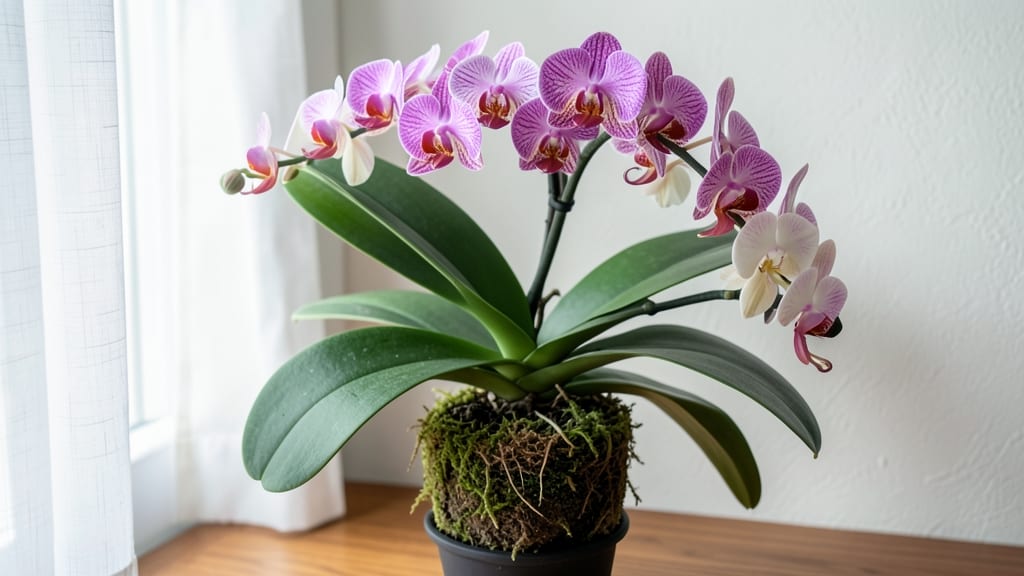
Orchids can grow surprisingly tall, with some varieties reaching heights of over 10 feet—far beyond what most people expect from these delicate-looking blooms.
Imagine a 🌸 orchid stretching taller than your ceiling, its vines cascading like a living waterfall. While many orchids stay compact, certain species like the Vanda or Grammatophyllum can become true giants, transforming your space into a vertical garden.
If you’ve ever wondered how to coax these towering beauties to life, you’re in the right place.
Height isn’t just about species—light, support, and even pot size play a role. A Phalaenopsis might stay under 2 feet, while a Cattleya could climb to 3 feet with the right care.
Below, we’ll break down the tallest orchids, why they grow so big, and how to give them the conditions they crave.
Whether you’re planning a wall-mounted display or just curious about orchid potential, you’ll discover how to maximize their growth without overcrowding your home—no green thumb required.


Orchid height by variety: from miniature to towering giants
When most people picture orchids, they imagine delicate Phalaenopsis or Cattleya blooms in small pots—but some orchids defy expectations by growing into towering giants. The height of an orchid depends entirely on its species, with some varieties staying under 6 inches while others stretch over 10 feet.
For example, the Vanda genus can reach heights of 6-12 feet when given proper care, while Paphiopedilums often remain compact at just 1-2 feet. Understanding these differences helps gardeners choose the right variety for their space and lighting conditions.
Orchid height isn’t just about aesthetics—it’s tied to their natural habitats. Epiphytic orchids (like Cattleya and Dendrobium) often grow tall to reach sunlight in dense forests, while terrestrial orchids (such as Paphiopedilum) stay closer to the ground.
Even within a genus, care practices like pruning, support structures, and light exposure can influence how tall your orchid becomes. For instance, a Phalaenopsis left without a stake may sprawl, while one trained on a moss pole can grow 3-4 feet taller.
| Orchid Variety | Height Range | Growth Habit | Ideal Care for Height |
|---|---|---|---|
| Miniature Orchids | Under 6 inches | Compact | Bright indirect light, small pots, minimal pruning |
| Phalaenopsis | 1-3 feet | Trailing or upright | Moss poles for support, regular watering, east/west light |
| Cattleya | 2-5 feet | Climbing | Strong support (trellis/bamboo), high humidity, bright light |
| Dendrobium | 3-10 feet | Canes or clusters | Cool winter dormancy, full sun, tall containers |
| Vanda | 6-12 feet | Epiphytic climber | High light, airflow, mounting on slabs or large pots |
| Paphiopedilum | 1-2 feet | Terrestrial | Moist soil, shade, no support needed |
If you’re dreaming of tall orchids but lack vertical space, consider Dendrobium varieties like Dendrobium phalaenopsis, which can grow 6-8 feet in just a few years. These orchids produce long, arching canes that thrive in cool winter temperatures and bright light.
For indoor growers, Vanda hybrids are a stunning choice—their vibrant blooms and 6-foot-plus height make them conversation pieces. However, they require intense light (often a grow light) and excellent airflow to prevent disease.
On the opposite end of the spectrum, miniature orchids like Bulbophyllum and Masdevallia stay under 6 inches but pack a punch with intricate flowers. These are perfect for small spaces or terrariums. The key to keeping them petite?
Use small pots and avoid over-fertilizing, which can encourage leggy growth. Even Phalaenopsis, typically medium-sized, can be kept compact by pruning spent spikes and using nutrient-rich orchid mix.
Light is the single most critical factor in orchid height. Low-light conditions cause orchids to stretch and become leggy, while too much direct sun can scorch leaves. For example, Cattleya orchids need bright, indirect light to grow tall and sturdy, while Paphiopedilums prefer shadier conditions to stay compact.
A simple trick? Place your orchid near an east-facing window for gentle morning light or use a grow light for consistent illumination.
Support structures like moss poles, bamboo stakes, or trellises can transform a sprawling orchid into a vertical masterpiece. For instance, training a Phalaenopsis on a moss pole encourages upward growth, while a Cattleya will climb a trellis to reach sunlight.
Without support, these orchids may flop or grow unevenly. Pro tip: Use soft ties (like orchid clips or velcro straps) to attach stems gently—avoid wire or tight bindings that can damage the plant.
Pot size also plays a surprising role in height. Root-bound orchids often grow taller as they search for nutrients, but overpotting can lead to weak, leggy stems. For tall-growing varieties like Vanda, use shallow, wide pots with excellent drainage.
For compact orchids, small pots (3-4 inches) help maintain their size. Always repot every 1-2 years to refresh the orchid mix and prevent root rot, which can stunt growth.
Environmental factors like humidity and temperature further
Why do some orchids grow so tall? The science behind their height
Orchids showcase an incredible range of heights, from delicate miniature varieties to towering giants that reach over 10 feet. This dramatic variation isn't random—it's shaped by their natural habitats and growth habits.
Many orchids grow tall to compete for sunlight in dense tropical forests, while others develop climbing abilities to access nutrients. Understanding these differences helps explain why your Phalaenopsis stays compact while a Vanda stretches skyward.
The most striking height differences come from whether orchids are epiphytic (growing on other plants) or terrestrial (growing in soil). Epiphytic orchids, like Cattleya and Dendrobium, often grow taller because they anchor to trees or rocks rather than compete for ground space.
Their roots cling to surfaces, allowing them to reach higher light levels. In contrast, terrestrial orchids like Paphiopedilum stay shorter since they grow directly in soil.
🌿 Orchid Growth Habits Compared
| Growth Type | Max Height | Natural Habitat | Key Growth Factor |
|---|---|---|---|
| Epiphytic | 10+ feet | Tropical forests | Competition for light |
| Terrestrial | 2-3 feet | Forest floors | Soil nutrients |
| Climbing | 6-12 feet | Mountain slopes | Support structures |
| Non-climbing | 1-2 feet | Open areas | Space availability |
Light exposure plays a critical role in orchid height. Species like Vanda orchids, native to high-altitude regions, grow exceptionally tall because they evolved to reach direct sunlight in open, windy environments. In contrast, Phalaenopsis orchids, which thrive in shaded understory conditions, remain compact.
Providing the right light conditions at home—whether bright indirect light or filtered sunlight—can encourage or limit vertical growth depending on the species.
Humidity levels also influence orchid height, particularly for climbing varieties. Orchids like Dendrobium and Cymbidium grow taller in high-humidity environments because their roots and stems require moisture to expand.
In dry conditions, their growth slows, and they may produce shorter stems. Mimicking their natural humidity levels—typically 60-80%—can help encourage taller growth patterns, especially for epiphytic species.
Support structures make all the difference for climbing orchids. In the wild, these plants use tree trunks, rocks, or moss-covered surfaces to climb upward. At home, you can replicate this with moss poles, bamboo stakes, or trellises.
Without support, climbing orchids like Vanda or Ascocenda may grow leggy and weak, while proper support encourages strong, vertical growth that can reach 10 feet or more over time.
Even non-climbing orchids can benefit from support in certain conditions. For example, Cattleya orchids produce long, sturdy canes that naturally grow upward. By providing a lightweight trellis, you can guide their growth and prevent stems from bending under the weight of blooms.
This not only enhances their height but also improves flower display and overall plant health.