
Companion Plants
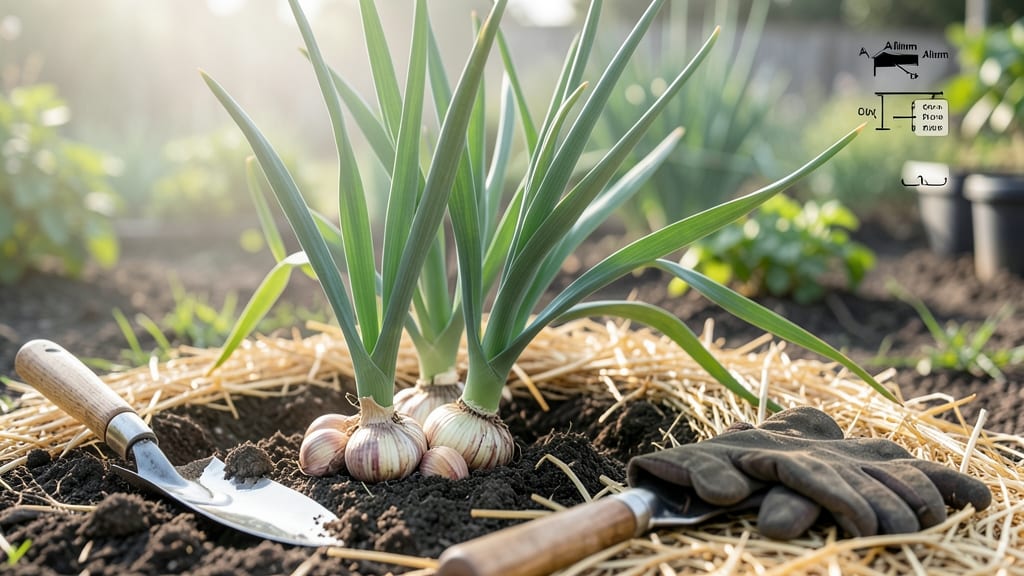
Planting garlic in Michigan between mid-October and early November is the key to bulbs that rival the ones at your local farmers' market — and here’s why timing matters more than you might think.
Michigan gardeners know timing is everything — plant garlic too early, and it bolts; too late, and winter’s frost ruins your crop. But getting it right means bulbs so flavorful they’ll make your neighbors ask for secrets. Here’s exactly when to plant for hardneck garlic success in Michigan’s unpredictable climate.
With USDA zones 5b-6b, Michigan’s first hard frost typically arrives by mid-October, leaving just a 4-6 week window before the ground freezes solid.
That’s your garlic’s chance to root deeply before winter sets in, and hardneck varieties — the ones prized for their bold flavor and braiding potential — need that cold period to develop properly.
Below, I’ll walk you through the exact planting schedule, soil prep tricks to beat Michigan’s heavy clay, and how to tell if you’ve missed the fall window (spoiler: spring planting is possible, but it’s a gamble). Let’s get those 🧄 cloves in the ground the right way.
Michigan’s fall garlic planting deadline: exact weeks before frost
Michigan’s climate throws curveballs—one year’s frost comes early, the next it lingers into December. For hardneck garlic, the sweet spot is planting 4-6 weeks before the ground freezes, typically between mid-October and early November.
This window lets roots establish before winter dormancy, while preventing premature sprouting. Think of it as a race against the clock: too soon, and garlic bolts; too late, and frost kills tender shoots.
Soil temperature is your real deadline. When soil drops below 40°F, garlic roots stop growing. Use a soil thermometer to confirm—plant when temps hover around 50-60°F during the day.
In Michigan’s USDA Zones 5b-6b, this usually aligns with late October, but Upper Peninsula gardeners should push closer to early October due to colder microclimates.
Hardneck vs. softneck varieties behave differently. Hardnecks (like ‘German White’ or ‘Music’) thrive in Michigan’s winters and produce those prized scape shoots. Softnecks (e.g., ‘Silverskin’) are better for milder climates—they’re riskier here but store longer. For Michigan, hardnecks are the clear winner for flavor and cold resilience.
🌱 Michigan Garlic Planting Timeline by Region
| Region | Optimal Planting Window | Soil Temp Threshold | Key Variety Picks |
|---|---|---|---|
| Lower Peninsula (Zone 6a) | Mid-October to early November | 50-60°F (daytime) | ‘German White’, ‘Music’, ‘Chesnok Red’ |
| Upper Peninsula (Zone 5b) | Early to mid-October | 45-55°F (daytime) | ‘Silversmith’, ‘Kogane’, ‘Inchelium Red’ |
| Southeast Michigan (Zone 6b) | Late October to early November | 55-65°F (daytime) | ‘German Red Stripe’, ‘Artichoke’ |
⚠️ Pro Tip: Adjust for early frosts by planting 2 weeks earlier if your area tends toward cold snaps.
Microclimates matter—even within Michigan. A south-facing slope in Traverse City warms faster than a northern valley in Marquette. Observe your garden’s frost patterns: if your area gets consistent frosts by November 1, plant by October 15.
Use black plastic mulch to extend the window by 1-2 weeks in colder spots.
Don’t stress over exact dates—focus on soil conditions. Workable soil (not muddy) is ideal. If you’re planting in heavy clay, amend with compost to improve drainage. Garlic hates soggy roots, and Michigan’s wet springs can drown bulbs if planted too deep.
Aim for 2 inches deep, with 4-6 inches between cloves in rows spaced 12 inches apart.
Hardneck garlic needs vernalization—a cold period to trigger bulb formation. Michigan’s winters naturally provide this, but if you’re in a warmer microclimate (like near Lake Michigan), consider chilling cloves for 6 weeks at 35-40°F before planting. This mimics winter’s effect and ensures better bulb development.
Watch for false starts: garlic might sprout in late winter if temps rise above 40°F. If this happens, mulch heavily (8+ inches of straw) to protect tender shoots. Early sprouts are normal—they’ll harden off once frosts return. Just avoid removing mulch until April to prevent freeze damage.
For late plantings (after November 1), switch to softneck varieties like ‘California Early’ or ‘Creole’. These mature faster but won’t produce scapes. Plant them shallow (1 inch deep) and use row covers to trap heat. Expect smaller bulbs—but it’s better than nothing!
Mark your calendar: July is harvest time, but your planting window this fall determines next summer’s success. Aim for mid-October as your default, then adjust based on soil temps and local frost history.
With the right timing, you’ll grow garlic so robust, your neighbors will think you’ve got a secret Michigan gardening hack.
Spring planting garlic in Michigan: a risky backup plan (and how to make it work)
Spring planting garlic in Michigan feels like rolling the dice—most experts agree fall planting is ideal for hardneck varieties. But life happens: missed deadlines, forgotten bulbs, or last-minute inspiration. If you’re scrambling to plant in spring, don’t toss those cloves just yet.
With the right prep, you can still salvage a decent harvest, though expect smaller bulbs and extra vigilance.
Your first hurdle is time. Garlic planted in spring needs to mature quickly to avoid bolting—the process where it sends up a flower stalk instead of forming bulbs.
In Michigan’s USDA zones 5b-6b, aim to plant by late March to early April, giving your crop at least 120 days before the first frost. That’s cutting it close, but doable with fast-maturing varieties.
Here’s the catch: spring-planted garlic won’t develop the same large, flavorful bulbs as fall-planted crops. But with the right soil prep and shade protection, you can still grow edible garlic for immediate use—think green garlic or smaller bulbs for cooking.
- Bolting risk: Spring heat triggers early flowering. Use shade cloth (30-50%) to keep temps below 85°F.
- Smaller bulbs: Expect 50-70% smaller harvests than fall-planted garlic.
- Pests: Spring soil is warmer, attracting onion maggots. Cover beds with floating row covers.
Pro tip: Plant ‘Silverskin’ or ‘Artichoke’ varieties—they bolt less than hardnecks but still produce usable greens.
Start by warming your soil. Michigan’s spring soil can be too cold for garlic to sprout. Use a black plastic mulch or compost heap to raise soil temps 2-3 weeks before planting.
Test your soil—garlic thrives in pH 6.0-7.0 and well-draining conditions. Amend with compost if your soil is heavy or clay-like.
Choose fast-maturing varieties like ‘German White’ or ‘Music’, which can bulk up quicker than traditional hardnecks. Plant cloves 2 inches deep, 4 inches apart, in rows 12 inches apart. Space matters—crowded plants compete for nutrients and light, increasing bolting risk.
After planting, water deeply once a week, keeping soil moist but not soggy. As temps rise, use drip irrigation to avoid wetting leaves (fungus risk). Monitor for bolting: if stems elongate rapidly or flower stalks appear, harvest green garlic immediately—it’s still edible and delicious in stir-fries or pasta.
Harvest bulbs when lower leaves brown (usually July-August), but brace for disappointment: spring-planted garlic won’t store long-term. Cure them in a dry, shady spot for 2 weeks, then use them fresh or freeze for later. The real win? You’ve bought time until next fall’s planting season.