
Plants
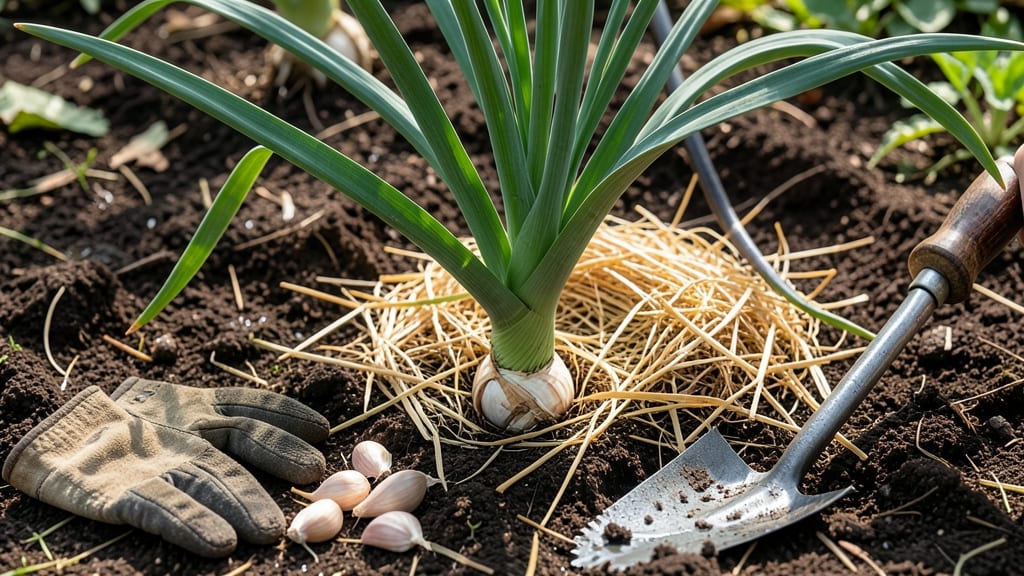
Planting garlic in Northeast Ohio at the right time means the difference between a harvest of plump, flavorful bulbs and a wasted season.
In Zone 6a, where winters are cold and summers are short, timing is everything—especially for hardneck varieties, which need 60-90 days of cold to form bulbs. Miss the fall window, and you might end up with weak growth or no harvest at all.
Most gardeners here plant 🧄 in October or November, when soil temperatures drop below 50°F but before the ground freezes. But what if you’re late? Can you still plant in spring? And which varieties handle Ohio’s climate best?
Below, I’ll walk you through the exact fall planting deadline, spring rules, and the best hardneck varieties for your garden—plus how to adjust for Ohio’s unpredictable frosts.
Northeast Ohio fall planting deadline: exact dates for hardneck garlic success
For hardneck garlic in Northeast Ohio, timing your fall planting between October 15 and November 15 is non-negotiable. This window ensures cloves establish roots before the ground freezes, allowing bulbs to form properly during winter dormancy.
Miss this deadline, and you risk stunted growth or no harvest at all—especially in Ohio’s Zone 6a, where early freezes can hit as early as mid-November.
Your soil temperature is the real clock here. Aim to plant when daytime temps hover around 50°F (10°C) and nighttime temps drop below 40°F (4°C).
This typically aligns with late October, but watch for first frost dates—planting 4-6 weeks before the ground freezes gives garlic enough time to root deeply. In Northeast Ohio, that usually means mid-October to early November for most years.
Use this summary table to pinpoint your exact planting window based on local conditions:
If you’re planting on the earlier side (late October), focus on soil preparation first. Work in 2-3 inches of compost and a balanced fertilizer (10-10-10) to give roots a nutrient boost before winter.
For late October plantings, prioritize mulching—use straw or leaves (4-6 inches) to insulate bulbs and prevent heaving during freeze-thaw cycles.
Adjust your timeline if your area experiences unusually warm falls. For example, if temperatures stay above 50°F (10°C) into November, you might push planting to November 10-15—but only if soil temps drop below 40°F (4°C) within 2 weeks.
Use a soil thermometer to track progress; 40°F (4°C) is the magic number for root hardening before dormancy.
Pro tip: Hardneck garlic needs cold vernalization (40-50°F / 4-10°C for 4-6 weeks) to form bulbs. If your winter is mild, consider chilling cloves in the fridge for 4 weeks before planting in early November. This mimics natural cold exposure and can improve bulb size in Zone 6a.
Watch for early freezes—Northeast Ohio’s first frost can arrive as early as October 20 in some years. If frost hits before you plant, delay until November but use row covers to extend the season.
Never plant after the ground freezes; garlic won’t survive the shock. For late plantings (November), choose smaller cloves (they root faster) and double down on mulch.
After planting, water deeply once to settle soil around cloves, then reduce watering until spring. Garlic goes dormant in winter, so avoid overwatering—this prevents rot. In early spring (March), resume watering when soil thaws, but hold off on fertilizing until April when shoots emerge.
Remember: Hardneck garlic in Northeast Ohio is a one-season wonder. Plant in fall, harvest in late June-July, then replant next year. Skipping fall planting means missing your only chance for full-sized bul
Spring planting rules for Northeast Ohio: can you grow garlic in spring? Risks vs. Rewards
Spring garlic planting in Northeast Ohio feels like rolling the dice with Mother Nature. While most gardeners swear by fall planting (October–November), a few daring souls attempt spring starts—especially if they missed the fall window.
The key is understanding your USDA Zone 6a climate and the unique challenges of Ohio’s unpredictable spring weather.
Hardneck varieties, like 'German White' or 'Music', are the stars of Ohio gardens, but they demand precise timing. Spring planting forces garlic to grow through warm soil and cool nights, which can stunt bulb development.
That said, with the right approach, you can coax a harvest—just don’t expect the same plump bulbs as fall-planted garlic.
⚠️ WARNING: Spring-Planted Garlic Risks & Rewards ⚠️
- Smaller bulbs (spring garlic matures faster but lacks time to swell)
- Higher disease risk (wet springs encourage fungal issues like white rot)
- Bolting danger (if planted too early, garlic may flower instead of bulbing)
If you’re committed to spring planting, aim for late February to early March, when soil temps hover around 40°F. Test your soil first—garlic hates soggy conditions. Plant cloves 2 inches deep (shallower than fall) and space them 4 inches apart in well-draining soil with compost mixed in.
Water deeply after planting, then reduce frequency to prevent rot. Mulch with straw to insulate roots from temperature swings. By June, you’ll harvest smaller bulbs (great for cooking but not storage).
For a second chance, try container growing—pots warm up faster in spring and give you control over drainage.
For most Ohio gardeners, fall planting remains the gold standard. But if you missed the deadline, spring garlic is a worthwhile backup. Just manage expectations: you’re playing by different rules. Try a small test patch first to see how your microclimate responds.
🌱 Alternative Strategy: Save your biggest fall-planted bulbs for next year’s spring harvest by storing them in a cool, dark place (50–60°F) and replanting cloves in February. This mimics a spring start without the risk of late frosts.