
Size
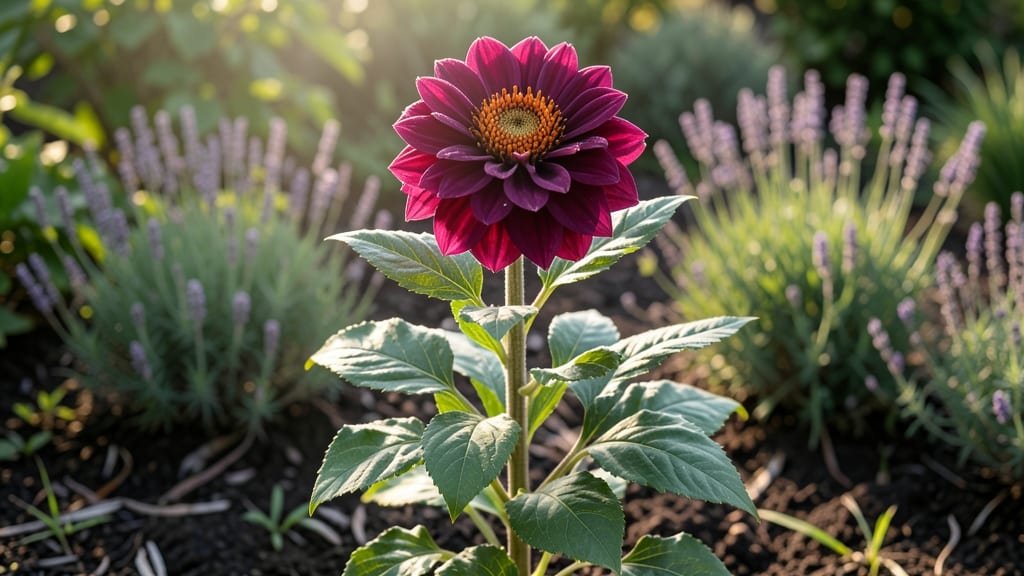
Dahlias grow anywhere from 1 foot to 8 feet tall, depending on the variety you choose—so if you're planning your garden layout, knowing these heights is the key to avoiding a jungle of tangled stems or a sea of undersized blooms.
If you’re dreaming of dramatic garden blooms but wondering how tall dahlias really grow—and whether your yard can handle them—you’re in the right place. Dahlias can range from dwarf varieties barely reaching your knees to towering giants that need staking taller than you are.
Most gardeners start with medium-height varieties like dinnerplate dahlias, which typically reach 4 to 6 feet, perfect for cutting gardens or as a striking backdrop. But if you’re eyeing those giant varieties, you’ll need to plan for sturdy supports—some can stretch up to 8 feet or more!
In this guide, I’ll break down the height ranges by variety, share staking tips to keep your dahlias standing tall, and help you design your garden so every bloom gets the space it needs to shine.


Dahlia height ranges by variety: from dwarf to giant
Choosing dahlias isn’t just about color or bloom shape—it’s also about height. Some varieties stay compact enough for container gardens or border plantings, while others reach heights that make them perfect backyard focal points.
Understanding these height ranges helps you plan spacing, staking, and garden layout long before you plant your dahlia tubers.
From dwarf varieties that barely clear your ankles to giant dahlias towering over your head, each type has unique care needs. For example, tall dahlias often require sturdy supports and more watering frequency, while semi-dwarf types thrive in mixed borders with minimal fuss.
Let’s break down the height categories and what they mean for your garden.
🌱 Pro Tip: Always check the variety description on seed packets or plant tags—some "dwarf" dahlias can still surprise you with unexpected growth if given ideal conditions!
If you’re visualizing these height differences, imagine a dwarf dahlia sitting comfortably on a patio table (about 30 inches tall), while a giant variety would dwarf even a 6-foot-tall person.
This dramatic range means you can use dahlias to create vertical layers in your garden, from foreground accents to towering backdrops.
For container gardening, stick to dwarf or semi-dwarf varieties—their compact growth makes them ideal for balcony planters or window boxes. But if you’re dreaming of a cut flower garden, tall or giant dahlias will give you showstopping stems for arrangements.
Just remember: the taller the dahlia, the more water and nutrients it’ll need to support its heavy blooms.
One common mistake is underestimating wind exposure. Even medium-tall varieties can flop over in breezy locations, while giant dahlias may need additional ties during storms. Planting them near windbreaks or fences can save you from broken stems later in the season.
🌿 Design Tip: Pair tall dahlias with shorter perennials like black-eyed Susans or coneflowers to create a natural height gradient. This not only looks stunning but also makes maintenance easier—you can prune and deadhead without climbing ladders!
Now that you know the height spectrum, the next step is choosing varieties that fit your garden space and care capacity. Whether you’re a beginner gardener with a small yard or a seasoned grower with a cutting garden, there’s a dahlia height perfect for you.
When and how to stake dahlias for maximum height support
If your dahlias are reaching for the sky like overenthusiastic toddlers, it’s time to think about staking support. Without proper support, even medium-height varieties can flop over, while giant dahlias (6-8 ft) become top-heavy disaster zones.
The key is choosing the right support method based on your plant’s mature height and your garden’s wind exposure.
Staking isn’t just about preventing falls—it also improves air circulation, reducing the risk of fungal diseases like powdery mildew. Plus, supported dahlias produce larger, healthier blooms because their energy isn’t wasted struggling to stay upright. Let’s break down when to stake and the best methods for your dahlias.
When to stake dahlias:
- Dwarf varieties (1-2 ft): Usually don’t need staking, but add support if they’re in windy areas.
- Semi-dwarf (2-4 ft): Stake when stems reach 12-18 inches tall or show signs of leaning.
- Standard (4-6 ft): Install stakes or cages at planting time or when stems hit 18 inches.
- Giant (6-8+ ft): Use heavy-duty supports immediately after planting.
🌱 Step-by-Step Staking Guide for Dahlias
- 1 Choose the right support: Use cages for bushy varieties, individual stakes for single stems, or tomato cages for medium-height types.
- 2 Install supports early: Place stakes 3-4 inches deep at planting or when stems reach 12 inches tall. For cages, press them halfway into the soil around the plant.
- 3 Tie stems gently: Use soft plant ties or old socks/stockings to secure stems to supports. Avoid wire or tight ties that can girdle the stem.
- 4 Check stability: In windy areas, add secondary stakes or bury supports deeper. Test by gently pushing the plant—it should not wobble.
- 5 Avoid common mistakes: Never stake too late (waiting until stems flop), use metal stakes that can rust, or skip ties in high-wind zones.
For container-grown dahlias, use flexible bamboo stakes or plastic plant rings to avoid damaging pots. If you’re growing dinnerplate dahlias (with 10-inch blooms), opt for wide cages to support their heavy heads. Remember, the goal is to guide growth, not restrict it—adjust ties as the plant grows.
Pro tip: If your dahlias are leaning toward the sun, it’s not a staking issue—it’s phototropism in action! Simply rotate the pot or reposition the plant to encourage even growth. With the right support, your dahlias will stand tall, proud, and ready for their close-up.
🌿