
How To
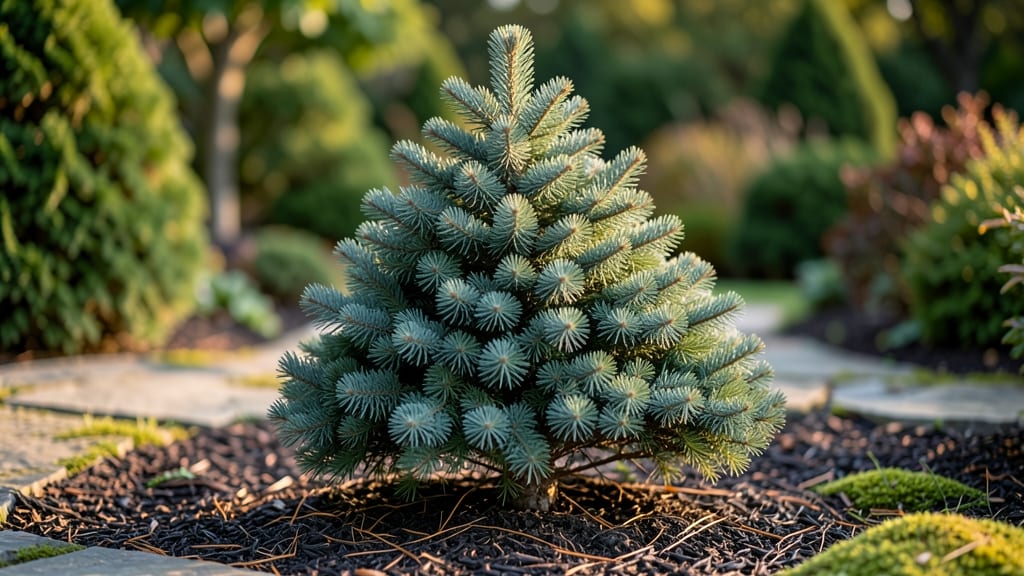
How tall do Alberta Spruce grow? These evergreens reach heights between 10 and 40 feet depending on the variety and care, making them a versatile choice for both small gardens and large landscapes.
If you're considering adding an Alberta Spruce 🌲 to your landscape, knowing its mature height is crucial—this evergreen can range from a compact shrub to a towering tree, depending on the variety and growing conditions.
The most common varieties, like the Picea glauca 'Conica', stay under 10 feet at maturity, while others like the standard Alberta Glauca can reach up to 40 feet when grown in ideal conditions.
Below, I’ll break down the height ranges by variety, factors that influence growth, and practical tips to control its size—so you can choose the perfect fit for your space.


Alberta spruce mature height by variety: a complete size guide
Choosing an Alberta spruce for your landscape means understanding its mature height varies dramatically by variety. Some stay under 5 feet, while others reach towering 40 feet or more.
The key is selecting the right type for your space and vision. Let’s break down the most popular varieties and their growth expectations to help you plan effectively.
Alberta spruce, scientifically Picea glauca, is a hardy evergreen native to North America. Its growth rate and final height depend heavily on the cultivar. For example, the standard Alberta spruce can grow 20-40 feet tall, while dwarf varieties like 'Conica' max out at just 3-5 feet.
Knowing these differences ensures you plant with proper spacing and care.
| Variety | Mature Height | Growth Rate (Annual) | Spacing Needs | Best For |
|---|---|---|---|---|
| Alberta Glauca (Standard) | 20-40 ft | 12-24 in | 15-20 ft apart | Large landscapes, specimen planting |
| 'Conica' (Dwarf) | 3-5 ft | 2-4 in | 3-5 ft apart | Rock gardens, containers, small yards |
| 'Little Gem' | 10-15 ft | 6-12 in | 8-10 ft apart | Medium yards, hedges, privacy screens |
| 'Hoopsii' | 15-20 ft | 8-16 in | 10-12 ft apart | Small to medium landscapes, focal points |
| 'Glauca' (Blue Spruce) | 30-50 ft | 12-24 in | 20-30 ft apart | Large properties, windbreaks |
The Alberta Glauca is the most common variety, often reaching 30-50 feet with a blue-green foliage that adds stunning contrast. Its slow to moderate growth rate means it can take 10-20 years to reach maturity, so patience is key.
If you love the color but need something smaller, consider the 'Little Gem', which stays under 15 feet while maintaining the same vibrant hues.
For those with limited space, the 'Conica' variety is a game-changer. This dwarf Alberta spruce grows just 3-5 feet tall and is perfect for containers, rock gardens, or even as a striking centerpiece in small yards.
Its slow growth rate—only 2-4 inches per year—makes it low-maintenance and ideal for urban gardens where space is tight.
If you're aiming for a medium-sized evergreen that still makes an impact, the 'Hoopsii' variety is an excellent choice. It typically reaches 15-20 feet tall and grows at a moderate pace, making it versatile for hedges, privacy screens, or as a focal point in your landscape.
Its dense branching provides year-round interest without overwhelming smaller properties.
When planning your Alberta spruce placement, always consider mature height and spread. For example, a standard Alberta Glauca needs at least 15-20 feet of clearance from structures, power lines, and other plants.
Conversely, a 'Conica' can thrive in a 3-foot pot on a patio or balcony, provided it gets full sun.
One common mistake gardeners make is underestimating the width of mature spruces. While height is often the focus, these trees can spread 10-15 feet wide at maturity. This means even a 10-foot-tall 'Little Gem' may need 8 feet of horizontal space. Always check the spacing recommendations
Factors that influence Alberta spruce growth height and shape
The Alberta spruce (Picea glauca) can grow anywhere from 10 feet to over 40 feet, but its final height depends heavily on environmental factors and care practices. Unlike many evergreens, this species is particularly responsive to soil conditions, sunlight exposure, and pruning techniques.
Understanding these influences helps you shape your spruce into a compact specimen or let it reach its full towering potential.
One of the most critical factors is soil drainage. Alberta spruces thrive in well-draining, slightly acidic soil (pH 5.0–6.5). Poor drainage or compacted soil can stunt root growth, limiting height and causing root rot.
Amending clay-heavy soil with organic matter like compost or pine bark helps promote deeper root systems, which support taller growth over time.
✅ Pros for Taller Growth
- Full sun exposure (6+ hours daily)
- Well-draining soil with organic matter
- Minimal pruning (only to remove dead branches)
- Cooler climates (USDA Zones 3–6)
❌ Cons for Compact Growth
- Partial shade (reduces growth rate)
- Poor drainage (stunts root development)
- Heavy pruning (encourages bushier shape)
- Urban pollution (can limit height)
Sunlight exposure plays a pivotal role in determining whether your Alberta spruce becomes a tall, narrow tree or a densely branched shrub. These spruces prefer full sun (6+ hours daily), which encourages vertical growth. However, if planted in partial shade, they’ll grow more slowly and develop a wider, bushier shape. For example, a spruce in a north-facing yard might max out at 20 feet instead of 35 feet in full sun.
Pruning techniques also dramatically alter height and shape. Minimal pruning (removing only dead or crossing branches) allows the tree to grow to its natural height. In contrast, regular tip pruning (cutting back the top growth) encourages a fuller, shorter form.
For instance, pruning the top 1–2 feet annually can keep a standard Alberta spruce under 15 feet over 10 years. Always use sterilized tools and prune in late winter or early spring to avoid stressing the tree.
The climate of your region significantly impacts growth rates. Alberta spruces grow fastest in cooler climates (USDA Zones 3–6), where they experience slow, steady growth of 6–12 inches per year.
In warmer zones (7+), growth can accelerate, but the tree may become less dense and more prone to pests. Additionally, winter cold snaps can damage new growth, temporarily stunting height increases until the tree recovers in spring.
To maximize or control height, monitor your spruce’s response to these factors. For example, if you notice slow growth, check for soil compaction or shade issues and adjust accordingly.
With the right conditions, your Alberta spruce can become a stunning landscape focal point—whether as a towering sentinel or a compact accent plant. 🌲