
Trees
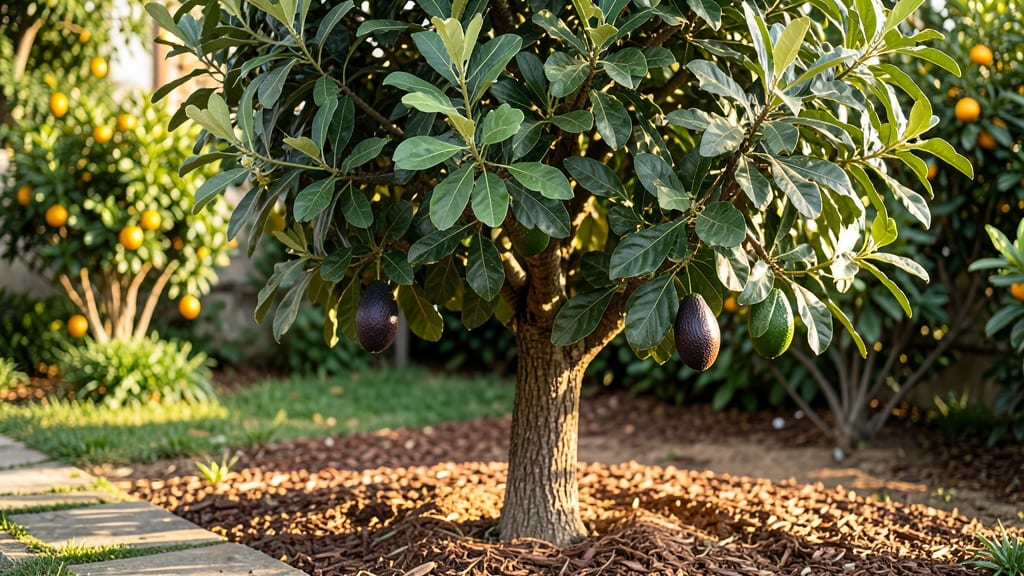
Hass avocado trees grow between 20 and 60 feet tall when planted outdoors in ideal tropical conditions, but their height depends on where you grow them and how you care for them.
Picture this: your backyard transformed into a mini orchard, with a towering Hass avocado tree 🥑 reaching for the sky—only to realize it might outgrow your space in just a few years.
That’s why knowing the mature height is the first step in planning where to plant it, whether you’re dreaming of a full-size tree in your yard or a container-grown version on your patio.
Outdoor Hass avocado trees in zones 9b-11 can soar to 30-60 feet, while container-grown trees stay more manageable at 10-20 feet with proper pruning. The key difference?
Soil depth, sunlight, and pruning habits—all of which we’ll break down to help you keep your tree at the perfect height for your space.
Below, you’ll discover how to control growth, the best dwarf varieties for small gardens, and the pruning secrets that keep your Hass avocado tree from becoming a backyard giant—while still yielding those delicious fruits.


Hass avocado tree height by mature stage: what to expect indoors vs. outdoors
If you're growing a Hass avocado tree, its mature height can vary dramatically depending on whether it's planted in the ground or kept in a container. Understanding these differences helps you plan your garden layout or choose the right pot size.
In ideal conditions, outdoor Hass avocados can reach 30–60 feet tall, while container-grown trees typically max out around 15–20 feet—though this depends heavily on pruning and care.
Your tree’s growth rate also shifts through its life stages. In the first year, expect a modest 1–3 feet of growth, but by year three, it can surge to 10–15 feet if given full sun and proper nutrients.
Without intervention, outdoor trees may tower over your home, while indoor trees stay manageable with regular pruning. Let’s break down what to expect at each stage, indoors and out.
| Growth Stage | Outdoor Height (ft) | Indoor/Container Height (ft) | Key Factors |
|---|---|---|---|
| Year 1 | 1–3 ft | 1–2 ft | Slow growth; focus on root development |
| Year 3 | 10–15 ft | 5–8 ft | Rapid vertical growth; prune early to control |
| Year 5 | 15–25 ft | 8–12 ft | Canopy expansion; needs structural pruning |
| Mature (10+ Years) | 30–60 ft | 15–20 ft (with pruning) | Full sun + warm climate = max height; containers limit growth |
Outdoor Hass avocados thrive in USDA zones 9b–11, where they can grow unchecked if left alone. In these climates, a 10-year-old tree might easily surpass 40 feet, requiring regular pruning to manage height and fruit accessibility.
If you’re in a cooler zone, growth slows significantly, often capping at 20–30 feet unless you provide greenhouse conditions.
For container-grown Hass avocados, height is far more manageable but still requires attention. A 5-gallon pot might keep your tree under 6 feet for years, while a 15-gallon container could support 10–12 feet of growth.
The key is repotting every 2–3 years to accommodate root expansion, which directly impacts how tall your tree becomes. Root-bound trees grow slower but may become stressed if left too long in cramped spaces.
Your climate zone plays a huge role in height potential. In Southern California or Florida, Hass avocados grow aggressively, often reaching 50+ feet without pruning. Meanwhile, in Arizona or Texas, they may only hit 25–35 feet due to slightly cooler nights.
If you’re in Zone 8 or cooler, expect stunted growth unless you use a greenhouse or indoor grow light setup.
Pruning isn’t just about height control—it’s about fruit production. Heavy pruning in early spring can reduce height by 30–50% while encouraging bushier growth with more fruit-bearing branches. I recommend heading cuts (trimming back the tips of branches) to redirect energy toward width rather than height.
Just avoid over-pruning, as this can stress the tree and reduce yield.
Another factor to consider is the rootstock used for your Hass avocado. Trees grafted onto Mexican rootstock tend to grow taller and faster, while those on West Indian rootstock stay shorter and more compact.
If you’re growing in a container, choose a dwarfing rootstock like ‘Wurtz’ to keep your tree under 10 feet even after a decade.
Light exposure is critical for height control. Hass avocados need 6+ hours of direct sunlight daily to grow vertically. In containers, place your tree near a south-facing window or supplement with grow lights for 12–14 hours/day to prevent leggy, stretched growth.
Without enough light, your tree will grow tall and weak, with sparse foliage and fewer fruits.
Finally, remember that patience is key with Hass avocados. It takes 3–5 years for a tree to bear fruit, and during that time, height can
How to control Hass avocado tree height: pruning tips for compact growth
Managing the height of your Hass avocado tree is essential for both backyard harmony and fruit production. Without proper pruning, these trees can reach 30–60 feet outdoors, dwarfing your landscape and making fruit harvesting a challenge.
The key lies in strategic pruning to encourage a balanced shape while maintaining healthy growth and fruit yield.
Pruning isn’t just about cutting branches—it’s about understanding growth patterns. Hass avocados grow best with an open canopy, allowing sunlight to reach all branches. This not only improves fruit quality but also reduces the risk of disease from poor air circulation.
Start pruning when your tree is young to establish a manageable structure, and continue throughout its life to control its height.
⚠️ WARNING: Avoid These Height Control Mistakes
⚠️ Pruning at the wrong time (e.g., during flowering or fruiting) reduces yield and weakens the tree. Time pruning for late winter or early spring, just before new growth begins.
⚠️ Ignoring dwarf rootstock if using a compact variety. Even dwarf trees need pruning to prevent overcrowding and ensure proper airflow.
For height control, focus on heading cuts—trimming the tips of branches to encourage lateral growth. Make cuts just above a leaf node or bud, angled slightly downward to prevent water pooling.
This technique redirects energy toward wider, bushier growth rather than vertical shoots. Use sharp, sterilized pruners to avoid damaging the tree and introducing pathogens.
Thinning cuts are equally important. Remove suckers (shoots growing from the base or trunk) and crossing branches to improve light penetration and air flow. Prioritize branches that are weak, diseased, or rubbing against others.
These cuts reduce competition for nutrients, allowing the tree to allocate resources to fruit production and healthier growth.
Seasonal timing matters greatly. Prune Hass avocados in late winter (February–March in most regions) to promote spring growth. Avoid heavy pruning in summer or fall, as this can stress the tree and reduce flowering potential for the next season.
If you must prune during these times, limit cuts to light shaping only.
Tools are your best friend when pruning. Use bypass pruners for small branches (up to ½ inch thick), loppers for medium-sized branches (½–2 inches), and a pruning saw for thicker limbs.
Always sterilize tools with rubbing alcohol between cuts to prevent the spread of fungal infections or bacterial diseases like avocado root rot.
Remember, the goal is balance. A well-pruned Hass avocado tree will produce more fruit, stay healthier, and fit beautifully in your garden—whether you’re aiming for a 10-foot dwarf or a 20-foot standard tree.
Start small, observe your tree’s response, and adjust your approach as it grows. With patience and care, you’ll have a manageable, productive avocado tree for years to come. 🪴