
How To
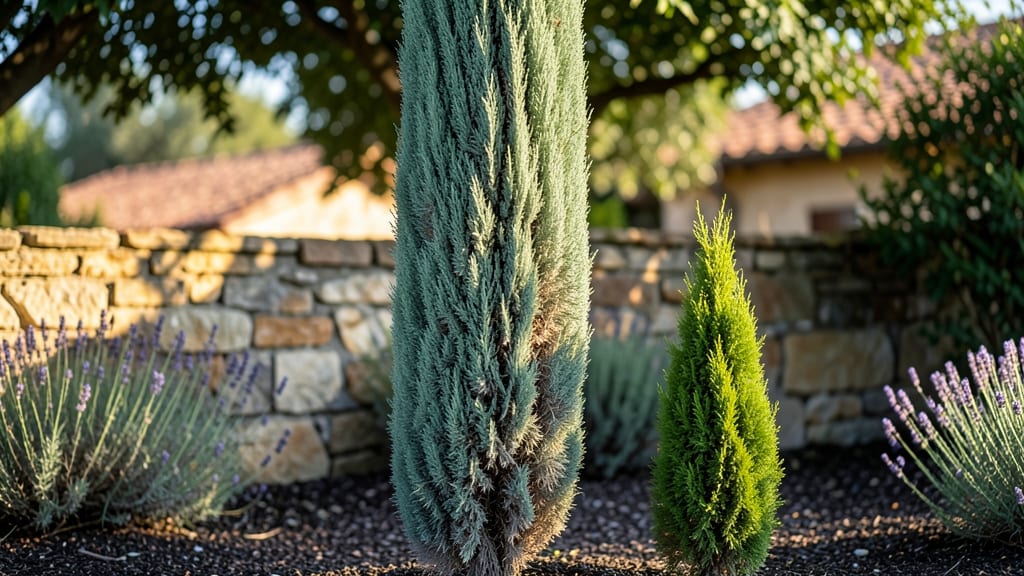
Italian cypress trees grow to 40 to 60 feet tall at maturity 🌲, making them a stunning but space-conscious choice for any landscape.
If you're dreaming of a Mediterranean-style backyard but worried about these trees becoming giants, think again—some varieties stay compact, while others reach towering heights. The key? Knowing which type fits your space and how to manage their growth.
From the standard 'Fastigiata' that can soar to 60 feet to dwarf varieties like 'Tiny Tower' (a modest 10 to 15 feet), your options depend on pruning, soil, and sunlight. Even the tallest types can be shaped with the right techniques.
Here’s how to pick the perfect variety for your yard, control their height, and use them in landscaping—whether you want a dramatic focal point or a neatly trimmed hedge.


Italian cypress tree height by variety: exact mature sizes revealed
Choosing an Italian cypress (Cupressus sempervirens) for your landscape means committing to a tree that can become a stunning vertical focal point—if you pick the right variety. While some varieties reach towering heights of 60 feet, others stay compact enough for even small yards.
The key is understanding each variety's mature height range and growth rate before planting.
I’ve planted Italian cypress myself, and I can tell you firsthand that their height potential varies dramatically. A standard variety like 'Fastigiata' can easily surpass your home’s roofline, while a dwarf variety like 'Tiny Tower' stays under 10 feet.
Let’s break down the exact heights, spacing needs, and growth rates so you can plan your landscape with confidence.
Pro Tip: Always check your local USDA hardiness zone (Italian cypress thrive in zones 6-10) and measure your available space before selecting a variety. A 6-foot clearance above power lines is non-negotiable for taller types!
If you’re working with a limited-space landscape, the 'Tiny Tower' variety is my top recommendation. It matures at just 6-10 feet and grows slowly, making it perfect for containers or small yards.
I’ve seen it thrive in patio planters** as wide as 18 inches, though it’ll grow faster in the ground.
For a bold statement, the 'Fastigiata' is unmatched. This variety can reach 60 feet in ideal conditions, but its narrow, columnar shape makes it ideal for privacy screens or tall hedges. Just be prepared for regular pruning to maintain its shape and prevent overgrowth near power lines.
One common mistake I see is underestimating spacing. Italian cypress have aggressive root systems, so planting too close to buildings or other plants can lead to root competition and stunted growth. Always follow the ideal spacing guidelines in the table above to give your tree room to thrive.
Did you know? The 'Glauca' variety isn’t just shorter—it also has stunning blue-green foliage that adds visual contrast to any landscape. Its 20-30 foot height makes it a great mid-sized option for gardens where you want height without
How pruning affects Italian cypress height: expert tips to control growth
Pruning is the single most powerful tool to control Italian cypress height, whether you want towering standard varieties or compact dwarf cultivars. Without proper pruning, even dwarf types can grow unpredictably tall, while standard varieties may develop uneven tops or weak branches.
The key lies in understanding when, how, and how much to prune based on your landscape goals and the specific variety you've chosen.
For standard Italian cypress (Cupressus sempervirens 'Fastigiata'), pruning encourages vertical growth while maintaining a tapered silhouette. In contrast, dwarf varieties like 'Tiny Tower' require aggressive pruning to prevent overgrowth.
The timing of pruning—whether in late winter or early summer—can either stimulate new growth or suppress height for the season.
🌿 Step-by-Step Pruning Schedule for First 5 Years
- Year 1: Light shaping after planting to establish branch structure. Prune brown or damaged tips only. Avoid heavy cuts.
- Year 2: First structural pruning in late winter. Remove 1/3 of new growth to encourage denser branching. Use sharp bypass pruners for clean cuts.
- Year 3: Height control pruning in early summer. For standard varieties, trim top 1/4 inch to redirect growth. For dwarfs, cut back by 1/3 to maintain compact shape.
- Year 4: Renewal pruning in late winter. Remove older inner branches to improve airflow. Thin overcrowded areas to prevent disease.
- Year 5+: Maintenance pruning twice yearly (late winter and early summer). For height suppression, prune new growth tips by 50% in summer. For standard trees, prune selective branches to maintain tapered form.
Pro Tip: Always prune just above a leaf node to encourage new growth in the right direction. Use disinfectant on tools between cuts to prevent fungal spread.
One of the biggest mistakes gardeners make is pruning at the wrong time. Pruning Italian cypress in late summer or fall can leave new growth vulnerable to winter frost damage, while pruning too aggressively in spring may stunt overall growth.
For height suppression, focus on summer pruning—this slows vertical growth by reducing apical dominance (the tree's natural tendency to grow upward).
Your pruning tools matter just as much as your technique. Use bypass pruners for clean cuts on smaller branches, and a pruning saw for thicker stems. Never use hedge trimmers on Italian cypress—they create ragged cuts that invite disease.
Always sterilize your tools with rubbing alcohol between cuts to prevent spreading fungal infections like cypress canker.
If you're growing Italian cypress in containers, pruning becomes even more critical. Root-bound trees grow more slowly, but they still need regular height control. For potted dwarf varieties, prune new growth tips by 30-50% every 4-6 weeks during the growing season.
This keeps them compact and bushy while preventing them from outgrowing their containers.
Remember, Italian cypress responds best to gradual pruning. Avoid cutting back more than 25-30% of the tree's height in a single season, or you risk shocking the tree and stunting future growth.
With the right pruning approach, you can shape your Italian cypress to fit your landscape—whether that means a soaring sentinel or a manicured topiary. 🪴