
How To
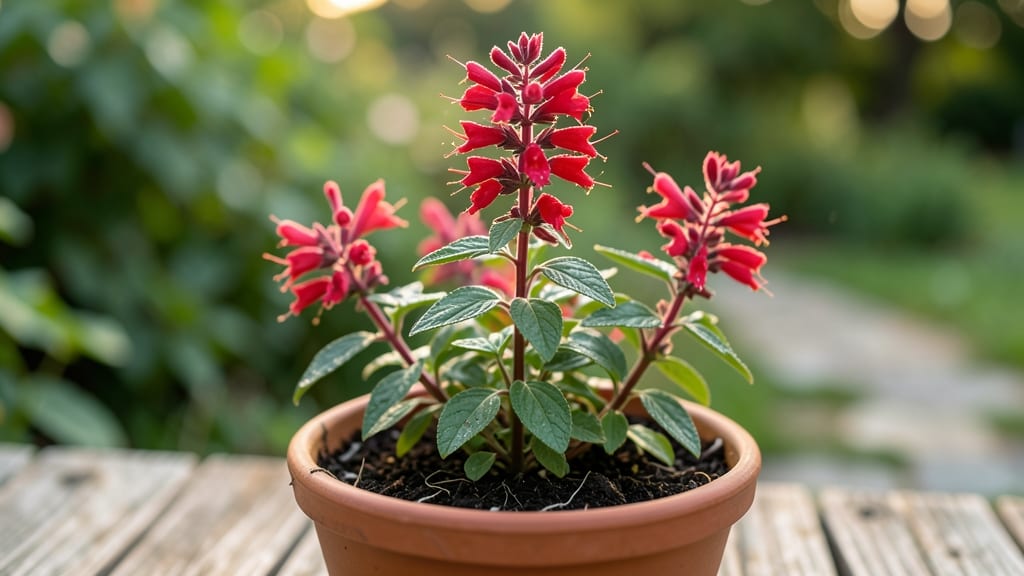
How tall do red salvias grow? They reach heights between 1 and 4 feet, depending on the variety and growing conditions — a range that makes them perfect for everything from window boxes to bold garden borders.
If you’re dreaming of vibrant red salvias but unsure how much space to allocate, knowing their mature heights is key — some varieties reach towering heights while others stay compact. Let’s break down exactly how tall different red salvias grow and which types suit your garden best.
For example, Salvia coccinea typically maxes out around 2 to 3 feet, making it ideal for small gardens or containers, while Salvia greggii can stretch to 3 to 4 feet in ideal conditions. Understanding these differences helps you plan for the right placement and care.
Below, we’ll compare popular red salvia varieties, discuss how to manage their growth, and share tips for keeping them thriving at their ideal heights — no matter how much space you have to work with.


Red Salvia varieties and their mature heights compared
Choosing red salvias for your garden starts with understanding their mature height—some varieties stay under 2 feet while others reach 4 feet or taller. This height variation lets you pick the perfect fit for containers, borders, or background planting.
Let’s compare the most popular red salvias and their growth habits so you can plan your garden layout with confidence.
The height differences between red salvia varieties can be dramatic. For example, Salvia coccinea often stays compact at 1-2 feet, while Salvia greggii varieties can stretch up to 3-4 feet.
Knowing these ranges helps you avoid overcrowding or underutilizing space. Let’s dive into the specifics with a side-by-side comparison.
If you’re working with limited space, Salvia coccinea and its dwarf varieties are ideal. These stay under 2 feet and thrive in containers or small garden beds. Their compact size makes them perfect for balcony gardens or window boxes where taller plants would overpower the area.
For larger landscapes, varieties like Salvia greggii 'Bloodfall' or Salvia leucantha 'Midnight' create stunning vertical interest. These can reach 3-5 feet, making them ideal for backdrop planting or pollinator-friendly borders. Just ensure they have enough room to spread without competing with other plants for sunlight and nutrients.
One of my favorite medium-height options is Salvia microphylla, which typically grows to 2-3 feet. This variety is versatile—it works well in mixed borders or as a pollinator magnet. Its semi-woody stems also add structure to garden designs, bridging the gap between compact and towering salvias.
When planning your garden, consider how height affects sunlight exposure. Taller salvias like Salvia leucantha may cast shadows on shorter plants below, so position them carefully. If you’re unsure, start with 1-2 foot varieties in front and gradually increase height toward the back of your beds.
Pruning plays a key role in managing red salvia heights. For varieties prone to legginess, like Salvia splendens, a mid-season trim can encourage bushier growth and prevent them from becoming too tall. Always use clean, sharp shears and cut just above a leaf node to promote new growth.
For container gardening, choose dwarf varieties or prune regularly to keep plants within their pots. A 1-gallon container works well for Salvia coccinea, while larger 5-gallon pots accommodate taller types like Salvia greggii. Just ensure containers have drainage holes to prevent root rot.
Remember, height isn’t the only factor—consider bloom time and color intensity too. For example, Salvia coccinea blooms continuously in warm climates, while Salvia leucantha offers late-season interest. Pairing different heights and bloom cycles creates a dynamic garden that thrives year-round.
Best red salvias for small gardens vs. large landscapes
Choosing the right red salvia depends entirely on your space. Compact varieties like Salvia coccinea 'Lady in Red' stay under 2 feet, perfect for window boxes or small pots. Meanwhile, towering Salvia greggii 'Furman's Red' can reach 3-4 feet, making it ideal for borders or large landscape statements.
The key is matching the variety to your garden's scale while planning for their mature height.
For small gardens, prioritize dwarf varieties that won’t overwhelm your space. These types thrive in containers and require minimal pruning. In contrast, large landscapes benefit from taller salvias that create dramatic vertical interest. Understanding these differences helps you avoid overcrowding or underutilized space in your design.
Red Salvia Height Comparison
Small Gardens (Under 2 ft)
- ✅ Salvia coccinea 'Lady in Red' - 12-18 in
- ✅ Salvia microphylla 'Hot Lips' - 12-15 in
- ✅ Salvia splendens 'Scarlet Queen' - 18-24 in
Ideal for containers, window boxes, or small borders. Requires minimal pruning.
Large Landscapes (3+ ft)
- ✅ Salvia greggii 'Furman's Red' - 3-4 ft
- ✅ Salvia leucantha 'Midnight' - 3-5 ft
- ✅ Salvia 'May Night' - 3-4 ft
Perfect for backyard borders, mixed beds, or privacy screens. Needs regular pruning to maintain shape.
Pro Tip: Use shear pruning in early spring to control height for both small and large varieties.
When selecting small-garden salvias, focus on Salvia coccinea varieties—they’re heat-tolerant and bloom prolifically. For large landscapes, Salvia greggii varieties offer both height and drought resistance. Always check your USDA zone compatibility, as some taller varieties struggle in colder climates without winter protection.
Pruning plays a crucial role in managing height. For compact varieties, a light trim after flowering keeps them tidy. For tall salvias, prune in late winter to encourage bushier growth.
Avoid heavy pruning in summer, as it can reduce blooming. Use clean, sharp pruning shears to prevent disease spread.
Consider companion planting to maximize space. Pair short salvias with trailing plants like lobelia in containers, while tall varieties look stunning behind ornamental grasses or shrubs. This creates visual layers without sacrificing your red salvias' impact. Always space plants based on their mature height to avoid competition.
Remember, soil quality affects growth too. Amend heavy clay with compost to prevent root rot in taller varieties. For container-grown salvias, use a well-draining potting mix with perlite to maintain optimal height.
With the right variety and care, your red salvias will thrive whether you have a tiny balcony or a sprawling backyard.