
Plants
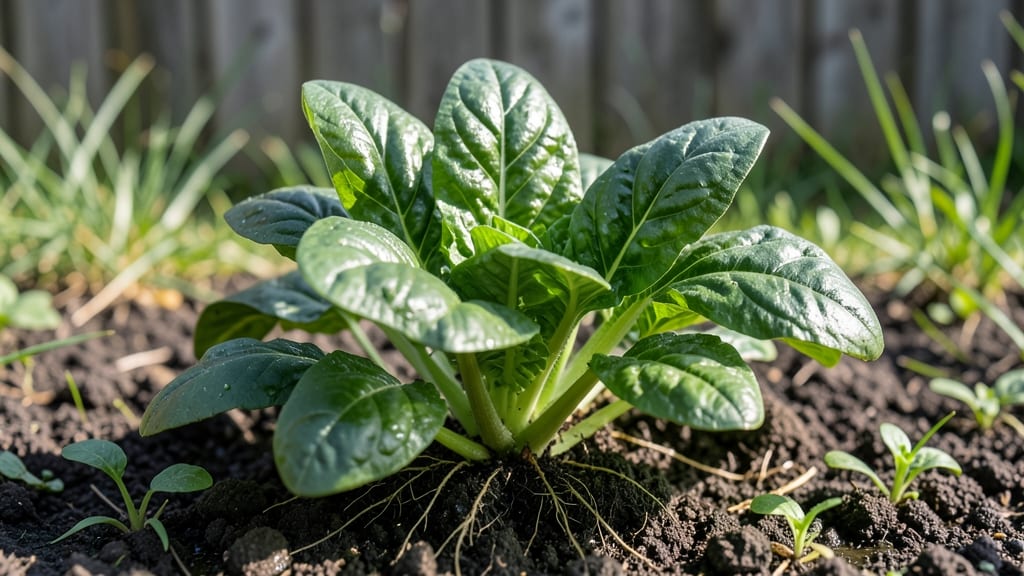
Spinach plants grow anywhere from just 6 inches to over 18 inches tall, depending on the variety and how you grow them.
Wondering if your backyard—or even a sunny windowsill—can accommodate spinach? The height of spinach plants can vary dramatically between varieties, from low-growing leafy types to towering stalks reaching nearly 3 feet.
This difference isn’t just about aesthetics—it directly impacts how you plan your garden. Compact varieties like 'Baby’s Leaf Hybrid' thrive in containers, while taller types need more space or vertical support.
Below, I’ll break down the height ranges for common spinach types, how to pick the right one for your space, and the key factors that keep them growing strong.


Spinach plant height by variety: compact leaf types vs. tall stalk varieties
When planning your spinach garden, one of the first questions I ask myself is how tall do spinach plants grow? The answer varies dramatically between varieties, from 6-inch dwarf types perfect for containers to 3-foot stalks that need vertical support.
Understanding these differences helps me maximize space and yield in my garden plots.
Spinach generally falls into two main growth categories: leaf types (baby leaf, savoy, flat-leaf) and stalk varieties (like 'Bloomsdale'). Leaf types stay compact, while stalk varieties develop thicker stems and taller growth habits. The right choice depends on your space constraints and harvest goals.
Baby leaf varieties like 'Baby's Leaf Hybrid' reach just 4-6 inches tall at harvest, making them ideal for windowsill gardens or succession planting. These varieties focus on rapid leaf production rather than vertical growth, delivering tender leaves in as few as 30 days.
Savoy varieties such as 'Tyee' grow slightly taller at 8-12 inches, with their distinctive crinkled leaves. Their upright growth habit makes them perfect for raised beds where you can stagger multiple harvests throughout the season.
| Variety Type | Height Range | Growth Habit | Ideal Spacing | Harvest Time |
|---|---|---|---|---|
| Baby Leaf ('Baby's Leaf Hybrid') | 4-6 inches | Prostrate, bushy | 3 inches apart | 30-40 days |
| Savoy ('Tyee') | 8-12 inches | Upright, bushy | 6 inches apart | 40-50 days |
| Flat-Leaf ('Giant Winter') | 10-14 inches | Bushy, spreading | 8 inches apart | 45-55 days |
| Stalk ('Bloomsdale Long Standing') | 24-36 inches | Tall, upright | 12 inches apart | 50-60 days |
For flat-leaf varieties like 'Giant Winter,' expect heights of 10-14 inches with broad, smooth leaves that store well. These varieties bridge the gap between compact baby leaves and tall stalks, offering a balance of harvest time and space efficiency.
The most dramatic difference appears in stalk varieties like 'Bloomsdale Long Standing,' which can reach 3 feet tall with thick, edible stems. These varieties require vertical support and wider spacing (12 inches apart) to prevent crowding and disease.
When planning your garden layout, I recommend grouping similar height varieties together. For example, place baby leaf types in containers on patios or along fence lines, while tall stalk varieties get dedicated space in the back of raised beds or along trellises.
One key factor affecting height is harvest timing. If you harvest outer leaves first from leaf types, you can extend their productive period by 4-6 weeks without letting them bolt. For stalk varieties, cutting the entire plant at once ensures maximum stem development.
For container gardening, I've found that baby leaf varieties thrive in 5-gallon pots with 3-4 plants per container. Meanwhile, taller varieties like 'Tyee' need at least 7-gallon pots to accommodate their root systems and prevent nutrient competition.
Remember that soil fertility and light conditions also influence height. Over-fertilizing with nitrogen can lead to leggy growth, while insufficient light causes plants to stretch toward any available sunlight. Aim for 4-6 hours of morning sun and rich, well-draining soil to maintain ideal plant stature.
How to choose spinach varieties based on garden space and growth goals
Selecting the right spinach variety isn't just about taste—it's about fitting your plants into your space while meeting your harvest goals.
Whether you're working with a small windowsill garden, a raised bed, or a vertical trellis system, the height and growth habit of your spinach will determine your success.
The key is matching your garden layout with varieties that thrive in those conditions while delivering the yield you want.
For example, baby leaf varieties like 'Baby's Leaf Hybrid' stay compact at just 6-12 inches tall, making them perfect for containers or tight spaces. Meanwhile, mature leaf types like 'Bloomsdale Long Standing' can reach 18-24 inches, ideal for larger beds where you want to harvest full-sized leaves.
Understanding these differences helps you avoid overcrowding and maximize your harvest area.
🌱 Here's how to match spinach varieties to your garden space:
-
🏺 Dwarf Varieties (6-12")
Perfect for
Containers
Windowsills
Examples: 'Baby's Leaf Hybrid,' 'Tiny Tower'
-
🌿 Mid-Height Varieties (12-18")
Ideal for
Raised Beds
In-Ground
Examples: 'Tyee,' 'Space'
-
🌳 Tall Varieties (18-24"+)
Best for
Vertical
Gardens
Examples: 'Bloomsdale Long Standing,' 'Giant Winter'
When choosing varieties, also consider your harvest timing goals. Baby leaf varieties mature in just 30-40 days, perfect for quick harvests or succession planting. In contrast, mature leaf types take 45-60 days but produce larger, more substantial leaves.
If you're growing for a fall harvest, opt for heat-tolerant varieties like 'Corvair' that resist bolting in warm weather.
For vertical gardening, tall varieties like 'Giant Winter' can reach 24 inches and thrive when trained along trellises or stakes. This not only saves ground space but also improves air circulation, reducing disease risk.
Just ensure your trellis is sturdy—spinach leaves can get heavy when fully mature! Pair vertical varieties with shorter companions like lettuce or radishes to create a layered, space-efficient garden.
Finally, think about bolting resistance, especially if you're growing in warmer climates or extending your season. Varieties like 'Space' and 'Corvair' are bred to handle heat better, staying productive longer. If you're planting in late summer or early fall, prioritize these types to avoid bitter, bolted leaves.
With the right variety, you can enjoy fresh spinach for 6-8 weeks or longer in ideal conditions.
Remember, the spacing guidelines matter just as much as the variety. Dwarf spinach needs 4-6 inches apart, while tall types should have 12-18 inches between plants.
Proper spacing ensures good airflow, prevents disease, and gives roots room to spread—all of which contribute to healthier, taller (or more compact, depending on your goal) plants. 🌿