
Size
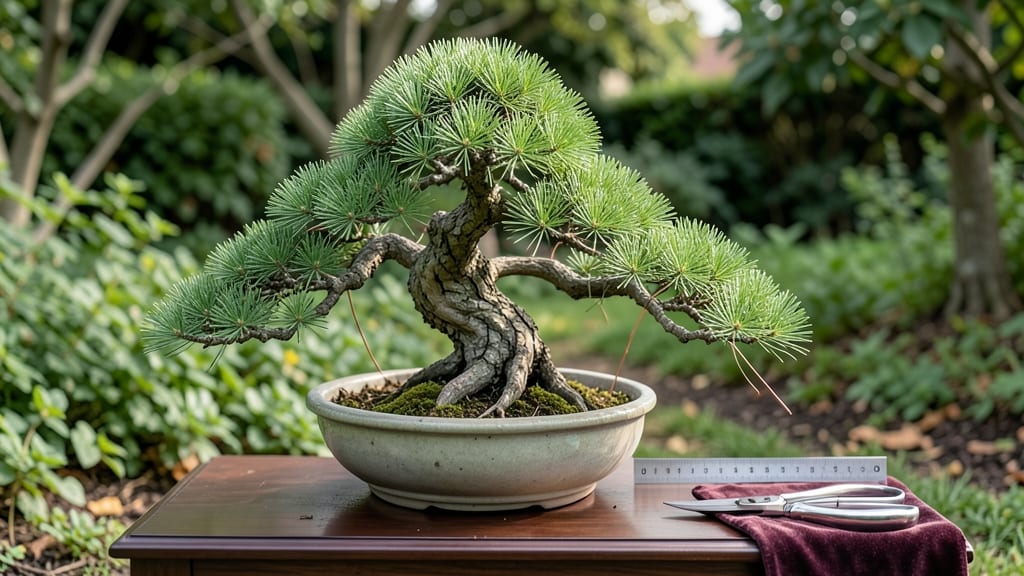
A bonsai tree grows anywhere from 6 inches to 3 feet tall, depending on the species, age, and the gardener’s patience 🌳 — and yes, that tiny size is entirely intentional.
Ever wondered if a bonsai tree could fit on your desk—or if it’ll one day need a ladder to prune? The height of your miniature masterpiece depends entirely on the species, care techniques, and styling goals.
Some varieties, like the dwarf juniper, stay under 12 inches even at maturity, while others, such as the towering ficus, can stretch toward 3 feet with proper care. The key lies in pruning, wiring, and root restriction—techniques that turn a fast-growing sapling into a lifelong work of art.
In this guide, I’ll break down height expectations by species, share the secrets to controlling growth, and reveal the most common mistakes that turn your bonsai into a vertical weed. Let’s get started.


Bonsai tree height ranges by species: tiny to towering miniatures
Choosing a bonsai species isn't just about aesthetics—it's about understanding height potential and growth habits. Some varieties stay tiny enough for desk displays, while others reach impressive miniature proportions.
The species you select determines whether your bonsai will remain a 6-inch tabletop treasure or grow into a 3-foot statement piece over decades.
Every bonsai begins as a seedling with unlimited potential, but through careful pruning, wiring, and root restriction, we guide its growth into a controlled masterpiece. Some species naturally stay compact, while others require aggressive height management to prevent them from outgrowing their containers.
Your choice depends on available space, desired maintenance level, and artistic vision.
Here's what you need to know about height expectations for popular bonsai species, including their natural growth rates and mature sizes when cultivated as bonsai.
| Species | Natural Height (ft) | Bonsai Height Range (inches) | Growth Rate | Best For |
|---|---|---|---|---|
| Juniper (Procumbens) | 10-30 | 6-24 | Slow | Beginners, outdoor displays |
| Ficus (Retusa) | 30-50 | 12-36 | Moderate | Indoor/outdoor, fast recovery |
| Azalea (Indica) | 6-12 | 8-20 | Slow-Moderate | Floral displays, cooler climates |
| Chinese Elm | 20-40 | 12-30 | Moderate-Fast | Indoor/outdoor, versatile |
| Japanese Maple | 15-25 | 10-24 | Slow | Outdoor, seasonal color |
| Pine (Black) | 40-80 | 18-48 | Slow | Outdoor, long-term projects |
| Serissa (Snow Rose) | 3-6 | 4-12 | Very Slow | Desk displays, delicate styles |
| Trident Maple | 15-25 | 12-30 | Moderate | Indoor/outdoor, vibrant foliage |
Juniper bonsai, particularly the Procumbens variety, are among the most popular for beginners because they naturally stay compact at 6-24 inches. Their slow growth rate makes them perfect for outdoor displays where they can develop beautiful graceful curves over time.
If you're working with limited space, consider the Serissa or Snow Rose, which max out at just 12 inches—ideal for desk placement.
The Ficus Retusa, commonly called the bonsai fig, offers more flexibility in height, typically reaching 12-36 inches when cultivated. This makes it suitable for both indoor and outdoor settings, though it requires more frequent pruning to control height compared to slower-growing species.
Its moderate growth rate means you'll see noticeable changes within
How to control bonsai tree height: pruning, wiring, and styling secrets
Mastering the height control of your bonsai tree transforms it from a wild sapling into a refined work of art. Whether you envision a desk-sized juniper or a tabletop ficus, precise techniques are key.
The secret lies in combining pruning, wiring, and root restriction—each playing a unique role in shaping your tree's future stature.
First, understand that natural growth varies by species. A juniper bonsai might reach 24 inches without intervention, while a dwarf azalea stays under 12 inches. Your goal is to guide—not restrict—growth.
Start with pruning during the tree's active growing season, typically spring and summer, to remove unwanted branches and encourage bushier, more compact forms.
Step-by-Step Height Control Guide
- 1 Prune for Structure: Use concave cuts above branch unions in spring to shape growth. Aim to remove 1/3 of new growth to maintain proportions.
- 2 Wire for Direction: Apply aluminum or copper wire (thickness: 1-3mm) to guide branch growth. Replace wire every 4-6 weeks to avoid scarring.
- 3 Restrict Roots: Repot every 2-3 years using smaller pots and root-pruning to limit nutrient uptake. Choose pots 1/3 the height of your desired bonsai.
- 4 Defoliate Selectively: Remove 1/3 of leaves in late spring to reduce growth vigor. Use sterilized scissors for clean cuts and avoid over-defoliating.
- 5 Monitor Light Exposure: Place bonsai in bright indirect light (4-6 hours daily). Avoid direct afternoon sun, which accelerates growth and weakens structure.
For dwarf varieties, like pomegranate or Chinese elm, combine these techniques with regular pinching of new shoots. Pinch back tips of new growth every 2-3 weeks during the growing season to encourage lateral branching. Remember, patience is key—bonsai growth is slow, and dramatic changes take years.
Seasonal adjustments are critical. In winter, reduce watering and avoid pruning entirely, as the tree enters dormancy. During summer, increase monitoring for overgrowth and adjust pruning frequency. A well-maintained bonsai grows at a controlled 1-2 inches per year, making incremental changes your best ally.
Pro tip: Keep a growth journal to track your bonsai's progress. Note pruning dates, wire adjustments, and seasonal changes. Over time, you'll develop an intuitive sense of when to intervene.
With consistent care, your bonsai will achieve the perfect height—whether it's a 6-inch tabletop treasure or a 2-foot statement piece. 🌿