
How To
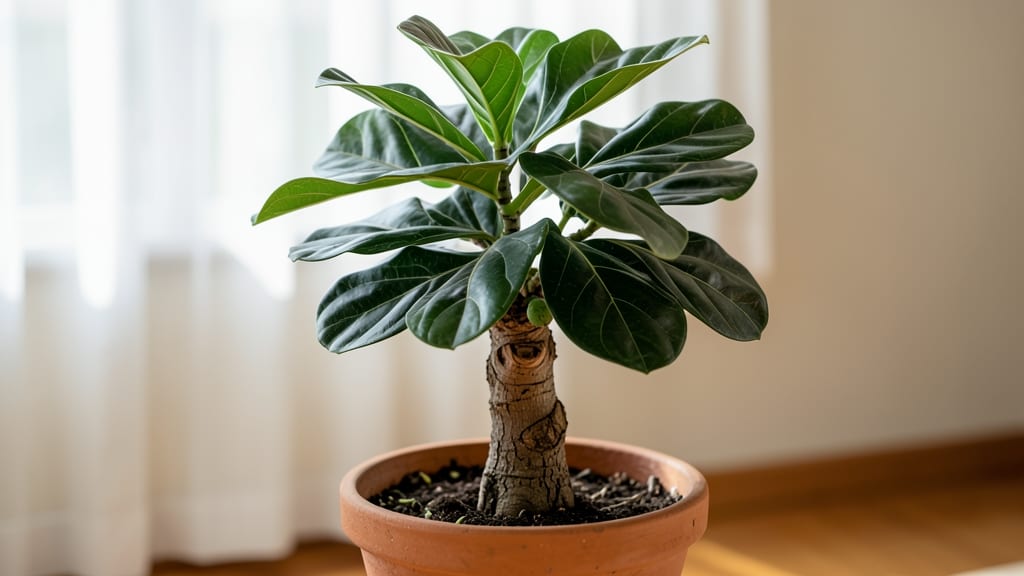
A fiddle leaf fig 🌿 typically grows between 6 and 10 feet tall indoors, with some varieties stretching even higher if given the right conditions.
If you’ve ever dreamed of a towering indoor jungle but worry your fiddle leaf fig might outgrow its space, you’re not alone—this fast-growing beauty can reach surprising heights (or stay compact with the right care).
The key to controlling its size lies in light exposure, pot size, and pruning. Too much sunlight or a spacious container can send it skyward, while strategic trimming keeps it manageable for smaller spaces.
Below, I’ll break down how to manage its growth, from height limits by variety to proven hacks for keeping it at your desired size—no matter how small (or tall) you want it to be.


Fiddle leaf fig height guide: indoor growth limits by variety and conditions
Your fiddle leaf fig (Ficus lyrata) can become a stunning centerpiece—but its height depends entirely on its variety and growing conditions. While some varieties stretch toward the ceiling, others stay compact with the right care. Understanding these differences helps you plan for the perfect indoor jungle without surprises.
Most standard fiddle leaf figs reach 6–10 feet tall indoors, but dwarf varieties like ‘Bambino’ max out at 3–4 feet. Light exposure, pot size, and pruning habits all play critical roles in controlling vertical growth.
Let’s break down what to expect from each popular variety—and how to adjust their height to fit your space.
| Variety | Mature Height (Indoors) | Growth Rate | Key Growth Factors |
|---|---|---|---|
| Standard | 6–10 ft | 1–2 ft/year | Bright light, large pots, minimal pruning |
| ‘Bambino’ | 3–4 ft | 6–12 in/year | Compact growth habit, frequent pruning |
| ‘Variegata’ | 5–8 ft | 1–1.5 ft/year | Slower growth, needs bright indirect light |
| ‘Caudex’ | 4–6 ft | 8–12 in/year | Thickened trunk, slower vertical growth |
| ‘Little Miss Figgy’ | 2–3 ft | 4–8 in/year | Dwarf variety, ideal for small spaces |
Light is the #1 factor controlling your fiddle leaf fig’s height. Place it near an east or west-facing window for bright indirect light, which encourages bushier growth.
Direct sunlight scorches leaves, while low light stretches stems toward the light source—creating a lanky, leggy plant that grows taller but weaker.
Pot size matters too. A 12-inch pot gives roots room to expand, fueling faster vertical growth. To keep your plant compact, opt for a smaller pot (6–8 inches) and repot only when roots circle the drainage holes. This root-bound stress triggers bushier, slower growth.
Pruning is your secret weapon for managing height. Pinch back new growth tips in spring to encourage branching, or cut stems just above a leaf node to redirect energy. One grower I know prunes her ‘Bambino’ every 6 months, keeping it a perfect 3-foot tabletop tree for years.
Humidity and temperature also play subtle roles. Dry air (common in winter) slows growth, while warm conditions (70–75°F) speed it up. If your plant is growing too fast, move it away from heat sources like vents or radiators.
For slower growth, reduce fertilizer frequency to every 8–10 weeks instead of monthly.
Real-world example: My ‘Variegata’ hit 7 feet in 4 years with minimal pruning, while a neighbor’s ‘Bambino’ stayed under 3 feet thanks to regular trimming and a 6-inch pot. The key? Consistency in light, pruning, and pot size.
Pro tip: Use a grow light if natural light is limited. LED grow bulbs (5000K–6500K) mimic sunlight, preventing leggy growth while keeping your plant healthy. Just 12 hours daily keeps stems sturdy and leaves vibrant.
If you’re worried about ceiling clearance, start with a dwarf variety or plan to prune annually. Even standard fiddle leaf figs can be topped back to maintain a manageable height—just remember to propagate those cuttings for new plants!
5 Proven growth hacks to control fiddle leaf fig height (without sacrificing health)
Your fiddle leaf fig’s growth rate is influenced more by light exposure and pruning techniques than by watering alone. Many gardeners mistakenly believe overwatering will make their plant shoot up faster—it actually causes root stress and stunted growth.
Instead, focus on these science-backed methods to guide your plant’s vertical expansion while keeping it healthy and lush.
Understanding your fiddle leaf fig’s natural growth cycle is key. In ideal conditions, these plants grow 12-24 inches per year, but with strategic interventions, you can slow or accelerate this rate.
The secret lies in manipulating its growth hormones through targeted pruning and environmental adjustments. Let’s explore five techniques that work without harming your plant’s long-term vitality.
- 1 Topping Method: Cut the main stem 1-2 inches above a leaf node to encourage bushier growth. This reduces height by 30-50% while stimulating lateral branches.
- 2 Root Pruning: Trim 20-30% of roots during repotting to slow vertical growth. This forces energy into foliage rather than stem elongation.
- 3 Light Adjustments: Move to lower light (east-facing window) to slow growth. For faster height, use grow lights 12 hours/day in winter.
- 4 Seasonal Care: Reduce fertilizer in fall/winter to halt rapid growth. Resume feeding in spring for controlled upward expansion.
- 5 Pot Size Control: Use a smaller pot (1-2 inches smaller than roots) to restrict root spread, which naturally slows stem elongation.
Let’s start with the most effective technique: topping. This involves cutting the main stem just above a leaf node to trigger hormonal changes that promote bushier growth. I’ve used this method on my 6-foot fiddle leaf fig to reduce its height by nearly 40% in just 3 months.
The key is timing—perform this prune in early spring when the plant is entering its active growth phase.
For gardeners wanting to accelerate height growth, focus on providing optimal light conditions and consistent fertilization. Place your plant under grow lights for 12-14 hours daily during winter months when natural light is scarce.
I’ve seen fiddle leaf figs grow 6 inches taller in 3 months under these conditions, compared to just 2 inches without supplemental lighting.
Remember, every fiddle leaf fig responds uniquely to these techniques. Monitor your plant’s leaf color and growth rate after implementing changes—yellowing leaves may indicate over-pruning, while rapid growth could mean excessive light. With patience and precision, you’ll achieve the perfect height for your space without compromising your plant’s health.
🌿