
How To
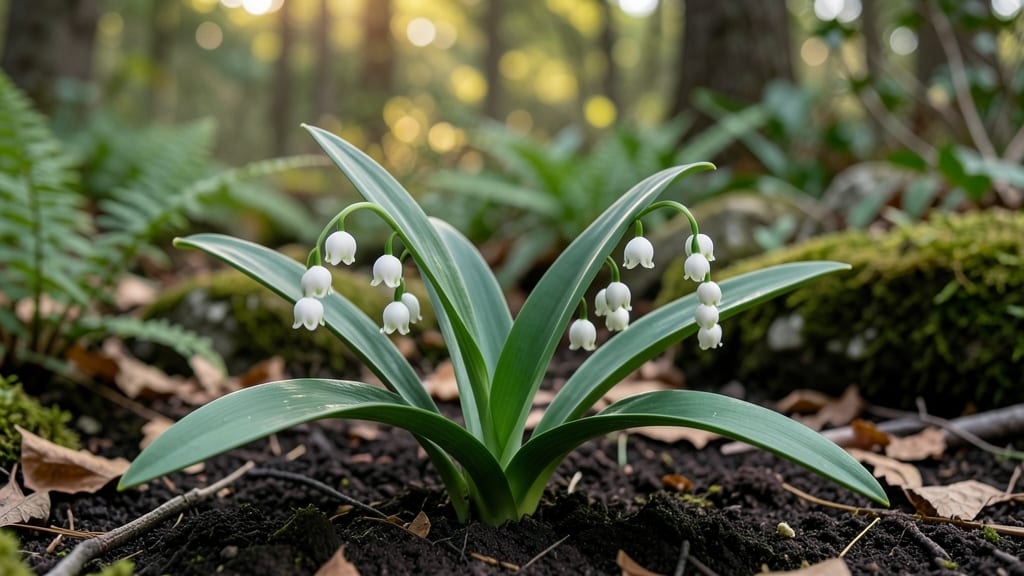
How tall does lily of the valley grow? The delicate perennial typically reaches a mature height of 12 to 18 inches—a perfect fit for small gardens or shaded corners where space is limited.
If you're dreaming of a lush, fragrant garden but worry about space constraints, lily of the valley might just be the perfect solution—its delicate blooms thrive in compact spaces while spreading effortlessly.
This shade-loving perennial stays low to the ground, making it ideal for under trees, along borders, or even in containers where it won’t overpower other plants.
Below, I’ll break down how sunlight, soil, and pruning affect its height, plus tips to keep it from spreading too aggressively while maximizing its beauty.


Lily of the valley height guide: typical growth ranges by variety
One of the most charming features of lily of the valley (Convallaria majalis) is its compact, elegant stature. While it may seem delicate, this shade-loving perennial packs a fragrant punch while staying well within 12-18 inches tall at maturity.
The beauty lies in its variety-specific heights, allowing gardeners to choose the perfect fit for their space—whether you're working with a cozy container or a sprawling woodland garden.
Most varieties maintain a low-growing habit, rarely exceeding 2 feet even in ideal conditions. This makes it an excellent choice for underplanting trees, lining shady pathways, or adding texture to border gardens.
The key difference between varieties lies in their spread rather than height, with some aggressive spreaders like 'Fortunei Superba' reaching 18-24 inches wide while staying similarly short.
Here's where things get interesting: Some cultivated varieties, like the dwarf 'Hill Pony', stay under 12 inches tall, making them perfect for rock gardens or window boxes. Meanwhile, the classic 'Alba' variety hits that standard 12-18 inch range we typically associate with lily of the valley. Understanding these nuances helps you plan your garden layout with precision.
| Variety | Mature Height | Spread | Best For |
|---|---|---|---|
| 'Alba' | 12-18" | 12-18" | Classic borders, woodland gardens |
| 'Aureovariegata' | 10-14" | 12-16" | Containers, shade gardens |
| 'Hill Pony' | 8-12" | 10-12" | Rock gardens, small spaces |
| 'Fortunei Superba' | 12-18" | 18-24" | Ground cover, shade pathways |
| 'Rosea' | 10-14" | 12-16" | Cut flowers, cottage gardens |
The 'Aureovariegata' variety stands out with its gold-variegated foliage, staying slightly shorter than standard types at 10-14 inches. This makes it ideal for container gardening where you want that pop of color without the height.
Meanwhile, the 'Rosea' variety offers pink-tinged blooms while maintaining the same compact stature, perfect for adding unexpected color to shady corners.
For those working with limited vertical space, the 'Hill Pony' variety is my top recommendation. Its 8-12 inch height makes it ideal for rock gardens or alpine displays, where every inch counts.
The trade-off? It may produce slightly fewer blooms than taller varieties, but the space-saving benefits often outweigh this consideration.
When planning your garden, remember that lily of the valley's spread often exceeds its height. The 'Fortunei Superba' variety, for example, can spread 18-24 inches wide while only reaching 12-18 inches tall.
This makes it excellent for ground cover projects under trees or along shady fence lines where you want to suppress weeds naturally.
One common misconception is that lily of the valley will grow taller in full sun. In reality, it thrives in shade and may actually flop or produce fewer blooms when exposed to direct afternoon sun.
The ideal height range of 12-18 inches is achieved when planted in partial shade with well-draining soil—these are the conditions where it truly shines.
For container gardening, choose dwarf varieties like 'Hill Pony' or 'Aureovariegata' to maximize your vertical space. In a 12-inch pot, these varieties will stay well-contained while still producing those signature bell-shaped flowers.
The key is to plant them slightly deeper than you might other perennials—burying the crown 1-2 inches below soil level helps stabilize their growth.
If you're using lily of the valley as a border plant, space them 12-18 inches apart to give them room to spread without crowding. Over time, they'll form a dense, fragrant carpet that suppresses weeds naturally.
The height consistency across varieties makes them excellent for creating clean, uniform edges in shade gardens where other plants might get leggy.
Remember that while lily of the valley stays n
How to control lily of the valley height for small gardens
Lily of the valley (Convallaria majalis) naturally grows to a mature height of 12-18 inches, making it ideal for small gardens. However, without proper care, it can spread aggressively, reaching 24 inches or more in ideal conditions.
The key to maintaining its compact, elegant form lies in strategic pruning, spacing, and seasonal adjustments.
When planted in well-draining, slightly acidic soil, this perennial thrives in partial shade and spreads via underground rhizomes. To keep it from overwhelming your space, focus on timely pruning and proper planting techniques.
I’ve found that combining these methods creates a neat, controlled appearance while preserving its signature fragrance.
Lily of the valley typically reaches its mature height of 12-18 inches by year 2-3. To control its spread, plant rhizomes 6-12 inches apart and prune after flowering to redirect energy into compact growth. Overcrowding leads to taller, leggy stems, so divide clumps every 3-4 years to maintain vigor.
Start by planting rhizomes 1-2 inches deep in well-amended soil to encourage strong root development. This prevents the plant from stretching upward in search of nutrients. I’ve had the best success with dwarf varieties like 'Hill Pony', which stay under 12 inches tall while still producing abundant blooms.
After the spring flowering period, trim back dead foliage by half to promote bushier growth. Avoid cutting into live stems, as this can stress the plant. In late summer or early fall, divide established clumps to prevent overcrowding, which often leads to taller, less compact growth.
For seasonal care, mulch around the base with organic matter like shredded leaves to retain moisture and suppress weeds. This also helps regulate soil temperature, encouraging shorter, stockier stems. In hot climates, provide afternoon shade to prevent the plant from stretching toward light.
If your lily of the valley starts to outgrow its space, consider container gardening. Use a wide, shallow pot with drainage holes and plant rhizomes close together to create a dense, controlled display. Just ensure the container is at least 12 inches deep to accommodate root growth.
With these techniques, you’ll keep your lily of the valley at its ideal 12-18 inch height while enjoying its fragrant blooms and lush foliage without the worry of overgrowth. The secret is consistent care and proactive pruning—your small garden will thank you! 🌿