
How To
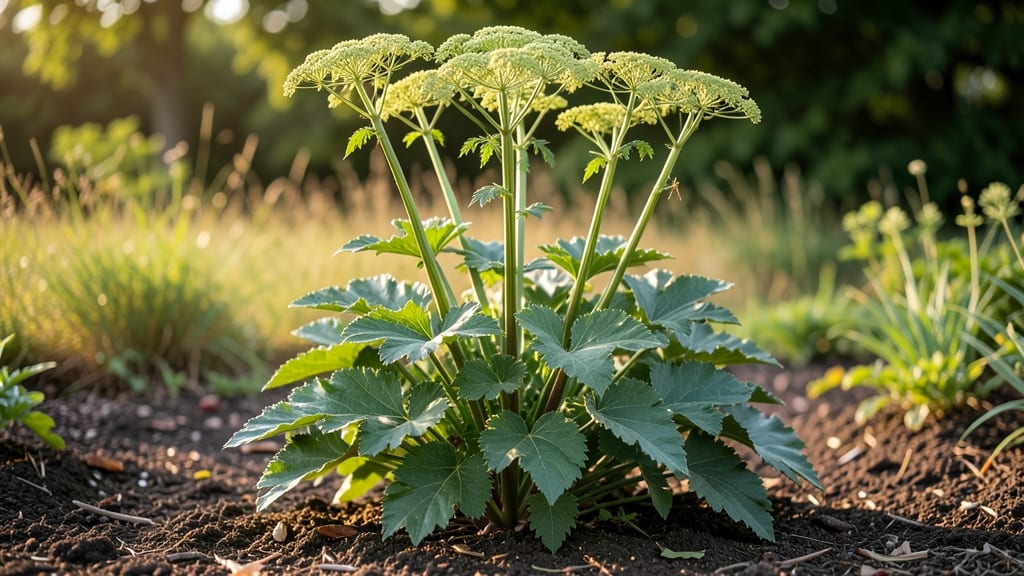
Lovage grows to a towering 5 to 6 feet tall 🌿, making it one of the most dramatic herbs in any garden.
If you’ve ever wondered whether lovage’s towering stems will outgrow your garden—or your patience—this perennial giant delivers both impressive height and bold flavors, making it a standout herb for culinary and ornamental spaces.
The key to managing its size lies in sunlight, soil, and pruning. In full sun, lovage can reach its maximum height, while partial shade keeps it slightly shorter but just as flavorful. With the right care, you can enjoy its culinary versatility without sacrificing your garden’s layout.
Below, I’ll break down how to control its growth, compare it to other tall herbs, and share tips for harvesting leaves and stems at their peak—so you can enjoy lovage’s height and its delicious rewards.


Lovage height guide: how tall it grows in different conditions
Lovage (Levisticum officinale) is a perennial powerhouse that can reach impressive heights of 6 to 8 feet under ideal conditions.
Whether you're growing it for its bold, celery-like flavor or as an ornamental backyard giant, understanding its growth patterns helps you plan your garden layout and care routine.
In its first year, lovage typically grows 2 to 3 feet tall, establishing a sturdy root system. By the second year, it can double in height, reaching 4 to 5 feet.
Once mature—usually by year three—lovage will top out between 5 and 6 feet, though some plants in perfect conditions can even surpass 8 feet.
Here’s a quick reference for lovage’s growth stages and how different conditions influence its height:
| Growth Stage | Height Range | Key Factors |
|---|---|---|
| Year 1 | 2–3 ft | Root establishment |
| Year 2 | 4–5 ft | Sunlight and soil nutrients |
| Mature (Year 3+) | 5–8 ft | Climate and pruning habits |
Sunlight is the biggest factor in lovage’s height. In full sun (6+ hours daily), it grows the tallest, but it also thrives in partial shade (4–6 hours). If your garden gets less than 4 hours of sun, expect slower growth and shorter stems.
Well-draining, rich soil packed with organic matter encourages lovage to reach its full potential. Amend clay or sandy soil with compost or aged manure to improve fertility. Lovage prefers a slightly alkaline pH (6.5–7.5), so test your soil and adjust if needed.
In cooler climates (USDA Zones 3–7), lovage grows taller because it focuses energy on height rather than flowering. In warmer zones (8–10), it may grow slightly shorter but produce more leaves. If you’re in a humid climate, watch for fungal issues that can stunt growth.
To control lovage’s height in small gardens, prune back stems by one-third in early spring or after harvest. This encourages bushier growth and prevents it from becoming too top-heavy. For container gardening, choose dwarf varieties or prune aggressively to keep it under 3–4 feet.
Lovage’s tall, architectural stems make it a stunning vertical accent in herb gardens or cottage-style landscapes. Pair it with shorter herbs like thyme or oregano to create visual contrast. Its fragrant leaves and seeds also attract pollinators, adding ecological value to your garden.
If you’re growing lovage for culinary uses, harvest leaves and stems before flowering for the best flavor. Regular harvesting actually stimulates bushier growth, so don’t hesitate to trim back stems throughout the growing season.
With the right conditions, lovage can become the centerpiece of your garden, offering both height and harvest for years to come. Just be prepared for its impressive stature—and the delicious rewards it brings! 🌿
Best ways to manage lovage’s height for small gardens
Lovage (Levisticum officinale) can reach 5 to 6 feet tall—or even 8 feet in ideal conditions—making it a challenge for compact gardens. But with smart pruning, staking, and harvesting techniques, you can keep this herb manageable while still enjoying its bold, celery-like leaves and stems.
The key is timing and consistency, especially during its first growing season when stems elongate rapidly.
If your garden space is limited, focus on early pruning to encourage bushier growth rather than tall, leggy stems. I’ve found that regular harvesting of the top leaves also prevents the plant from becoming too tall while maximizing your yield.
For container gardens, dwarf varieties or container-specific pruning can help, though lovage is best suited for in-ground planting.
Here’s how to control lovage’s height step-by-step, from planting to seasonal maintenance:
Choose a sunny to partially shaded spot with rich, moist soil. Lovage thrives in USDA Zones 3-9 and benefits from organic compost mixed into the soil at planting.
In spring (April-May), trim back 1/3 of the plant’s height to encourage lateral branching. Use clean, sharp pruning shears and cut just above a leaf node.
Pick outer leaves or stems in late spring to early summer to prevent flowering. Harvesting before flowering ensures flavorful leaves and discourages excessive height growth.
If stems exceed 4 feet, insert bamboo stakes or tomato cages to support them. This prevents flopping stems and keeps the plant contained in smaller garden beds.
Once flowers appear (July-August), trim back flowering stems to 1/2 their height. This redirects energy to leaf production and prevents seed formation, which can spread aggressively.
Apply a 2-3 inch layer of mulch (straw or shredded leaves) around the base in early spring. This suppresses weed competition and keeps the plant’s energy focused on leafy growth rather than height.
To renew vigor and control size, divide mature clumps in early spring. Dig up the plant, separate the root crowns, and replant sections 12-18 inches apart.
For container gardening, choose a large pot (at least 12 inches wide) and prune more aggressively to prevent root-bound stress. I’ve successfully grown lovage in 5-gallon buckets by harvesting leaves every 2-3 weeks and trimming stems to 2 feet tall during summer.
Remember, lovage’s height isn’t just a challenge—it’s an opportunity! Use its tall stems as a natural privacy screen or culinary focal point in your herb garden. With these techniques, you’ll enjoy abundant leaves without sacrificing your garden’s layout.
🌿