
How To
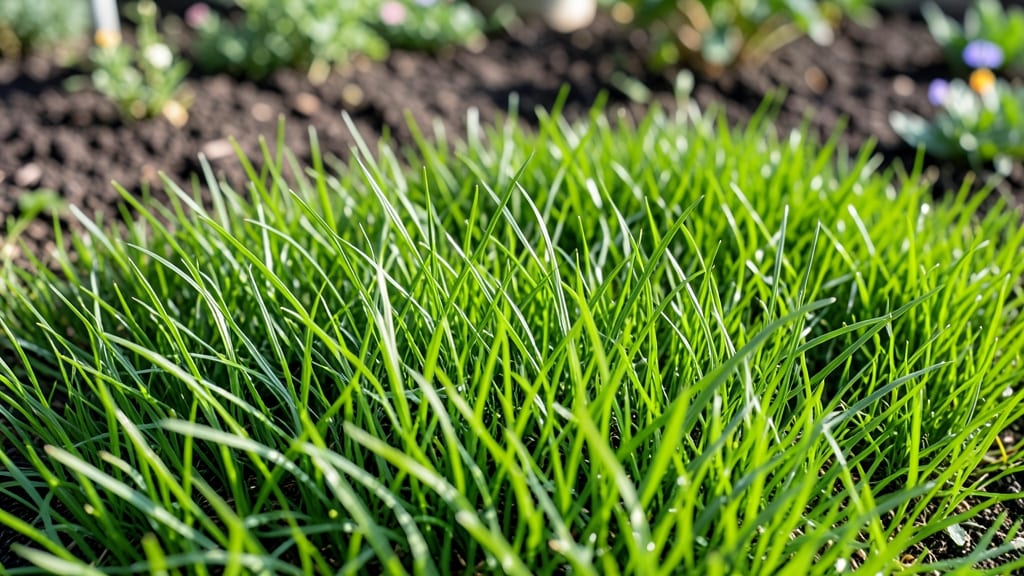
How tall does perennial ryegrass grow? It typically reaches between 12 and 24 inches at maturity, though the exact height depends on the variety and how you manage it.
If you're considering perennial ryegrass for your lawn, pasture, or erosion control project, knowing its mature height is crucial—but varieties can vary dramatically. From low-growing turf types to towering pasture blends, here’s what you need to measure before planting.
Most turf varieties stay on the shorter side, ideal for lawns and sports fields, while pasture blends can reach nearly 2 feet when left uncut. The key to controlling its height lies in mowing frequency, soil fertility, and climate.
Below, I’ll break down the height ranges by variety, how to choose the best type for your needs, and the 5 factors that influence growth—so you can get the results you want.


Perennial ryegrass height ranges by variety: what to expect
Perennial ryegrass (Lolium perenne) is a versatile grass with height variations that depend entirely on its variety and intended use. While some types stay compact for turfgrass lawns, others grow tall for pasture grazing.
Understanding these differences helps you choose the right type for your project—whether it's a putting green or a livestock pasture.
Turf-type varieties typically mature between 1.5 to 3 inches when mowed regularly, making them ideal for residential lawns. In contrast, pasture blends can reach 12 to 24 inches or more when left unmowed.
The key difference lies in their genetic makeup and how they respond to mowing frequency and nutrient levels.
🌱 Perennial Ryegrass Height Comparison by Variety
| Variety Type | Mature Height (Unmowed) | Mowed Height (Turf) | Best Use |
|---|---|---|---|
| Dwarf Turf Varieties | 6–12 inches | 1.5–2.5 inches | Putting greens, golf courses |
| Medium Turf Varieties (e.g., 'Barlexas') | 10–18 inches | 2–3 inches | Residential lawns, sports fields |
| Tall Pasture Varieties (e.g., 'Great Lakes') | 18–24+ inches | 3–4 inches (if mowed) | Cattle pastures, hay production |
| Erosion Control Blends | 12–20 inches | 2–3 inches (if managed) | Slopes, highways, stormwater areas |
For example, the 'Barlexas' variety is a popular medium-height turfgrass that stays around 10–18 inches when unmowed but thrives at 2–3 inches when mowed weekly—a perfect choice for family lawns.
Meanwhile, the 'Great Lakes' blend is engineered for pasture systems, often exceeding 24 inches to provide ample forage for livestock.
If you're planting for erosion control, taller varieties like 'Accent II' or 'Cerro' are ideal, as their 12–20 inch height helps stabilize soil while requiring minimal maintenance. These blends also tolerate foot traffic better than delicate turf types, making them great for public parks or schoolyards.
One common misconception is that all perennial ryegrass grows the same height. In reality, mowing height is the biggest factor—cutting it shorter forces it to stay compact, while leaving it grow wild can lead to overgrowth and seed production, which is undesirable in lawn settings.
Always check the variety label for recommended mowing heights to maintain your desired look.
For sports fields, varieties like 'Penncross' or 'Manhattan' are favored because they maintain a 3–4 inch height when mowed, offering durability under heavy use. These types are bred to recover quickly from wear, making them a staple in football fields and soccer pitches.
When selecting seeds, pay attention to whether the blend is labeled as "turf-type" or "pasture-type"—this distinction directly impacts height. Turf-type grasses are bred to stay shorter, while pasture types prioritize yield and biomass, often growing significantly taller. Mixing the two can lead to an uneven lawn or pasture.
Pro tip: If you're unsure about height expectations, start with a small test plot before committing to a full planting. This lets you observe how the variety performs in your specific climate and soil conditions before scaling up. Most nurseries offer sample packs for this exact purpose!
Remember, height isn't fixed—it’s influenced by factors like fertilizer use, watering schedule, and seasonal growth cycles.
With the right care, even a "tall" pasture variety can be managed to fit a lawn setting, and a "dwarf" turf type can thrive in a wildflower meadow if left unmowed.
How perennial ryegrass height affects its best uses
Perennial ryegrass isn't just one-size-fits-all—its height range determines where it thrives. Dwarf varieties (3–6 inches) excel in high-traffic areas, while tall pasture blends (12–24 inches) dominate livestock fields.
Choosing the right height ensures your project succeeds, whether you're seeding a golf course or stabilizing a hillside. Let’s match your needs to the perfect grass type.
For lawns and sports fields, shorter varieties (6–12 inches) create a dense, resilient surface. These types recover quickly from wear, making them ideal for putting greens or soccer fields.
In contrast, tall-growing varieties (18–24 inches) thrive in pastures and erosion control, where their height helps absorb water and protect soil. The right choice depends entirely on your goals.
🌱 Key Height Zones for Perennial Ryegrass:
- 3–6 inches: Dwarf turf for golf greens, walkways, and high-traffic areas
- 6–12 inches: Standard lawn blends for residential yards and sports fields
- 12–18 inches: Pasture mixes for cattle and horses, with dense regrowth
- 18–24 inches: Erosion control on steep slopes or waterways
If you're seeding a home lawn, opt for 6–12 inch varieties like 'Barlexas' or 'Great Lakes.' These stay lush under mowing while resisting weeds. For livestock grazing, taller types like 'Marshall' or 'Pennfine' provide ample forage and recover faster after grazing.
Always check the mature height label—it’s the best predictor of performance.
Erosion control projects demand the tallest perennial ryegrass (18–24 inches) to stabilize soil and slow runoff. Varieties like 'Cerritos' or 'Ranger' form dense root systems that hold slopes together.
Plant these in fall or early spring for best establishment, and avoid overgrazing to maintain their protective canopy. The taller the grass, the better it fights erosion.
For sports fields, especially football or soccer pitches, medium-height blends (8–12 inches) strike the balance between durability and playability. These varieties tolerate heavy foot traffic while still allowing quick recovery.
Always mow at 1.5–2.5 inches to keep the field safe and even. Avoid cutting too short—this stresses the grass and invites weeds.
Remember, height isn’t set in stone. With proper mowing height, fertilization, and watering, you can influence growth slightly. For example, raising your mower blade encourages taller growth, while frequent clipping keeps it short.
Match your maintenance to the grass’s natural tendencies, and you’ll get the perfect fit for your project. 🌿