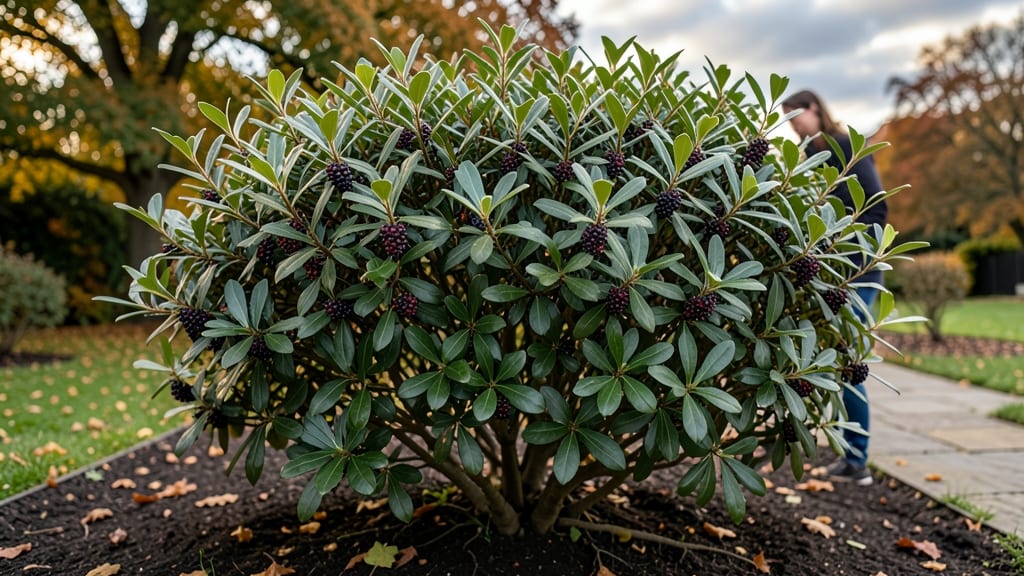
Privet shrubs grow between 6 and 15 feet tall, depending on the variety, making them a fast-growing favorite for hedges and privacy screens 🌿.
If you're dreaming of a lush, fast-growing hedge but struggling with space constraints, privet might be the perfect solution—yet many gardeners overlook its dramatic height potential and pruning quirks.
Common privet varieties like Ligustrum vulgare can reach 10 to 15 feet in just a few years, while dwarf types stay compact at 3 to 5 feet.
The key to controlling their height lies in proper pruning and spacing, which we’ll break down to help you shape your hedge exactly how you want.
Below, you’ll discover how to choose the right variety for your space, the best pruning techniques for dense growth, and pro tips to speed up height and thickness—so you can enjoy a thriving privet hedge in no time.
Privet hedge height by variety: fast-growing types & mature sizes
Choosing the right privet variety can transform your garden with a fast-growing hedge that fits your space perfectly. While all privets offer dense foliage and low-maintenance care, their mature heights vary dramatically—from compact 3-foot dwarf types to towering 15-foot giants.
Understanding these differences helps you plan for ideal spacing and pruning needs before planting.
Privet hedges are prized for their versatility and adaptability, thriving in USDA Zones 5-9 with minimal fuss. However, their growth rates and final heights depend entirely on the species.
For example, English privet (Ligustrum vulgare) can reach 10-15 feet in ideal conditions, while Japanese privet varieties often stay under 6 feet without aggressive pruning.
Below, I’ve compared the most popular privet varieties—including their mature heights, annual growth rates, and ideal spacing for a lush, uninterrupted hedge. Use this guide to pick the perfect fit for your landscape design, whether you need a privacy screen or a low-maintenance border.
| Variety |
Mature Height |
Annual Growth |
Ideal Spacing |
Best For |
| English Privet (Ligustrum vulgare) |
10–15 ft |
12–24 in |
3–4 ft apart |
Tall privacy screens |
| Chinese Privet (Ligustrum sinense) |
6–10 ft |
10–18 in |
2–3 ft apart |
Medium-height hedges |
| Japanese Privet (Ligustrum japonicum) |
3–6 ft |
6–12 in |
1.5–2 ft apart |
Low borders, foundation plants |
| Wax Leaf Privet (Ligustrum japonicum 'Vicaryi') |
4–6 ft |
8–12 in |
2 ft apart |
Dwarf hedges, containers |
| Dwarf Privet (Ligustrum ovalifolium 'Aureum') |
3–5 ft |
How to control privet height: pruning secrets for dense, compact growth
Privet hedges grow fast, but without proper pruning, they can quickly outgrow their space. The key to maintaining your desired height lies in understanding seasonal pruning and growth habits.
Whether you're dealing with a 6-foot dwarf or a 15-foot standard variety, these techniques will keep your privet lush and compact.
Most gardeners make the mistake of pruning at the wrong time or using the wrong method, leading to leggy growth or sparse foliage. The secret? Timing and precision. Prune too late, and you risk stunted growth; prune too early, and you encourage weak, floppy branches.
Let’s break down the step-by-step process to keep your privet at the perfect height.
Step 1: Early Spring Pruning (March-April)
Goal: Shape the hedge and encourage dense growth for the season. Cut back overgrown branches by 1/3 their length, focusing on the outer edges to maintain a neat shape.
Step 2: Summer Light Pruning (June-July)
Goal: Remove sparse or leggy branches to maintain compactness. Trim individual stems rather than large sections to avoid shocking the plant. This step keeps the hedge full and bushy throughout the summer.
Step 3: Late Summer Cleanup (August-September)
Goal: Remove dead or diseased wood and crossing branches to improve airflow. This prevents fungal issues and keeps the hedge healthy for winter. Avoid heavy pruning—just tidy up the edges.
Step 4: Winter Dormant Pruning (November-February)
Goal: Prune only if necessary—dormant privet is less stressed. Remove old wood or branches that compete for space. This is the best time to reshape drastically if needed, but avoid heavy cuts in late winter.
One of the biggest mistakes gardeners make is pruning at the wrong time. For example, cutting back privet in late fall can leave it vulnerable to winter damage, while pruning in late summer may stimulate tender new growth that won’t harden off before frost.
Always follow the seasonal calendar above to avoid these pitfalls.
To maintain a dense, compact privet hedge, focus on regular light pruning rather than one heavy cut per year. Use sharp, clean shears to make 45-degree cuts just above a leaf node.
This encourages branching and keeps the hedge full and healthy. Avoid cutting into old wood, as privet struggles to regrow from there.
For extra-thick growth, consider layering pruning—trim the top third of the hedge in early spring, then lightly prune the middle and bottom layers in summer. This creates a gradual density from top to bottom, making your privet look lush and well-maintained year-round.
With these pruning secrets, your privet will stay at your desired height while remaining dense and vibrant. Happy gardening! ✂️🌿
★★★★★4.5(7 reviews)
|