
How To
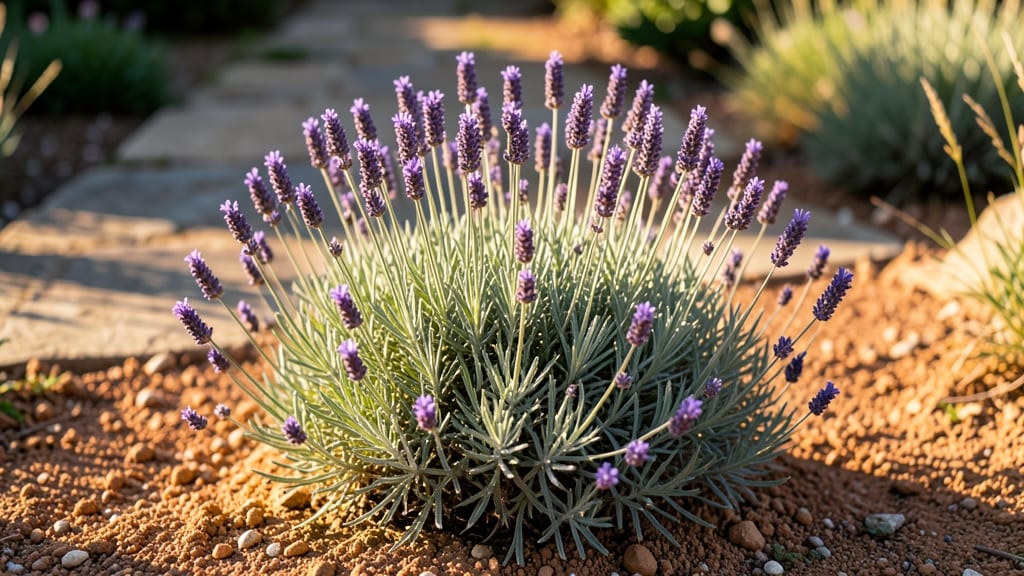
Spanish lavender grows between 1 and 3 feet tall depending on the variety and growing conditions, making it a versatile choice for borders, hedges, or even container gardens.
If you're dreaming of fragrant, purple-hued blooms but worried about this hardy perennial taking over your garden, you’re in the right place.
Some varieties stay compact at just 12 inches, while others reach nearly 4 feet—so let’s explore how to control its height and choose the perfect type for your space.
This Mediterranean beauty thrives in full sun and well-draining soil, which directly impacts its growth. Too much water or rich soil can send it shooting upward, while proper pruning keeps it bushy and at your desired height.
Below, I’ll break down the most popular varieties, share pruning tips to maintain your preferred size, and explain how sunlight, soil, and climate influence how tall your 🌸 Spanish lavender will grow.


Spanish lavender height by variety: compact vs. tall types explained
Choosing the right Spanish lavender variety is key if you want to control your garden's height and shape. Unlike its English cousin, Lavandula stoechas offers dramatic variation—from dwarf varieties perfect for window boxes to tall types that create stunning borders.
The difference often comes down to genetics and growing conditions, so let's explore the spectrum to help you pick the perfect fit for your space.
Spanish lavender's mature height can vary from just 12 inches to over 4 feet tall, making it incredibly versatile. Whether you're designing a container garden or a privacy hedge, understanding these differences will help you achieve your vision without unwanted surprises.
The varieties we'll cover today represent the most popular options available to home gardeners.
Mature height isn't the only factor—growth habits matter too. Some varieties grow upright while others spread wider, creating a bushier appearance. This distinction is crucial when planning your garden layout, especially if you're working with limited space or need to create specific visual effects like tiered planting or color contrasts.
The 'Anouk' variety is my go-to for small spaces—its 12-18 inch height fits perfectly in window boxes or between stepping stones. This dwarf Spanish lavender produces the same fragrant blooms as its taller cousins but stays contained, making it ideal for urban gardens or balconies.
I've seen it thrive in 10-inch pots with minimal pruning, which is a game-changer for container gardening.
For medium-height options, 'Otto Quast' and 'Papillon' strike the perfect balance at 18-30 inches. These varieties create beautiful hedge lines or border plantings while still being manageable for most gardeners.
Their spreading habit makes them excellent for softening edges between lawns and flower beds, and they produce abundant purple blooms that attract pollinators.
When you need tall Spanish lavender for dramatic impact, 'Phenomenal' and 'Willow Vase' reach 30-48 inches at maturity. These varieties create stunning vertical accents in garden designs and work beautifully as privacy screens or backdrop plants.
I've used 'Willow Vase' as a focal point near entryways—its vase-shaped growth adds architectural interest while maintaining the signature lavender fragrance.
All Spanish lavender varieties share similar care requirements, which makes them low-maintenance once established. They thrive in well-draining soil with full sun exposure (6+ hours daily) and minimal watering once rooted.
The key difference in height comes from their genetic growth patterns, though pruning habits can influence their ultimate size. Regular spring pruning helps maintain compact forms, while
How to prune Spanish lavender for controlled height and bushier growth
Pruning Spanish lavender (Lavandula stoechas) is the secret to keeping it compact, bushy, and blooming year after year. Without regular trimming, your fragrant beauty can become leggy and woody, losing that lush, fragrant look you love.
The good news? With the right techniques, you can control its height—whether you want a neat 12-inch hedge or a towering 3-foot specimen—while encouraging more branches and flowers.
Timing and technique are everything. Prune at the wrong time, and you might stunt blooms or damage the plant. Prune at the right time, and you’ll reward yourself with denser foliage, more flowers, and a shape that fits your garden perfectly.
Let’s dive into the step-by-step method that works every time for me—and thousands of other gardeners.
Step-by-Step Pruning Guide
- 1 Wait for the right time: Prune right after flowering (late summer, around August) to avoid cutting off next year’s buds. Never prune in fall or winter, as this can leave your plant vulnerable to cold damage.
- 2 Gather your tools: Use clean, sharp pruners or hedging shears to make precise cuts. Disinfect your tools with rubbing alcohol to prevent spreading disease between plants.
- 3 Shape the plant: Remove up to one-third of the current year’s growth from the top and sides. Focus on cutting back leggy stems to encourage new branching lower down.
- 4 Avoid cutting into old wood: Never trim into the brown, woody stems at the base. These won’t regrow, and you’ll end up with bare patches. Always leave green growth when pruning.
- 5 Clean up and mulch: Remove all pruned debris from the area to prevent pests or disease. Apply a 2-inch layer of mulch (like gravel or pine straw) to protect roots and retain moisture.
For dwarf varieties (like 'Kew Red'), keep cuts light and minimal—just enough to shape. For taller types (like 'Anouk'), you can be more aggressive with pruning to encourage height and bushiness. Always step back and check your shape from a distance to ensure it looks balanced.
One common mistake I see is pruning too late in the season. If you wait until fall or winter, you’ll cut off next year’s flower buds, leaving your lavender bare and leafless for months.
Another pitfall? Using dull shears, which crush stems instead of making clean cuts. This can invite disease and slow recovery.
With consistent pruning, your Spanish lavender will stay lush, fragrant, and perfectly sized for years. Plus, you’ll enjoy more blooms and a fuller shape—because who doesn’t love a thriving, beautiful plant? 🌿