
How To
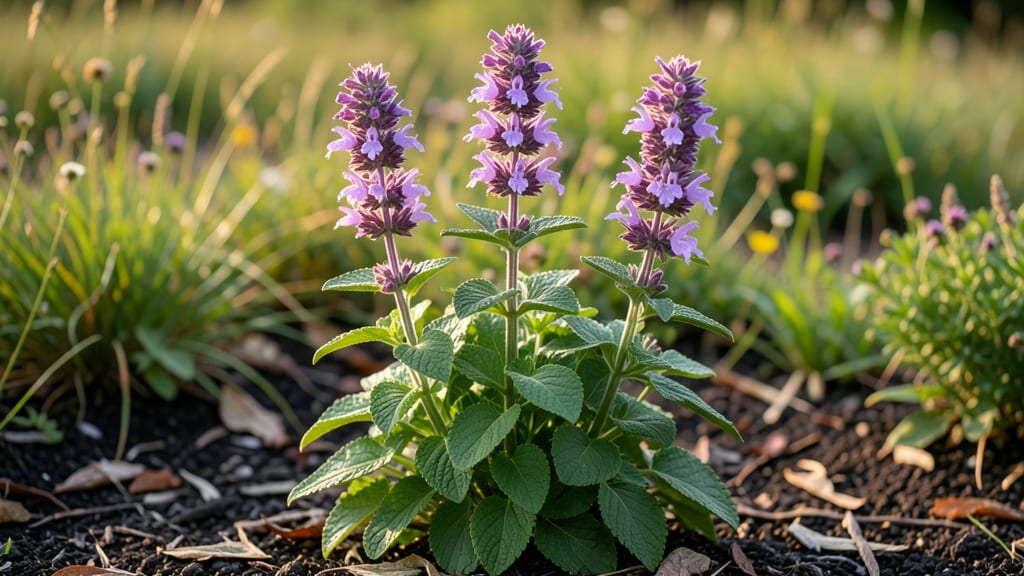
How tall does wild bergamot grow? At maturity, it typically reaches between 3 and 5 feet, making it a striking mid-height perennial for pollinator-friendly gardens 🌸.
But here’s the catch: its height depends entirely on where you plant it.
In rich, well-drained soil with full sun, it stretches toward the upper end of that range, while poor soil or shade can keep it closer to 2 feet—which means your garden design choices matter more than you might think.
This native beauty isn’t just about height—it’s also a magnet for bees, butterflies, and hummingbirds. If you’re balancing it with other plants, knowing its growth habits helps you create layers that look intentional and thrive together.
Below, I’ll break down how to encourage (or rein in) its height, plus when and why to prune for the best blooms all season.


Wild bergamot height range: what to expect in different growing conditions
Wild bergamot (Monarda fistulosa) is a versatile native perennial that can reach dramatically different heights depending on where you live and how you care for it.
In ideal conditions, it typically grows between 3 to 5 feet tall, but I've seen it stay as short as 1 to 2 feet in less favorable environments. Understanding these variations helps you plan your garden layout and companion plantings effectively.
The height of wild bergamot is heavily influenced by three key factors: sunlight exposure, soil quality, and climate conditions. For example, plants in the eastern US often grow taller due to richer soils, while those in the western US may stay shorter due to drier conditions.
Let's explore how these factors interact to shape your plant's mature height.
| Growing Condition | Height Range | Regional Notes |
|---|---|---|
| Full Sun (6+ hours/day) | 3-5 feet | Eastern US: Tallest growth in rich soils |
| Partial Sun (3-6 hours/day) | 2-3 feet | Western US: Shorter due to drier climates |
| Poor, rocky soil | 1-2 feet | Any region: Stunted growth without amendments |
| Well-drained, fertile soil | 4-5 feet | Midwest US: Ideal conditions for maximum height |
| Container growth | 2-3 feet | Anywhere: Root-bound plants stay shorter |
In the eastern US, wild bergamot often reaches its maximum height of 4 to 5 feet when planted in well-drained, slightly acidic soil with full sun exposure. The rich, loamy soils common in states like Ohio and Pennsylvania provide ideal nutrients for vigorous growth.
I've noticed that in these regions, the plants develop thicker stems and more abundant blooms, which contributes to their taller stature.
Conversely, in the western US, particularly in states like Colorado or Utah, wild bergamot typically stays between 2 to 3 feet tall. The drier climate and thinner, sandy soils limit its growth potential.
However, these shorter plants often produce more concentrated fragrance in their flowers, making them equally valuable for pollinators despite their reduced height.
Soil quality plays a crucial role in determining height. When planted in poor, rocky, or compacted soil, wild bergamot may only reach 1 to 2 feet. To encourage taller growth, I recommend amending your soil with compost or organic matter before planting.
This improves drainage and provides essential nutrients that support vigorous growth. Even in challenging conditions, wild bergamot remains adaptable and will still produce beautiful flowers.
Pruning can also significantly influence your wild bergamot's height. If you want to encourage bushier, shorter growth, I suggest pruning back one-third of the plant in early spring. This stimulates lateral branching and prevents the plant from becoming too leggy.
On the other hand, if you prefer a taller, more upright form, avoid heavy pruning and let the plant grow naturally. Deadheading spent blooms throughout the summer will also promote continuous flowering and maintain a neat appearance.
Climate also affects height, particularly temperature extremes. In cooler northern climates, wild bergamot may grow more slowly and stay shorter, while in warmer southern regions, it can reach its full height more quickly.
I've observed that plants in USDA zones 5-7 often achieve the most balanced growth, with heights around 3 to 4 feet. If you're in a zone with harsh winters, consider mulching around the base to protect the roots and encourage stronger regrowth in spring.
For container gardening, wild bergamot typically stays between 2 to 3 feet tall due to root restriction. If you're growing it in pots, choose a container that's at least 12 inches deep to accommodate its root system.
Regularly check for root-bound conditions and repot every 2-3 years to give the plant room to grow taller. Container-grown wild bergamot still attracts pollinators and adds beautiful color to patios or balconies.
One final tip: If you're planting wild bergamot near other perennials, consider its mature height when spacing. Give it 2 to 3 feet of space on all sides to prevent overcrowding.
In a pollinator garden, pair it with shorter plants like black-eyed Susans or coneflowers to create a layered effect. This not only maximizes visual appeal but also supports a diverse ecosystem of beneficial insects.
Remember, wild bergamot's height is just one aspect of its charm. Whether it grows tall and majestic or stays compact, it's a low-maintenance, drought-tolerant plant that thrives with minimal care. With the right conditions, you'll enjoy its fragrant blooms and pollinator-friendly qualities for years to come. 🌸
How to control wild bergamot height for garden design
Wild bergamot (Monarda fistulosa) can reach 3 to 5 feet tall under ideal conditions, but its height is highly adaptable. Whether you want a compact pollinator border or a tall meadow backdrop, pruning and spacing are your best tools.
The key is timing—cut back at the right moments to encourage bushier growth or maintain a shorter stature without sacrificing those vibrant purple blooms that butterflies adore.
For taller wild bergamot, let it grow naturally in well-draining soil with full sun exposure. If you prefer a shorter stature, prune aggressively in early spring or after flowering.
This method also promotes denser foliage and prevents flopping, especially in humid climates. I’ve found that regular deadheading keeps plants compact while extending the blooming season.
- 1 Natural Height: Wild bergamot typically grows 3–5 feet in full sun with rich soil. In partial shade, expect 2–3 feet.
- 2 Pruning for Height: Cut back by ⅓ in early spring to control height and encourage bushier growth. For shorter plants, prune again after flowering.
- 3 Spacing Matters: Plant 18–24 inches apart for full-size plants. For containers or borders, reduce spacing to 12 inches and prune regularly.
- 4 Companion Plants: Pair with shorter perennials like coneflowers (Echinacea) or black-eyed Susans to create layered pollinator gardens without height competition.
- 5 Deadheading Tip: Remove spent blooms to prevent self-seeding and redirect energy into new growth, keeping plants neat and compact.
If you’re using wild bergamot in container gardens, choose compact varieties or prune aggressively to keep heights under 2 feet. I’ve successfully grown it in 10-gallon pots by pinching back stems in early summer.
Just ensure the container has drainage holes to prevent root rot, which can stunt growth.
For pollinator-friendly meadows, let wild bergamot reach its natural height to create vertical interest. Pair it with tall grasses like switchgrass or little bluestem for a wild, natural look.
In my own garden, I’ve seen hummingbirds and bees flock to the taller stalks, making it a star attraction for wildlife.
Remember, wild bergamot is drought-tolerant once established, so overwatering can lead to leggy growth. Stick to deep watering every 7–10 days during dry spells, and your plants will stay sturdy and proportionate.
With the right care, you can shape wild bergamot to fit any garden design—whether you want a low border or a tall, dramatic backdrop.