
How To
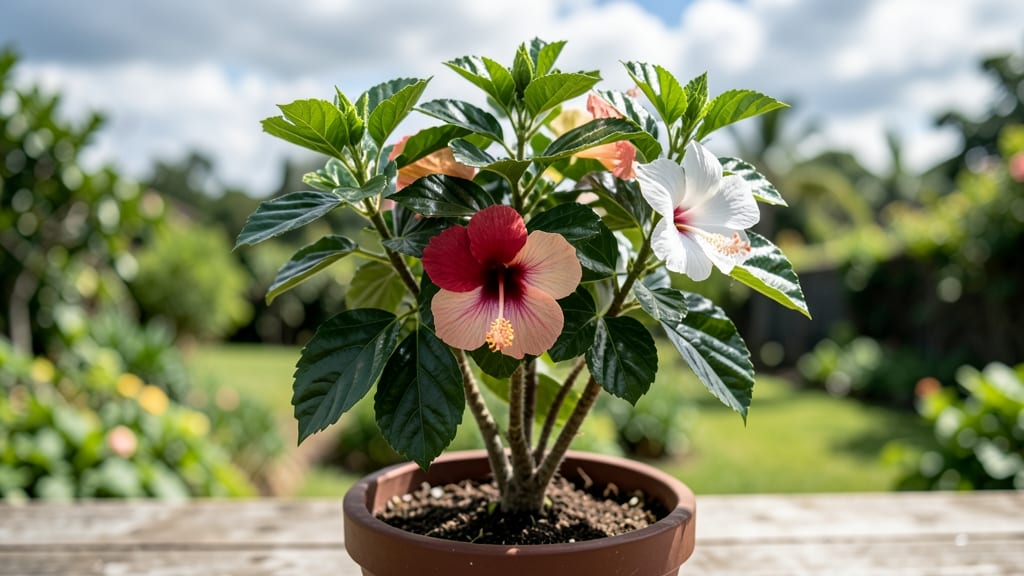
How tall hibiscus grow depends entirely on the variety and growing conditions, ranging from just 2 feet to towering 15 feet. If you’ve ever dreamed of adding vibrant tropical beauty to your garden, hibiscus might be the perfect choice—but first, you need to know exactly how tall they grow, because some varieties reach towering heights while others stay compact.
Tropical hibiscus, like the Hibiscus rosa-sinensis, can soar to 10–15 feet when left unpruned, while hardy hibiscus, such as Hibiscus syriacus, typically max out at 6–10 feet. The difference isn’t just about space—it’s about care, too.
In this guide, I’ll break down the height ranges by variety, share the secrets to controlling growth, and help you pick the perfect hibiscus for your garden—whether you want a small-space showstopper or a privacy-screen giant.


Hibiscus height by variety: dwarf to giant growth ranges explained
Choosing the right hibiscus variety depends entirely on your space and vision. Some stay as compact as 1-3 feet, perfect for containers, while others grow into 20-foot giants that dominate landscapes.
The key difference lies in species classification—tropical hibiscus (Hibiscus rosa-sinensis) often grows tallest, while hardy hibiscus (Hibiscus syriacus) offers more manageable heights.
Understanding these growth ranges helps you select plants that fit your garden's scale. Whether you need a balcony-friendly dwarf or a statement-making giant, each variety has unique care needs tied to its mature size. Let's explore the spectrum from smallest to tallest hibiscus varieties.
Dwarf hibiscus varieties like 'Lil' Kim' and 'Pinks' stay under 3 feet, making them ideal for container gardening or small balconies. These compact plants bloom prolifically but require regular pruning to maintain shape. Their slow growth rate means you won't need to worry about rapid expansion.
For slightly more space, semi-dwarf varieties like 'Lady Stanley' reach 3-5 feet and thrive in patio gardens. These varieties offer a balance between manageable size and abundant flowers. With proper care, they can even produce blooms year-round in warm climates.
The standard hardy hibiscus, such as 'Blue Chiffon' or 'Diana', typically grows 5-8 feet tall. These varieties are perfect for foundation plantings or as privacy hedges along property lines. Their upright growth habit makes them excellent for creating vertical interest in garden beds.
If you're dreaming of a tropical paradise, giant hibiscus varieties like 'Samurai' or 'Red Splendor' can reach 10-20 feet tall. These tropical giants require full sun exposure and well-draining soil to support their rapid growth. Their massive leaves and vibrant blooms create dramatic focal points in large landscapes.
Hardy tree hibiscus, such as 'Arnold Promise', grow 8-12 feet tall and are prized for their cold hardiness in zones 5-9. These varieties make excellent specimen plants and can even be trained as small trees with proper pruning. Their large, trumpet-shaped flowers add architectural interest to any garden
Factors that control hibiscus height: sunlight, pruning & soil secrets
Hibiscus plants thrive when you understand the key factors that shape their height. The sunlight exposure your hibiscus receives directly impacts its growth rate—too little sun stunts growth, while 6+ hours of direct sunlight fuels rapid vertical expansion.
Even within the same variety, a hibiscus in full sun can grow 30% taller than one in partial shade.
Soil quality plays an equally critical role. Hibiscus roots crave well-draining, nutrient-rich soil with a slightly acidic pH (6.0-6.5). Poor soil conditions force plants to divert energy to survival rather than reaching their full height potential.
For example, my Hibiscus rosa-sinensis grew from 4 feet to 8 feet in one season after I amended the soil with compost and organic matter.
Pruning techniques offer the most direct control over height. Strategic pruning can reduce height by 50% or encourage bushier, more compact growth.
The timing and method of pruning make all the difference—cutting back too late in the season may limit next year's blooms, while proper pruning stimulates new growth from the base.
How Tall Hibiscus Grow: Growth Factors
✅ PROS of Full Sun Exposure
- ✔ Faster growth (30% taller in 1 season)
- ✔ More blooms (2-3x increase)
- ✔ Stronger stems (better support)
❌ CONS of Full Sun Exposure
- ✖ Requires frequent watering (drought risk)
- ✖ May scorch leaves in extreme heat
- ✖ Limits shade-loving varieties
✅ PROS of Proper Pruning
- ✔ Controls height (50% reduction possible)
- ✔ Encourages bushiness (more blooms)
- ✔ Removes dead growth (prevents disease)
❌ CONS of Improper Pruning
- ✖ Stunted growth (if pruned too late)
- ✖ Fewer blooms (if pruned incorrectly)
- ✖ Weak stems (if over-pruned)
✅ PROS of Rich Soil
- ✔ Faster height gain (20% more growth)
- ✔ Vibrant blooms (deeper colors)
- ✔ Disease resistance (stronger roots)
❌ CONS of Poor Soil
- ✖ Slow growth (stunted height)
- ✖ Pale blooms (less vibrant)
- ✖ Root rot risk (overwatering issues)
For compact hibiscus varieties, like the 'Lil' Kim' dwarf hibiscus, focus on regular pruning to maintain a