
Companion Plants
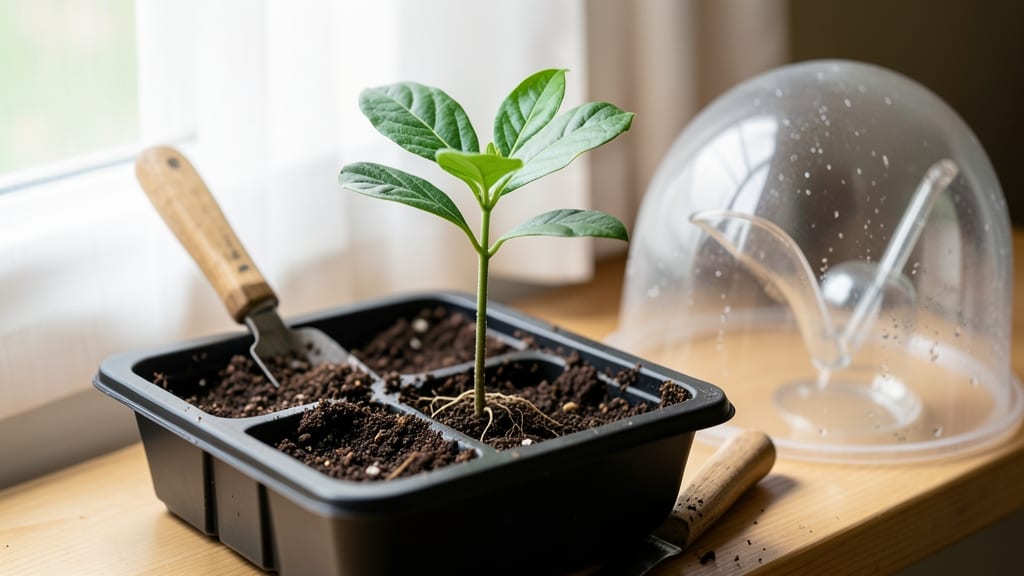
Plant your avocado seed in dirt about 4–6 weeks before your last frost date — that’s the sweet spot for indoor germination before transplanting outdoors.
Growing an avocado tree from a seed is a rewarding project—but timing your planting in dirt wrong can stall germination for months. Discover the exact indoor start dates and soil conditions to maximize your seed’s potential before transplanting outdoors.
If you’re in USDA Zone 6a (like much of the Midwest), that means starting seeds indoors by early March. For warmer climates, you can plant directly in soil as early as February, but even then, fast germination depends on the right soil mix and moisture balance.
Below, I’ll break down the best indoor start dates by zone, how to prep your seed for soil, and when to move seedlings outdoors—plus common mistakes that kill seeds before they even sprout.
Best indoor start dates for avocado seeds in soil (by climate Zone)
Timing your avocado seed planting in dirt is critical—especially since germination can take 4-12 weeks indoors. Start too early, and your seedling may outgrow its pot before outdoor transplanting. Begin too late, and frost or cold snaps could kill tender young roots.
The key is aligning your indoor start date with your USDA climate zone and last frost date to ensure a smooth transition.
Avocado seeds thrive best in warmth (70-85°F), so indoor germination works year-round. However, outdoor transplant timing varies dramatically between frost-prone zones (6-8) and tropical climates (9-11).
For example, in Zone 7, I start seeds in early March to transplant by May, while in Zone 10, I can plant anytime—just avoid winter months when days shorten.
Here’s the golden rule: Calculate your last frost date, then count backward 8-12 weeks for indoor germination. Add 4-6 weeks extra if transplanting to containers, as they dry out faster.
For year-round growers in warm zones, prioritize seedling strength over strict seasonal timing—just avoid planting outdoors when night temps drop below 50°F.
Pro Tip: Use a seedling heat mat (75-80°F) to speed germination in cooler zones. This cuts indoor time by 2-3 weeks, giving you more flexibility for outdoor moves. Pair it with a grow light if natural light is limited, especially in winter.
In Zones 6-8, I always err on the earlier side for indoor starts because cold snaps can delay outdoor moves. For example, if your last frost is April 15, begin seeds by February 1 to ensure a 6-inch-tall seedling ready for transplant.
In Zone 9+, I focus on seedling health over strict dates—just avoid planting outdoors when night temps dip below 50°F, as young leaves burn.
For container growers, timing is less critical since you can move pots indoors anytime. However, aim for 4-6 weeks of indoor growth before placing outside to build root strength. Use 5-gallon pots minimum, as avocado roots grow aggressively.
In my Zone 7 garden, I’ve transplanted 3-week-old seedlings into containers in late winter, then moved them outdoors in May—no issues!
Watch for these red flags that signal poor timing: Leggy seedlings (stretched from lack of light), yellowing leaves (overwatering or cold stress), or stunted growth (transplant shock). These often stem from rushing the process—whether starting too late or moving outdoors too soon.
In Zone 10, I’ve seen seedlings bolted to 2 feet in 8 weeks with ideal conditions, while Zone 7 seedlings take 10-12 weeks to reach transplant size.
If you’re in a transition zone (e.g., Zone 8a vs. 8b), check your microclimate. A sheltered spot may support earlier outdoor moves, while open areas need later starts.
I once transplanted a Zone 8b seedling in early April to a south-facing patio**—it thrived, but a similar seedling in a windy north exposure struggled until May. Always harden off for 10-14 days before moving outdoors permanently.
For year-round growers, split your starts: Plant half in summer (June-August) for fall/winter harvests, and half in winter (December-February) for spring growth. This staggered approach ensures continuous seedling production. In my Zone 9 garden, I’ve had three generations of seedlings in a single year using this method!
Remember: Patience is key. Avocado seeds from grocery stores often take 8-12 weeks to germinate—don’t assume a 2-week timeline! Monitor soil moisture (keep it consistently damp, not soggy) and maintain 70-85°F temperatures for best results. With the right timing, you’ll have a healthy seedling ready for its outdoor debut—whether that’s <
How to prepare avocado seeds for soil planting (step-by-step prep)
Before planting your avocado seed in soil, proper preparation is key to avoiding rot and ensuring strong germination. Start by cleaning the seed thoroughly with warm water and a soft brush to remove any remaining fruit residue.
This step prevents mold and fungal growth, which can kill your seed before it even sprouts.
Once cleaned, let the seed dry completely for 2-3 days at room temperature. Place it in a well-ventilated area, like a sunny windowsill, to speed up the process. Skipping this drying phase is a common mistake that leads to seed rot in damp soil.
⚠️ WARNING: Planting Too Soon Can Ruin Your Seed!
Plant your avocado seed in soil only after it’s fully dry and shows signs of cracking (usually 2-4 weeks after drying). Planting too early causes rot, while waiting too long may reduce germination success. For indoor starts, aim to plant 4-6 weeks before your last frost date to give roots time to establish before outdoor transplanting.
🌱 Pro Tip: Use a moisture meter to check soil dampness—it should feel like a wrung-out sponge, not soggy.
Create a well-draining soil mix using equal parts potting soil, perlite, and coarse sand. This blend prevents waterlogging, which is deadly for avocado seeds. Fill a small pot (4-6 inches deep) with the mix, leaving 1 inch of space at the top for watering.
Plant the seed point-side down—the flat side should face the pot’s edge, while the pointed end points downward. Insert it 1-2 inches deep into the soil, pressing gently to secure it. The orientation matters: planting it upside down can delay or prevent germination entirely.
After planting, water the soil until it’s evenly moist but not saturated. Place the pot in a warm, bright location (65–75°F) with indirect sunlight. Avoid direct sun, which can overheat the seed. Check moisture daily—let the top inch dry slightly between waterings to prevent rot.
Germination can take 2-12 weeks, so patience is key. Once a 2-inch sprout emerges, transition to a larger pot with the same soil mix. Avoid fertilizing until the seedling has 4-6 true leaves—early feeding can burn delicate roots.