
Fertilization
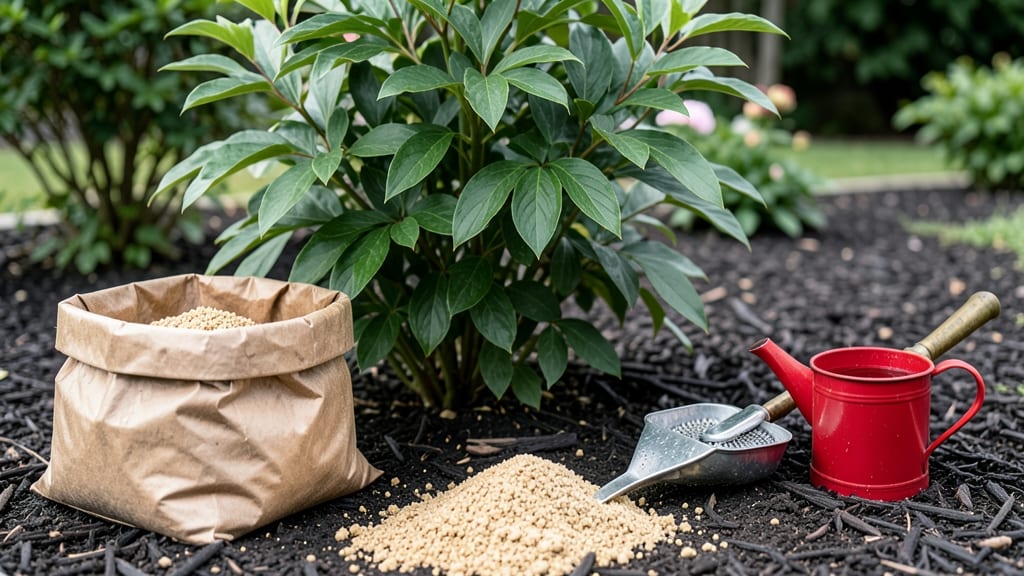
Fertilizing peonies at the right time is the key to bigger blooms and healthier plants 🌸 — and the best windows are early spring and late summer.
Peonies are the crown jewels of any garden, but their breathtaking blooms require precise timing and care—especially when it comes to fertilizing. Get it wrong, and you risk stunted growth or fewer flowers; nail it, and you’ll enjoy lush foliage and abundant blossoms for years.
Most gardeners make the mistake of fertilizing too late in the season, which can lead to new growth that won’t survive winter. Instead, focus on feeding your peonies when they’re just waking up from dormancy in early spring or after they’ve finished blooming in late summer.
In this guide, I’ll walk you through the exact timing, the best type of fertilizer to use, and how often you should feed your peonies—so you can avoid overdoing it and keep those stunning flowers coming back year after year.

Best times to fertilize peonies for maximum bloom growth
Fertilizing your peonies at the right time is the secret to bigger blooms and healthier plants. Unlike many perennials, peonies thrive on a two-season feeding schedule—early spring and late summer—that aligns with their natural growth cycles.
Skipping these windows can leave your plants underfed or, worse, overloaded with nutrients they can’t use.
Peonies are famously low-maintenance, but they do reward precise care. The early spring feeding jumpstarts root growth, while the late summer boost prepares them for next year’s flowers.
In warmer climates (USDA Zones 7-10), timing shifts slightly, but the principle stays the same: feed when the plant is actively growing, not dormant.
| Fertilizing Window | Climate Zones | Key Action | Why It Matters |
|---|---|---|---|
| Early Spring | Zones 3-10 | Apply low-nitrogen fertilizer (5-10-10) when shoots emerge (March-April) | Stimulates root and flower bud development for summer blooms |
| Late Summer | Zones 3-9 | Light feed after blooming (July-August) in cooler zones; skip in Zone 10+ | Encourages next year’s flower buds while plant stores energy |
| Fall | All Zones | Avoid fertilizing; focus on mulching instead | Prevents new growth that could freeze in winter |
| Winter | All Zones | No fertilization; plant is dormant | Over-fertilizing can burn roots or attract pests |
In cool climates (Zones 3-6), aim to fertilize peonies in early April as soon as you see 2-inch shoots emerging. This timing ensures nutrients are available when roots need them most. For warmer zones (7-10), shift your spring feeding to February-March to match their earlier growth cycle.
Many gardeners overlook the late summer feeding, but this is when peonies store energy for next year’s blooms. In Zones 3-6, apply a light fertilizer in early August after flowers fade.
In Zones 7-9, this window extends to mid-September, while Zone 10+ peonies typically don’t need late-summer feeding due to year-round growth.
One common mistake is fertilizing peonies in fall or winter. While this might seem logical for spring blooms, it actually stimulates weak growth that can’t survive winter freezes. Instead, focus on mulching with 3-4 inches of compost or straw to protect roots and improve soil structure over time.
For newly planted peonies, hold off on fertilizing for the first year. Their roots are still establishing, and excess nutrients can burn tender roots. After year one, stick to the spring and late-summer schedule to avoid overloading the plant.
Over-fertilized peonies often show yellow leaves or fewer blooms—a clear sign you’ve gone too heavy.
Pro tip: If your peonies bloom heavily one year but sputter the next, it’s often a sign of nutrient imbalance. Adjust by using a phosphorus-rich fertilizer (like bone meal) in spring to boost flower production.
Pair this with potassium in late summer to strengthen roots and disease resistance.
Remember, peonies are long-lived perennials—some live for 100+ years with proper care. By fertilizing at these critical windows, you’re investing in decades of lush blooms rather than quick fixes. Think of it as banking nutrients for future seasons.
🌸 For the best results, pair your fertilizing schedule with regular mulching and deep watering to create the perfect environment for your peonies to thrive. With this timing, your plants will reward you with showstopping blooms year after year.
How to choose the right fertilizer for peonies (and what to avoid)
Peonies thrive when given the right nutrients, but not all fertilizers are created equal. The wrong type or timing can actually damage your plants, leading to fewer blooms or weak stems.
As a rule, peonies need a balanced, low-nitrogen fertilizer to encourage strong roots and abundant flowers without excessive foliage growth. Organic options like compost or bone meal are often the safest choices, but synthetic fertilizers can work too if used correctly.
One of the biggest mistakes gardeners make is using a high-nitrogen fertilizer, which promotes leafy growth at the expense of blooms. Peonies are heavy feeders but prefer a phosphorus-rich formula to support flower development.
Look for a ratio like 5-10-10 or 10-20-20, where the first number (nitrogen) is the lowest. Avoid anything labeled for lawns or leafy greens—those are usually too strong for peonies.
Here’s a quick breakdown of your options and what to watch out for:
Organic Fertilizers for Peonies
✅ Pros
- Gentle on roots
- Improves soil health over time
- Slow-release nutrients
- Safe for children/pets
❌ Cons
- Slower results (3-6 months)
- Requires prep (e.g., compost tea)
- May attract pests if overused
Synthetic Fertilizers for Peonies
✅ Pros
- Fast-acting nutrients
- Precise NPK ratios available
- Easy to apply (granules/pellets)
❌ Cons
- Risk of burning roots if overused
- No soil benefits long-term
- Harmful if misapplied
Best Time to Fertilize: Early spring (before new growth) or late summer (after blooming). Avoid fertilizing in fall or winter when peonies are dormant.
For organic options, I recommend composted manure or bone meal (high in phosphorus) in early spring. Work it into the soil around the plant’s drip line, about 6 inches deep.
If you prefer synthetics, choose a slow-release granular fertilizer like 5-10-10 and apply it lightly—just 1 tablespoon per plant—to avoid overdoing it. Always water thoroughly after fertilizing to help nutrients absorb into the soil.
Watch out for these common mistakes that can harm your peonies: using too much fertilizer, applying it directly to the crown (which can burn the plant), or fertilizing in hot summer months when peonies are stressed.
A little goes a long way—over-fertilizing can lead to leaf scorch, weak stems, or even root death. If you’re unsure, start with half the recommended dose and observe your plant’s response.
Peonies are perennials, so they don’t need frequent feeding. In fact, established plants often do well with just one light feeding per year. If your peonies are young (under 3 years old), they’re still building roots and may not need fertilizer at all.
Always check the soil first—healthy, well-draining soil with plenty of organic matter is the best fertilizer for peonies. 🌸