
Plants
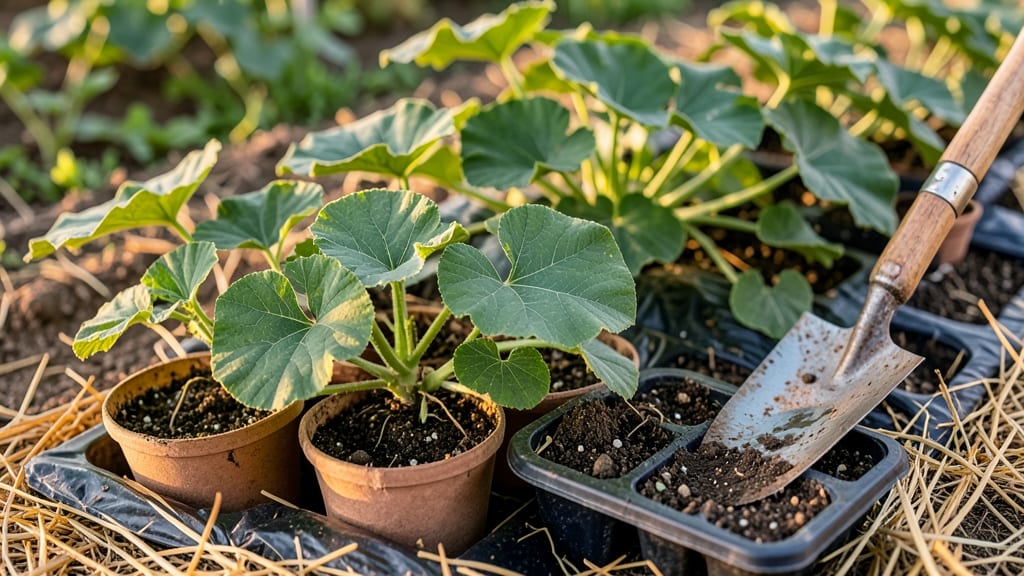
Planting pumpkins in California depends on your exact location—coastal fog belts need seeds in the ground by March, while the Central Valley’s heat waits for April to avoid slow germination or bolted vines.
California’s microclimates mean your neighbor’s perfect harvest could be your failed patch if you plant at the wrong time. Too early? Seeds rot in cool soil. Too late? The summer rush leaves no room for pumpkins to mature before frost—or the lack of it—becomes a problem.
Here’s the secret: soil temperature matters more than the calendar. Aim for 70°F+ before dropping seeds, and adjust for your region—whether you’re in the San Francisco fog or the Sacramento heat. I’ll show you how to time it right for fast germination and a harvest that outlasts Labor Day.
From ‘Sugar Pie’ pumpkins for coastal gardens to ‘Howden’ giants in the Valley, we’ll cover the best varieties, soil prep tricks, and organic pest control to keep your vines thriving—no matter where in California you’re growing.
California pumpkin planting deadlines by microclimate zone
California’s coastal fog, Central Valley heat, and desert climates create wildly different pumpkin planting windows. Soil temperatures below 55°F stall germination, while 90°F+ can cause seeds to rot. I’ve broken down the optimal planting dates for California’s four key microclimates—plus how to adjust for your local conditions.
For coastal areas like the San Francisco Bay, start seeds indoors in late February and transplant after last frost (usually March 15-April 1).
Inland Central Valley gardeners should wait until April 15-May 1 when soil warms to 70°F+. Desert regions like Palm Springs can plant as early as March, while mountain zones (like Sierra Foothills) often wait until late May.
Here’s a side-by-side comparison of planting deadlines, soil temp requirements, and harvest windows for each microclimate:
| Microclimate Zone | Ideal Planting Window | Soil Temp for Germination | Last Planting Deadline | Harvest Window |
|---|---|---|---|---|
| Coastal (San Francisco Bay) | March 15–April 15 | 55–65°F | June 1 (90-day varieties) | July–October |
| Central Valley (Sacramento) | April 15–May 15 | 70–80°F | July 1 (110-day varieties) | August–November |
| Desert (Palm Springs) | March 1–April 15 | 60–75°F | June 15 (heat-tolerant varieties) | June–September |
| Mountain (Sierra Foothills) | May 1–June 1 | 60–70°F | July 15 (short-season varieties) | August–October |
In coastal zones, fog delays warming, so use black plastic mulch to raise soil temps 5–10°F faster. For Central Valley gardeners, late May plantings risk bolting—choose 90-day varieties like ‘Sugar Pie’ to finish before summer heat peaks.
The desert’s early start lets you grow two crops: plant fast-maturing varieties (e.g., ‘Jack Be Little’) in March and larger pumpkins (e.g., ‘Howden’) in April. Mountain growers should focus on bush varieties like ‘Cinderella’ to avoid vine damage from late-season winds.
Pro tip: Check your local frost-free date via the USDA Plant Hardiness Zone Map. Even in California, high-elevation areas (like Lake Tahoe) can see light frosts in October. Plant 60-day varieties if your season is short.
For soil prep, aim for pH 6.0–6.8 and well-draining soil. Mix in compost to retain moisture—critical in Desert and Central Valley heat. Coastal gardeners may need raised beds to improve drainage from fog drip.
Remember: Pumpkin seeds need consistent warmth to germinate. If your soil is below 60°F, soak seeds overnight in lukewarm water to jumpstart growth. Transplant seedlings only after true leaves form (not just cotyledons).
🎃
How to adjust planting timing for fast germination in California’s climate
California’s variable climate—from coastal fog to Central Valley heat—can leave pumpkin seeds sitting in cold soil or struggling under scorching temperatures. The key to fast germination lies in soil temperature control and strategic planting adjustments.
Pumpkin seeds need consistent warmth (70-90°F) to sprout quickly, but cool coastal areas or late springs can delay growth. I’ve learned that soil warming tricks and seed pre-treatment can shave weeks off your growing season.
For gardeners in Southern California, where winter rains linger, waiting until mid-March ensures soil stays warm enough for germination. Meanwhile, Central Valley growers should plant in early April to avoid the brutal summer heat that causes bolting.
The secret? Timing isn’t just about the calendar—it’s about soil temperature. A simple soil thermometer (or your elbow—soil should feel like bathwater) tells you when it’s safe to sow.
- 1 Use black plastic mulch 2-3 weeks before planting to warm soil by 10-15°F. Lay it down in late February for coastal areas or early March inland.
- 2 Soak seeds in lukewarm water for 4-6 hours before planting to jumpstart germination. Add a pinch of compost tea for extra microbial boost.
- 3 Plant in warmest part of your garden—south-facing beds or raised beds heat up fastest. Avoid shady spots where soil stays cool.
- 4 Use row covers or cloches for 1-2 weeks post-planting to trap heat, especially in coastal or high-elevation areas where nights are chilly.
- 5 For late starters, transplant 2-3 week old seedlings (grown indoors under grow lights) in May—just bury them deeper to encourage root growth.
If you’re in a hot inland region like the Central Valley, avoid planting too early—soil temperatures above 90°F can cause seeds to rot or bolt prematurely. Instead, opt for shade cloth over young plants until they establish roots.
I’ve seen ‘Sugar Pie’ pumpkins bolt in June when planted in March under scorching conditions—always check your 7-day forecast for heatwaves before sowing.
For coastal gardeners, where fog delays warming, stagger your plantings every 2 weeks from March to early May. This ensures a continuous harvest and reduces the risk of blossom end rot from inconsistent soil temperatures.
Pair this with drip irrigation to maintain even moisture—pumpkin seeds need consistent dampness (not soggy soil) to germinate reliably.
Pro tip: Test your soil’s moisture before planting—stick your finger 2 inches deep. If it feels dry, water deeply 24 hours before sowing to create the perfect germination environment.
And remember, patience pays off: pumpkin seeds can take 5-10 days to sprout, but with these tricks, you’ll see those first tiny green leaves in half the time.