
Plants
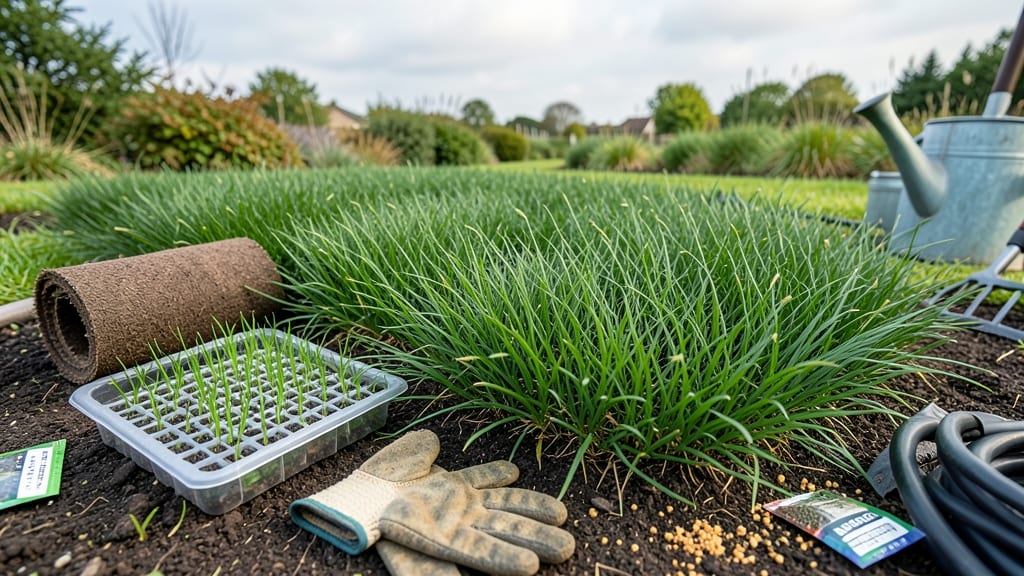
The best time to plant grass in Pennsylvania is early spring or early fall—when soil temperatures stay between 55°F and 65°F and the risk of frost has passed or is still weeks away.
Planting grass at the wrong time in Pennsylvania can mean wasted money, uneven growth, and months of frustration—especially when dealing with the state’s unpredictable spring and fall weather.
Timing matters because Pennsylvania’s USDA Zones 5-7 bring sudden frost shifts, and grass seeds need stable conditions to germinate. Too early, and a late frost will kill your seedlings; too late, and summer heat stresses them before they establish roots.
Below, I’ll break down the exact frost-free windows for your region, how to check soil temperature, and the top grass varieties that thrive in Pennsylvania’s climate—so you can plant with confidence and avoid common mistakes.
Ideal Pennsylvania grass planting times by season: soil temperature & frost-free rules
Timing is everything when planting grass in Pennsylvania, where spring and fall windows differ dramatically. The key? Soil temperatures between 50-65°F and avoiding extreme heat or frost. In my experience, planting outside these conditions leads to poor germination or weed competition.
Pennsylvania’s USDA Zones 5-7 mean regional variations—Philadelphia’s milder climate differs from Pittsburgh’s colder winters.
Most gardeners swear by early spring or early fall planting, but the exact dates depend on your microclimate. For example, Pittsburgh’s last frost often hits April 15, while Philadelphia may see frost-free conditions by March 20.
These differences can shift planting windows by weeks, so local data is critical.
Here’s the golden rule: Plant 4-6 weeks before your last spring frost or 4-6 weeks before your first fall frost. This timing ensures grass establishes roots before summer heat or winter dormancy.
For Pennsylvania, that typically means March-April for spring and September-October for fall, but always verify your local frost dates.
🌱
Spring planting offers the longest growing season, but late spring (May-June) risks summer drought and weed competition. I’ve seen lawns planted in June struggle with crabgrass takeover because warm-season weeds germinate first. For fall, aim to finish by mid-October—grass needs 4-6 weeks to establish before winter dormancy.
Pennsylvania’s microclimates create exceptions. For example, Erie (near Lake Erie) has cooler summers and later frosts, while Lancaster’s inland climate warms faster in spring. Check your local frost dates (via the National Weather Service) and adjust planting by 2-3 weeks if needed.
Soil temperature is non-negotiable. Use a soil thermometer—grass seeds need consistent warmth to germinate. If your soil is below 50°F, wait. I once planted Kentucky Bluegrass in early April when soil was only 45°F—it took 3 weeks longer to sprout and had 50% less coverage by summer.
For fall planting, aim for September when daytime highs are 70-75°F but nights cool quickly. This gives grass time to root before winter. In Pittsburgh, I’ve had success planting Tall Fescue in early September—it established beautifully before the first frost in mid-October.
If you miss the ideal window, overseeding in late summer (August) can work for cool-season grasses like Perennial Ryegrass. But avoid planting new lawns in summer—heat stress and dormancy will kill your efforts before they start.
💧
How to prepare your Pennsylvania lawn for grass planting: soil, seed, and weather checklist
Preparing your lawn for grass planting in Pennsylvania isn't just about throwing seeds on the ground and hoping for the best. The soil conditions, grass seed variety, and weather timing all play critical roles in whether your lawn thrives or struggles.
I’ve learned from years of trial and error that skipping these steps often leads to patchy, weak grass that never reaches its full potential.
First, focus on the soil preparation. Pennsylvania’s clay-heavy soils need aeration and organic matter to improve drainage and nutrient retention. I always start by testing the soil pH—aiming for a range of 6.0 to 7.0—because grass struggles to absorb nutrients in acidic or alkaline extremes.
If your soil is too compacted, rent a core aerator to create holes for seeds and roots to penetrate easily.
Use a soil test kit to check pH. Pennsylvania’s ideal range is 6.0–7.0. Amend with lime (to raise pH) or sulfur (to lower pH) if needed.
Pennsylvania’s cool-season climate favors tall fescue, Kentucky bluegrass, or perennial ryegrass. Mix types for resilience—e.g., 60% tall fescue + 40% bluegrass.
Rent a core aerator to relieve compaction. Do this 2–4 weeks before planting for best results. Focus on high-traffic areas first.
Use a broadcast spreader for even coverage. Overlap passes by 50% to avoid gaps. Lightly rake seeds into soil (¼ inch deep max).
Keep soil moist but not soggy for 14–21 days post-planting. Water lightly twice daily (morning/evening) until seeds germinate.
Don’t plant in summer heat or freezing temps. Skip heavy foot traffic for 4–6 weeks after planting to prevent seed displacement.
Next, selecting the right grass seed mix is crucial. Pennsylvania’s USDA zones 5–7 demand grasses that tolerate both hot summers and cold winters. I’ve found that tall fescue is my top pick because it stays green longer in heat and recovers well from drought.
For shadier areas, mix in fine fescue, which thrives with as little as 3–4 hours of sun daily.
Timing your planting is just as important as soil prep. The best windows in Pennsylvania are early spring (March–April) or early fall (September–October). Avoid planting in summer when soil temperatures exceed 75°F, as seeds can dry out or fail to germinate.
Use a soil thermometer to confirm temperatures are between 50–65°F—this is the sweet spot for seed activation.
One mistake I see often is skipping soil amendments. Even if your soil tests within the ideal pH range, adding compost or peat moss improves moisture retention and provides essential nutrients. Spread a ¼-inch layer of compost over the area, then lightly rake it in before seeding.
This step alone can make the difference between a thin, patchy lawn and a lush, uniform carpet of grass.
Finally, don’t underestimate the power of consistent watering. After seeding, water lightly but frequently—twice daily if possible—to keep the top inch of soil moist.
Once the grass reaches 3–4 inches tall, gradually reduce watering to 1 inch per week, focusing on deep, infrequent watering to encourage deep root growth. This habit sets your lawn up for drought resilience and long-term health.
By following these steps, you’ll give your Pennsylvania lawn the best possible start. The key is patience and preparation—rushing the process often leads to regret.
With the right soil, seed, and timing, your lawn will reward you with years of vibrant green coverage that stands up to the state’s unpredictable weather.