
Companion Plants
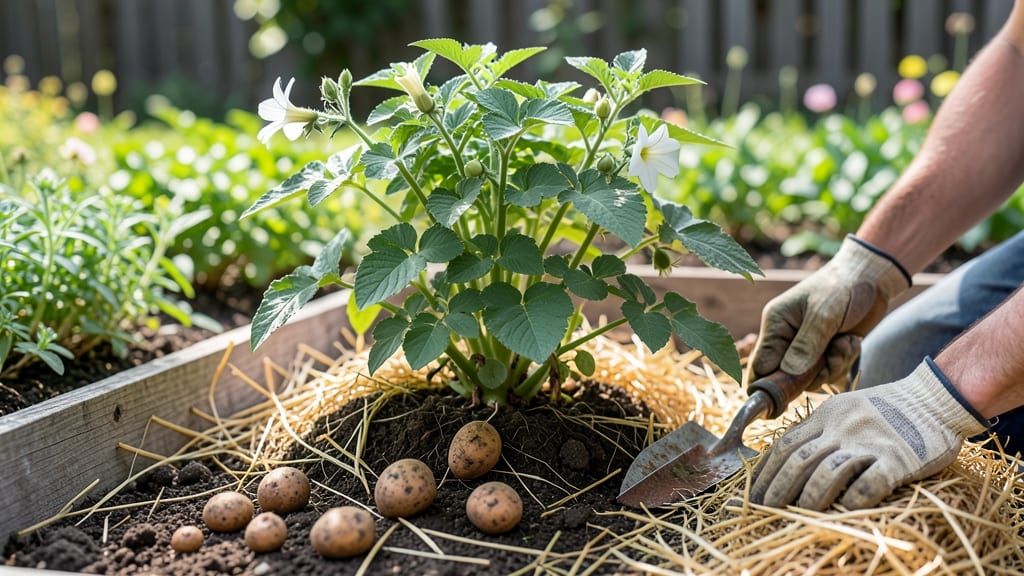
Plant potatoes in Ohio between mid-March and early April — timing that lets the soil warm to 45°F before the last frost, which is usually around April 15.
Ohio gardeners know timing is everything — plant potatoes too early, and frost will ruin your crop; too late, and you’ll miss peak harvest season. But with Ohio’s diverse microclimates, the ‘perfect’ window varies by region, soil type, and even last frost date.
In USDA Zone 6a, where most of Ohio falls, early varieties like Yukon Gold can go in the ground as soon as the soil is workable, while later varieties may need to wait until late April to avoid frost damage.
Below, I’ll break down the exact planting deadlines by region, how to prep your seed potatoes for Ohio’s clay-heavy soils, and the one trick that extends your harvest window by two weeks.
Ohio’s planting zones for potatoes: last frost date deadlines by region
Ohio’s USDA zones 5a-6b create distinct planting windows for potatoes, where a 2-week difference in last frost dates can mean the difference between a thriving crop and frost damage.
Northern Ohio (zones 5a-5b) typically sees its last frost between April 15-25, while southern Ohio (zones 6a-6b) averages April 5-15. These dates determine whether you’ll plant early-season varieties in March or stick to April for mid-to-late varieties.
Microclimates further refine these timelines—urban areas like Columbus often warm 1-2 weeks earlier than rural zones, while lake-effect regions (e.g., near Lake Erie) may experience delayed frosts. Always check your local Almanac’s frost predictions or use a soil thermometer (potatoes need 45°F+ soil to sprout reliably).
Here’s how Ohio’s regions break down for ideal planting windows, tailored to early, mid-, and late-season varieties:
| Region & USDA Zone | Last Frost Date | Planting Window | Best Varieties | Notes |
|---|---|---|---|---|
| Northern OH (5a-5b) | April 15–25 | March 15–April 5 | Early Red, Kennebec, Red Norland | Use row covers for early starts; soil warms slowly. |
| Northeast OH (5b) | April 10–20 | March 20–April 10 | Yukon Gold, Fingerlings, Purple Viking | Lake Erie delays frost; plant slightly later. |
| Central OH (6a) | April 5–15 | March 1–April 1 | Russet, Adirondack Blue, Sweetheart | Urban areas may plant 1 week earlier. |
| Southern OH (6b) | March 25–April 5 | February 20–March 15 | Red LaSoda, Katahdin, Pontiac | Warmest zone; early planting risks blight. |
For northern Ohio (zones 5a-5b), focus on early-maturing varieties like Kennebec or Red Norland, which can be harvested in 90 days—just in time to avoid late-summer blight. Plant 2-4 weeks before your last frost date, but use black plastic mulch to warm soil faster if needed.
In central Ohio (zone 6a), you can stretch your season with mid-season varieties like Yukon Gold, planting as early as March 1 for a June harvest.
Southern Ohio gardeners in zone 6b enjoy the longest growing season, allowing for late-season varieties like Red LaSoda (resistant to late blight) or Katahdin. Here, February planting is possible with row covers, but avoid planting too early—soil temperatures below 45°F stunt growth.
Always chit your seed potatoes (sprout them indoors) to jumpstart the season, especially in cooler zones.
Pro tip: If your soil feels cold or damp in early spring, delay planting until it reaches 50°F+ at 4-inch depth. A soil thermometer is your best friend—potatoes won’t sprout until soil warms to this threshold.
In clay-heavy soils (common in Ohio), mix in compost or sand to improve drainage and prevent rot.
Remember, Ohio’s first frost typically arrives in mid-October, giving you a 160-day growing window for potatoes. Use this timeline to plan succession planting: Start with early varieties in March, then follow with mid-season types in April for a staggered harvest through July and August.
For container growing, adjust your timeline by 1-2 weeks earlier—pots warm up faster than ground soil. Just ensure containers are at least 12 inches deep to accommodate tuber growth.
And if you’re in a microclimate (e.g., near a south-facing wall or in a low-lying area), observe your local frost patterns for 2-3 years to fine-tune your schedule.
Finally, don’t forget about fall planting! In southern Ohio, you can plant late-season varieties in late August for a frost-tender harvest in October. Use heavy mulch to protect tubers from early frosts.
With these regional guidelines, you’ll maximize your Ohio potato harvest—whether you’re in frost-prone Toledo or mild Cincinnati.
🌱
How to adjust planting time for Ohio’s soil and weather quirks
Ohio’s clay-heavy soils and unpredictable spring frosts make potato planting a delicate balancing act. Unlike sandy soils, clay warms slowly—waiting for 50°F soil temperatures (measured 4 inches deep) is critical for sprouting.
Meanwhile, late frosts in northern Ohio (like USDA Zone 5a) can delay planting until mid-April, while southern regions (Zone 6b) may start as early as late February under row covers.
To hedge your bets, I use cold frames or floating row covers to extend the season by 2-3 weeks. These low-tech tools create a 5-10°F warmer microclimate, letting me plant seed potatoes 2-4 weeks earlier than the last frost date.
For example, in Columbus (Zone 6a), I often plant Yukon Golds in early March under covers, then remove them once nighttime temps stay above 40°F.
⚠️ callout-warning
Mistake: Planting seed potatoes too deep (4+ inches) in clay soil traps moisture, causing rot. Correct depth: 3-4 inches max, with sprouts facing up.
Mistake: Ignoring soil temperature—planting when air temps are 50°F but soil is still below 45°F stalls sprouting. Use a soil thermometer!
Mistake: Skipping chitting (pre-sprouting) for early varieties in northern Ohio. Place seed potatoes in bright light (60°F+) 4-6 weeks before planting to jumpstart growth.
Ohio’s variable rainfall also demands flexibility. In years with prolonged dry spells (common in May-June), I prioritize drought-tolerant varieties like Red LaSoda and mulch heavily with straw or grass clippings to retain moisture.
For clay soils, I amend beds with compost or aged manure before planting to improve drainage—without it, tubers develop scab disease from poor aeration.
Another trick I’ve learned? Succession planting in Ohio’s short season. After harvesting early varieties (like ‘Early Girl’ in June), I replant late-season types (e.g., ‘Kennebec’) in mid-July using black plastic mulch to warm the soil.
This extends harvests into early October before the first frost. Just ensure you use certified disease-free seed potatoes to avoid blight spreading in humid Ohio summers.
Finally, don’t overlook Ohio’s microclimates. Urban areas like Cincinnati often experience earlier last frosts than rural zones, while the Lake Erie coast stays cooler longer due to lake breezes.
Check your local Cooperative Extension office for hyper-local frost data—it’s worth the 5-minute call to avoid losing your $50 seed potato investment to a surprise freeze.
With these adjustments, you’ll turn Ohio’s unpredictable weather into an advantage, not a headache. Start with soil prep in February, monitor temps religiously, and don’t hesitate to use season extenders—they’re your secret weapon for a bountiful potato harvest despite the quirks of Ohio’s growing season. 🌱