
Plants
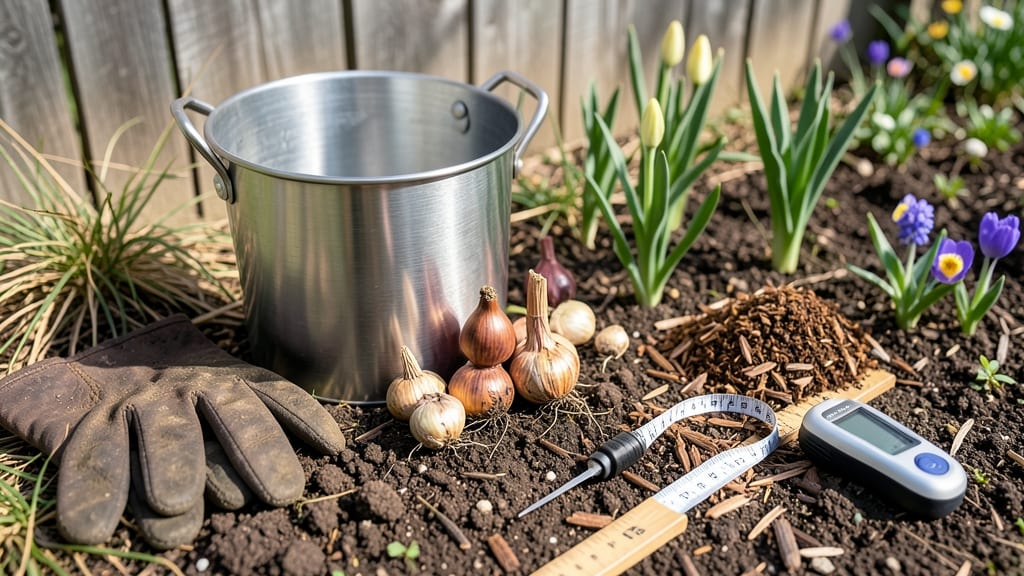
Planting bulbs in the ground at the right time ensures vibrant spring blooms like tulips and daffodils 🌷 — but timing wrong can leave you waiting another year.
Picture this: September rolls around, and you’re eager to plant your Spring Bulbs for next spring’s color. Yet, if you rush in Zone 6a before the soil cools, your bulbs may rot instead of root.
The key? Planting 6-8 weeks before the first frost — a window that shifts depending on where you live.
Too early, and the soil stays warm, encouraging mold. Too late, and the roots don’t establish before winter. I’ve learned the hard way: one year’s missed deadline means one year’s fewer blooms. But get it right, and you’ll enjoy those cheerful flowers with minimal effort.
Here’s how to nail the timing for your climate zone, adjust for early or late seasons, and avoid common mistakes that even experienced gardeners make.
Climate-Zone planting deadlines for spring and fall bulbs
Getting your spring-flowering bulbs in the ground at the right time means the difference between a showstopping spring display and waiting another year for blooms. The key? Your USDA climate zone and whether you're planting fall bulbs (for spring blooms) or spring bulbs (for summer color).
Let’s break down the perfect planting windows by zone so you can time it just right.
Most gardeners focus on fall planting for classic spring bloomers like tulips, daffodils, and hyacinths, but summer-flowering bulbs like dahlias and cannas need a spring start.
The rules shift dramatically between Northern and Southern climates—where a Zone 3 gardener might plant in September, a Zone 9 gardener could still plant in December.
Here’s your zone-by-zone planting timeline, including adjustments for early frosts, mild winters, and regional quirks to ensure your bulbs thrive.
In Northern climates (Zones 3-5), the window for planting fall bulbs is tight—typically from mid-September to mid-October. This ensures bulbs establish roots before the ground freezes. If you miss this window, wait until early spring (March-April) for tender bulbs like dahlias or gladiolus, which can’t handle frost.
For Southern gardeners (Zones 8-11), the rules are different. You can plant fall bulbs as late as December, but avoid planting in summer heat, which can cause rot.
Instead, opt for early fall or late winter planting. Some bulbs, like rain lilies, even thrive when planted in wet-season conditions.
Pro tip: Check your local frost dates—not just your zone—to fine-tune timing. For example, a Zone 6 gardener in Denver might plant earlier than one in Chicago due to later frosts. Use the National Weather Service or local extension service for precise dates.
Once you’ve nailed the timing, focus on soil prep. Amend your soil with compost for drainage, and plant bulbs at the correct depth—2-3 times their height, with the pointy end up.
After planting, water deeply to settle the soil and encourage root growth before winter sets in.
Remember, bulb success depends on consistency. Planting too early can lead to premature sprouting, while planting too late may leave bulbs vulnerable to frost damage. Stick to these zone guidelines, and you’ll enjoy vibrant blooms year after year with minimal effort.
Need
How to adjust planting time for early or late seasons
Adjusting your bulb planting schedule is essential when facing unpredictable weather or extreme climates. Late frosts, early heatwaves, or microclimates in your yard can throw off standard deadlines. The key is understanding how soil temperature and local frost dates influence bulb success.
For example, in USDA Zone 5, where winters are harsh, I plant spring-flowering bulbs like tulips and daffodils in October—but if the ground stays warm, I delay until mid-November.
Meanwhile, in Zone 9, milder winters mean I can plant as late as January without risking frost damage.
Soil temperature is your most critical factor. Most bulbs need 60°F soil for root growth but can’t tolerate freezing ground. Use a soil thermometer to check—plant when temps drop to 50-60°F at 6 inches deep.
If your soil stays warm too long, bulbs may sprout prematurely and die in frost.
⚠️ callout warning ⚠️
⚠️ Late Planting Risks
- Frost damage: Bulbs planted too late may not root before winter.
- Weak growth: Limited root development = smaller blooms next spring.
- Rodent temptation: Exposed bulbs in late fall attract squirrels and voles.
🌱 Solution: Use mulch (3-4 inches) after planting to insulate soil and deter pests.
Microclimates—like south-facing slopes or shaded garden nooks—can create localized planting zones. A spot that bakes in summer might stay 5°F warmer than the rest of your yard, delaying frost. Test your microclimates by planting test bulbs in different areas and tracking their emergence dates.
If you miss the ideal planting window, don’t panic. Some bulbs, like crocus or snowdrops, tolerate late fall planting better than others. For tulips or hyacinths, though, I recommend container growing in winter—plant in pots, store indoors, then transplant in early spring when soil warms.
For summer-flowering bulbs (like dahlias or cannas), adjust for last frost dates. In Zone 7, I plant in April, but in Zone 10, I wait until March to avoid heat stress. Always harden off potted bulbs before transplanting to prevent shock.
Pro tip: Use a frost calendar for your area (check Almanac.com) and add a 2-4 week buffer for safety. With these adjustments, you’ll maximize bloom potential—even in tricky seasons! 🌷