
Fertilization
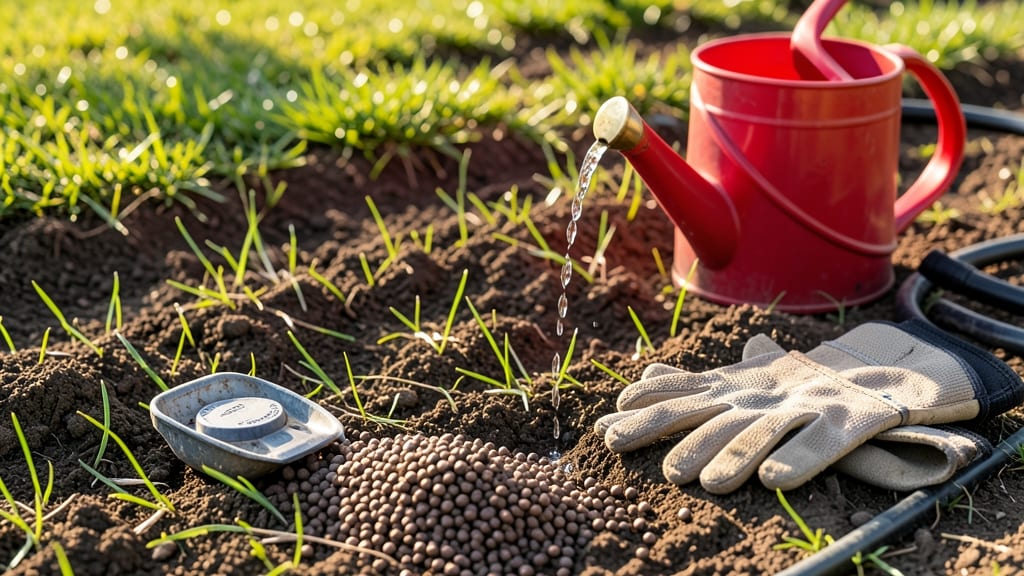
Fertilizing grass seed too soon after planting can burn delicate seedlings and set your lawn back for weeks, so timing is the key to strong roots and vibrant growth.
Picture this: you’ve just spread fresh grass seed 🌱, watered it carefully, and waited eagerly for those first green shoots. But if you add fertilizer too early, you risk stunting growth or even killing the tender sprouts before they take hold.
The 4-6 week rule isn’t just a suggestion—it’s the best way to ensure your lawn thrives from the start.
Why wait? Because young grass needs time to develop roots and establish itself. Fertilizer applied too soon can overwhelm the system, leading to nutrient burn or uneven growth. Instead, focus on keeping the soil moist and giving those roots a chance to strengthen before introducing extra nutrients.
In this guide, I’ll walk you through the science behind the timing, how to spot when your grass is ready for fertilizer, and the best types to use. By the end, you’ll know exactly when to feed your lawn for a lush, healthy start.
The 4-6 week fertilization rule: why timing matters for grass seed
When you plant grass seed, your first instinct might be to fertilize immediately—after all, who doesn’t want a lush lawn fast? But rushing fertilization can actually harm your new seedlings. The 4-6 week rule exists for a reason: young grass roots need time to establish before they can handle nutrients.
Fertilizer applied too early can burn tender seedlings or disrupt their delicate root development.
Think of it like a baby learning to walk. You wouldn’t hand them a backpack full of books—they need to build strength first. Similarly, grass seedlings need 4-6 weeks to develop a strong root system before they can process fertilizer efficiently.
During this time, they rely on the nutrients already in the soil and any starter fertilizer you mixed in at planting.
Here’s the science: Fertilizer contains salts that can dehydrate young roots and create a toxic environment. Grass seed needs to germinate, sprout, and develop a network of roots deep enough to absorb nutrients safely. Waiting ensures your lawn grows stronger, deeper roots that can handle fertilization without stress.
Now, let’s talk about the exceptions. Cool-season grasses like Kentucky bluegrass and fescue have different needs than warm-season grasses like Bermuda or Zoysia. Cool-season grasses often benefit from a light application of starter fertilizer at planting, but still need that 4-6 week wait before full fertilization.
Warm-season grasses, on the other hand, typically don’t need fertilizer until they’ve fully established, which can take even longer in hot climates.
If you’ve ever seen grass seedlings turn yellow or brown after fertilization, you’ve witnessed fertilizer burn firsthand. This happens when the high salt content in fertilizer draws moisture out of the roots faster than they can absorb it.
The result? Weak, stunted growth or even death of the seedlings. The 4-6 week rule gives your grass time to develop a robust root system that can handle the nutrients without stress.
Another critical factor is soil temperature. Grass seed germinates best when soil temps are between 60-75°F (15-24°C). If you fertilize too early, the nutrients may not break down properly in cooler soil, leading to uneven growth.
Waiting ensures the soil is warm enough for both root development and nutrient absorption.
Let’s address a common question: What if my grass looks thin or patchy after 4-6 weeks? This could signal nutrient deficiency, but it’s also a sign your grass is ready for fertilization. Before adding fertilizer, check for other issues like uneven watering or soil compaction.
If the problem persists, a light application of fertilizer can help, but always follow the 4-6 week rule to avoid overdoing it.
Pro tip: If you’re using organic fertilizers like compost or manure, they break down slowly and are less likely to burn seedlings. However, they still shouldn’t be applied until after the 4-6 week window. Organic options are gentler but require patience—just like chemical fertilizers.
Remember, the goal isn’t just a green lawn; it’s a healthy, resilient lawn that can withstand drought, pests, and foot traffic. By following the 4-6 week fertilization rule, you’re setting your grass up for long-term success. Patience now means a stronger lawn later—trust the process!
Signs your grass seed is ready for fertilizer (and what to avoid)
Your grass seed needs time to develop strong roots before fertilizer can help. Look for deep green leaves and 2-3 inch tall blades—these are clear signs your lawn is ready for nutrients. Root depth of 1-2 inches also confirms readiness, as shallow roots can't absorb fertilizer efficiently.
Check for uniform germination across your lawn—patchy growth means some areas need more time. If you see thick, healthy clumps of grass, it's time to fertilize. Avoid fertilizing if your grass looks sparse or uneven, as this indicates roots aren't established yet.
⚠️ callout warning
Never fertilize within 4-6 weeks of planting grass seed. Early fertilization can burn tender roots and inhibit germination. Wait until you see 2-3 inch tall grass with deep green color—this means roots are strong enough to handle nutrients.
What to do instead: Focus on consistent watering and light mulching to protect seedlings. If you accidentally fertilize too soon, rinse the soil immediately with water to dilute the fertilizer.
Watch for yellowing leaves or slow growth—these are red flags that your grass isn't ready. Yellowing often means overwatering or poor drainage, while stunted growth signals nutrient deficiency or stress. Correct these issues before fertilizing to avoid further damage.
Test your soil's moisture by lifting a small section of grass. If the soil feels damp but not soggy and roots are 1-2 inches deep, your lawn is ready. Overwatering post-fertilization can wash away nutrients, so water lightly after applying fertilizer to help absorption.
For cool-season grasses like Kentucky bluegrass, fertilize when they're actively growing in early spring or fall. Warm-season grasses like Bermuda grass need fertilization in late spring or early summer. Always choose a low-nitrogen starter fertilizer to avoid shocking new growth.
Remember, patience is key—rushing fertilization can set your lawn back weeks. If you're unsure, wait an extra week or two. A healthy root system will reward you with a thicker, greener lawn that withstands drought and pests better.