
How To
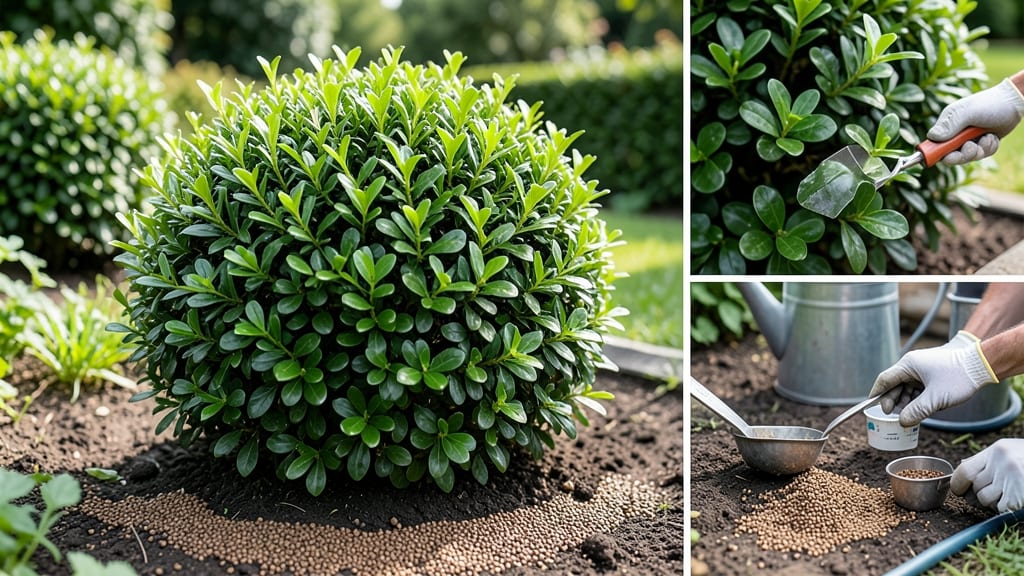
Fertilizing boxwood at the right time—early spring or late fall—is the key to keeping your 🌿 shrubs dense and thriving all season.
Picture this: You’ve just pruned your boxwoods back into shape, and now you’re wondering if they need extra nutrients to bounce back. The truth is, timing matters more than most gardeners realize—too soon, and you’ll stress the plant; too late, and you’ll miss the growing window entirely.
In this guide, I’ll break down the best months to fertilize based on your climate zone, how to spot when your boxwoods are actually hungry (hint: it’s not just about the calendar), and the simple steps to apply fertilizer without overdoing it.
Whether you’re in a coastal area with mild winters or an inland zone with harsh freezes, you’ll learn how to adjust your schedule for year-round health—no guesswork required.

Optimal fertilization timing for boxwoods: spring vs fall schedule
Boxwoods thrive when fertilized at the right times, but timing is everything—apply nutrients too early or too late, and you risk stressing your plants instead of nourishing them.
The two best windows for fertilization are early spring and late fall, each serving a unique purpose in your boxwood's growth cycle. These seasons align with natural growth patterns, ensuring nutrients are absorbed efficiently without causing winter damage or summer stress.
In spring, fertilization kickstarts new growth after winter dormancy, while fall applications help build root strength for the following year. However, the ideal timing varies slightly based on your USDA hardiness zone—cooler climates may shift schedules by 2-4 weeks compared to warmer regions.
Let's break down the science behind these timings and how to adapt them to your local conditions.
For spring fertilization, aim to apply nutrients when soil temperatures reach 50°F (10°C)—this ensures roots are active but not stressed by cold. In my Zone 6 garden, I fertilize boxwoods in early April using a slow-release granule spread evenly around the root zone.
Water thoroughly after application to help nutrients penetrate the soil and reach those hungry roots.
Fall fertilization follows a different strategy: the goal is to strengthen roots without encouraging tender new growth that could freeze. I switch to a low-nitrogen formula in late October, giving my boxwoods a nutrient boost while preparing them for winter.
This timing also helps prevent voles and deer from targeting stressed plants during harsh winters.
In warmer climates (Zones 8-10), the rules shift slightly. You can fertilize boxwoods in late winter (January-February) to take advantage of longer growing seasons. However, avoid fertilizing in summer heat, as this can lead to leaf scorch and fungal diseases.
Instead, focus on mulching and deep watering to support your boxwoods during peak temperatures.
One common mistake I see is over-fertilizing in spring, which leads to excessive soft new growth that's prone to damage. To avoid this, always follow the label recommendations for your fertilizer type.
For example, a 10-10-10 balanced fertilizer should be applied at 1 tablespoon per plant for small boxwoods and 2 tablespoons for mature shrubs. Always water before and after application to prevent root burn.
If you're unsure about your local
Signs your boxwood needs fertilizer (and when to skip it)
Your boxwood shrubs may be silently begging for nutrients without you even noticing. Yellowing leaves, stunted growth, or sparse foliage are classic signs your plants need a balanced fertilizer boost.
But before reaching for that bag of granules, it's crucial to distinguish between nutrient deficiencies and other stress factors like drought or poor soil drainage.
Start by examining the leaf color—healthy boxwood leaves stay deep green year-round. Pale yellow leaves often signal nitrogen deficiency, while brown leaf tips may indicate over-fertilization or dry soil. Slow growth or leggy stems also point to a need for nutrients, especially if your boxwood hasn't filled out as expected after 1-2 growing seasons.
🌿
⚠️ When to SKIP Fertilizing Your Boxwood:
Don't fertilize if your boxwood shows these red flags:
- 💧 Drought stress: Wilted leaves or dry soil (wait until soil is moist before fertilizing)
- ✂️ Recent pruning: Avoid fertilizing for 4-6 weeks after heavy pruning to prevent stress
- 🌱 Newly planted: Hold off for 8-12 weeks to let roots establish
- 🌡️ Extreme heat: Temperatures above 90°F (32°C) can burn roots
For accurate diagnosis, perform a simple soil test—boxwoods thrive in slightly acidic soil (pH 6.0-7.0).
If your soil tests show low organic matter (1-2%), amend it with compost or peat moss before fertilizing. Slow-release fertilizers are ideal for boxwoods, as they provide steady nutrition without risking burn damage from overapplication.
Pay attention to root growth patterns too—healthy boxwood roots spread 12-18 inches wide for mature plants.
If you see roots circling or compacted soil when digging, aerate first and fertilize lightly. Organic options like fish emulsion or bone meal work well for boxwoods, especially in USDA zones 6-8 where winters can be harsh.
Remember that over-fertilization is just as harmful as under-fertilizing. Burnt leaf edges or excessive new growth (especially late in the season) are clear signs you've overdone it.
Always water thoroughly after applying fertilizer to help nutrients reach the roots, and avoid fertilizing in late summer or fall—this encourages tender growth that won't survive winter.
🌱