
Fertilization
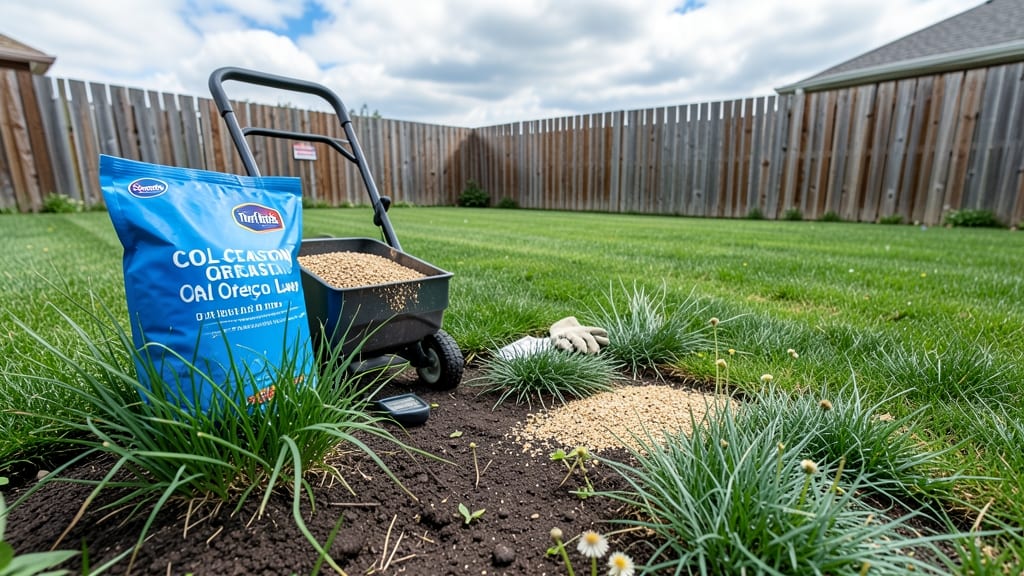
Fertilizing grass in Oregon at the right time—spring and fall—is the secret to a thick, green lawn that survives the state’s unpredictable weather.
Oregon’s rainy winters and dry summers can throw off even the best-laid lawn plans, but sticking to a seasonal schedule keeps your 🌱 thriving year-round. Cool-season grasses like fescue and Kentucky bluegrass need feeding in early spring and late summer, while warm-season types (like Bermuda) follow a different rhythm.
Timing isn’t just about months—it’s about soil, rain, and even your neighborhood’s microclimate. Too much fertilizer in summer can burn grass, while skipping fall applications weakens roots before winter. I’ll walk you through the exact windows, adjustments for coastal vs. inland zones, and how to read your lawn’s signals.
By the end, you’ll know when to feed, when to skip, and how to pick the right fertilizer for Oregon’s rules—including phosphorus restrictions. Let’s get that lawn lush without the guesswork.

Best fertilization timeline for Oregon grass types (cool vs warm season)
Oregon’s diverse climate zones—from the rainy Willamette Valley to the dry High Desert—require precise fertilization timing for healthy grass. Cool-season grasses like fescue, bluegrass, and ryegrass dominate most lawns, while warm-season grasses like Bermuda and zoysia thrive in southern Oregon.
The key? Matching your grass type to Oregon’s microclimates and seasonal shifts.
In cooler regions (USDA zones 7b–8a), fertilization peaks in early spring and fall to align with grass growth cycles. Meanwhile, southern Oregon’s warmer zones (9a) benefit from summer feedings to sustain warm-season grasses during peak heat. Soil testing (pH 6.0–7.0) is critical—Oregon’s phosphorus restrictions mean choosing the right fertilizer matters.
Comparison Table: Fertilization Timelines for Oregon Grass
| Grass Type | Climate Zone | Spring (Mar–May) | Summer (Jun–Aug) | Fall (Sep–Nov) | Winter (Dec–Feb) |
|---|---|---|---|---|---|
| Fescue, Bluegrass, Ryegrass | Willamette Valley, Coast, High Desert | Feed (Mar–Apr) | Light (Jun) or Skip | Feed (Sep–Oct) | Light (Dec) if mild |
| Bermuda, Zoysia | Southern OR (9a: Medford, Klamath) | Light (Apr–May) | Feed (Jun–Jul) | Light (Sep) | Skip |
For cool-season grasses, the first feeding in March kickstarts growth after winter dormancy. Use a high-nitrogen fertilizer (e.g., 24-0-5) to promote leafy blades. In late spring, reduce applications to avoid burning grass before summer dormancy. Fall fertilization (September–October) is crucial—it strengthens roots for winter resilience.
Warm-season grasses like Bermuda and zoysia thrive in southern Oregon’s heat. Fertilize lightly in April to wake up roots, then focus on summer feedings (June–July) when growth peaks.
Avoid fertilizing in winter—these grasses go dormant. Pre-emergent herbicides (applied in early spring) can protect warm-season lawns from weeds, but time it right to avoid harming new grass shoots.
Oregon’s High Desert (e.g., Bend, La Grande) has drier summers and colder winters. Here, cool-season grasses benefit from early spring and fall feedings, while warm-season grasses may struggle without supplemental watering. Always adjust for rainfall—skip fertilizing after heavy downpours to prevent runoff.
Pro tip: Split applications work best. For example, divide your spring feeding into two doses—one in March and another in May.
This prevents nutrient overload and promotes steady growth. Organic options like compost or fish emulsion are great for slow-release nutrients, especially in clay-heavy soils common in the Willamette Valley.
Watch for yellowing grass or slow growth—these are signs your lawn needs fertilizer. But if your grass looks healthy and green after rain, hold off. Over-fertilizing wastes nutrients and can harm the environment, especially in Oregon’s phosphorus-restricted areas. Always follow local guidelines and soil test results.
In coastal Oregon (e.g., Astoria, Cannon Beach), milder winters mean cool-season grasses stay active longer. You might extend your fall feeding into November for extra vigor. Meanwhile, inland areas (e.g., Salem, Corvallis) with frost risks should finish fertilizing by late October to avoid winter damage.
Remember: Timing is everything. Fertilize when grass is actively growing, not during dormancy or stress. For cool-season grasses, that’s spring and fall; for warm-season, it’s late spring to summer. Stick to this schedule, and your Oregon lawn will stay lush year-round.
How to adjust fertilizer timing for Oregon’s microclimates (rain, drought, frost)
Oregon’s West Coast rain and High Desert droughts create unique challenges for lawn fertilization. Heavy rainfall can leach nutrients, while summer heat stresses grass, and early frosts demand precise timing. Adjusting your schedule based on your local microclimate ensures your grass thrives without waste or damage.
For coastal regions like the Willamette Valley, split your spring applications into smaller doses to prevent nutrient runoff during heavy rains. In eastern Oregon, where drought is common, focus on deep watering before fertilizing to help grass absorb nutrients efficiently.
- 1. Coastal Areas (Heavy Rain): Apply pre-emergent herbicide in early March to block weeds before grass greens up. Split fertilizer into 3 applications (March, May, September) with low nitrogen to avoid runoff.
- 2. Willamette Valley (Mild Winters): Delay first feeding until late March to avoid frost damage. Use slow-release fertilizer in fall (October) to strengthen roots before winter.
- 3. High Desert (Drought Risk): Fertilize only after deep watering (1–1.5 inches). Apply half the dose in spring and fall, skipping summer to prevent stress.
- 4. Early Frost Zones (Eastern OR): Finish last fall feeding by mid-September to allow grass to harden off. Use winterizer fertilizer (high potassium) for cold protection.
- 5. Pre-Emergent Timing: Apply 2–4 weeks before crabgrass seeds germinate (late April–early May). Reapply in fall (September) for winter weeds.
If you’re in a frost-prone area, like the Umatilla Basin, avoid fertilizing when frost is forecasted. Nutrients can burn tender grass blades, leaving your lawn vulnerable to cold stress. Instead, focus on light applications in late winter (February) to kickstart growth without risk.
For drought-stressed lawns, reduce fertilizer frequency to every 8–10 weeks in summer. Over-fertilizing during dry spells encourages shallow root growth, making grass more susceptible to heat. Pair applications with deep watering (1–1.5 inches) to help roots access nutrients.
Always test soil pH before fertilizing—Oregon’s acidic soils (common in the Coast Range) may need lime to activate nutrients. Aim for a pH of 6.0–7.0 for optimal grass uptake. Adjust your fertilizer blend based on test results (e.g., more phosphorus if soil is deficient).
Pro tip: Use a rain sensor on your irrigation system to pause watering during heavy downpours. This prevents nutrient leaching and ensures your fertilizer stays where it’s needed—right in the root zone. 🌱