
Plants
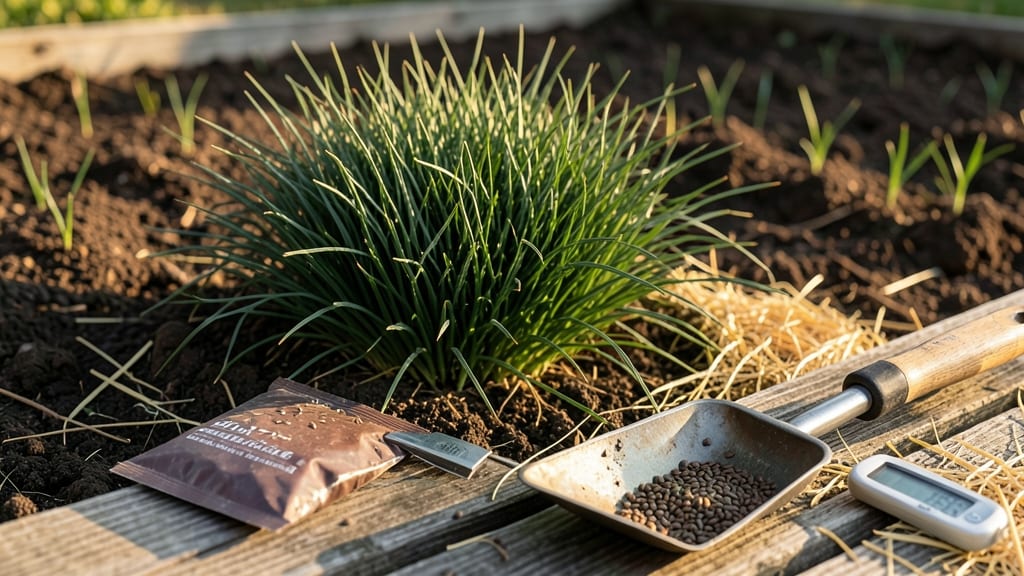
Plant annual ryegrass in Texas between late August and mid-September for the best drought-resistant fall cover 🌾 — a window that lets it establish roots before winter’s chill.
Texas gardeners know the struggle of finding cover crops that survive the state’s brutal heat—until annual ryegrass enters the picture. This hardy grass thrives when planted at the perfect late-summer window, offering drought resistance and soil protection before winter.
But timing is everything: plant too early, and you’ll battle weeds; too late, and frost zaps its potential.
Regional differences matter, too. North Texas (zones 7b-8a) should aim for early September, while South Texas (zones 9a-11) can stretch until mid-October. The key is getting seeds in the ground when soil temps drop below 75°F and before the first 50°F nights signal frost.
Below, I’ll break down the exact planting windows by region, soil prep secrets to outsmart Texas’ erratic fall rains, and how to adjust for drought-prone areas—so your cover crop survives where others fail.
Best late-summer planting windows for annual ryegrass in Texas regions
Annual ryegrass (Lolium multiflorum) is a Texas gardener’s secret weapon for fall soil protection and drought resistance. But planting too early invites weeds, while late plantings risk frost damage.
The ideal window spans August 15–September 15, tailored to your region’s first 50°F nights and 60% soil moisture thresholds. Let’s break down the perfect timing for North, Central, and South Texas—plus heat-tolerance hacks for West Texas.
Your success hinges on soil temperature and local frost dates. North Texas (USDA Zones 7b–8a) faces earlier frosts, while South Texas (Zones 9a–11) enjoys milder winters. Central Texas (Zones 8a–9a) sits in the middle, demanding precise timing.
Below, I’ve mapped out the exact planting windows and climate triggers to ensure your annual ryegrass establishes before winter dormancy.
⚠️ NON-NEGOTIABLE: Always check your local frost dates—North Texas averages December 1, while South Texas holds off until December 15. Planting 4–6 weeks before the first frost gives roots time to anchor.
For North Texas, aim to plant by September 1 to avoid the first 50°F nights in mid-November. Use a soil thermometer—roots struggle below 75°F. In Central Texas, the window stretches longer (August 20–September 10), but compacted clay soils need extra aeration to prevent waterlogging.
South Texas gardeners have the latest window (August 25–September 15), thanks to milder winters. However, sandy soils dry faster—monitor soil moisture weekly. In West Texas, where heat stress is critical, plant by September 5 and use mulch to retain moisture.
For early September plantings, water daily until germination (7–10 days).
Pro tip: Overseed existing lawns in North Texas by August 20 to outcompete weeds before winter. Use a slit seeder for even distribution. In Central and South Texas, mix seeds with compost to improve soil contact—critical for drought-prone areas.
Always test soil pH (aim for 6.0–7.0) to maximize root growth.
Watch for heat stress signs: yellowing leaves or wilting after 90°F+ days. If planting in early September, water deeply twice daily until soil cools below 85°F. In West Texas, consider shade cloth for the first 2 weeks post-planting.
With the right timing, your annual ryegrass will establish a dense cover before winter, protecting soil and suppressing weeds.
Remember: Frost is the enemy. North Texas’ December 1 frost can kill tender seedlings, while South Texas’ December 15 frost gives you extra time. Always check local forecasts and adjust your planting date accordingly.
With these region-specific windows, your annual ryegrass will thrive—no matter where you garden in Texas.
🌾
How to time annual ryegrass planting for maximum drought resistance
Timing your annual ryegrass planting in Texas isn’t just about avoiding frost—it’s about outsmarting the state’s unpredictable fall rains and soil temperature swings. The key? Planting when soil temps drop below 75°F but before the first 50°F nights hit.
This window ensures roots establish deep enough to tap into moisture, giving your cover crop the drought resistance it needs to thrive through winter’s dry spells.
My secret weapon? Checking the National Weather Service’s 7-day rainfall forecast before seeding. A 1-inch rain event within 10 days of planting can make or break germination—too much water washes seeds away, while too little leaves them high and dry.
Aim for consistent moisture after planting, and you’ll see those green shoots within 7–14 days, even in Texas’ most erratic weather.
Prepping your soil is just as critical as timing. Start with a pH test—annual ryegrass thrives in 6.0–7.0 range. If your soil is too acidic, mix in lime 4–6 weeks before planting.
For organic matter boost, work in 2–3 inches of compost or well-rotted manure. This improves water retention, which is non-negotiable in Texas’ drought-prone fall seasons.
Pro tip: If you’re overseeding an existing lawn, mow the grass short (1–1.5 inches) and aerate 2–3 days before planting. This creates the perfect seed-to-soil contact for germination.
Water lightly after aerating to help seeds settle into the soil—this step alone can double your success rate in clay-heavy Texas soils.
After planting, keep soil consistently moist for the first 3 weeks. Use a drip irrigation system or soaker hose to deliver water slowly and deeply, avoiding surface puddles. Once established, annual ryegrass can handle moderate drought, but young seedlings need steady moisture to develop deep roots.
Think of it as giving your grass a head start on survival.
Finally, monitor your progress with the 7-day rule: If you don’t see sprouts within 7 days of planting, check for seed viability or soil moisture issues. Adjust watering or re-seed if needed.
With the right timing and care, your annual ryegrass will become a drought-resistant powerhouse, protecting your soil and outlasting Texas’ wild weather swings.