
Trees
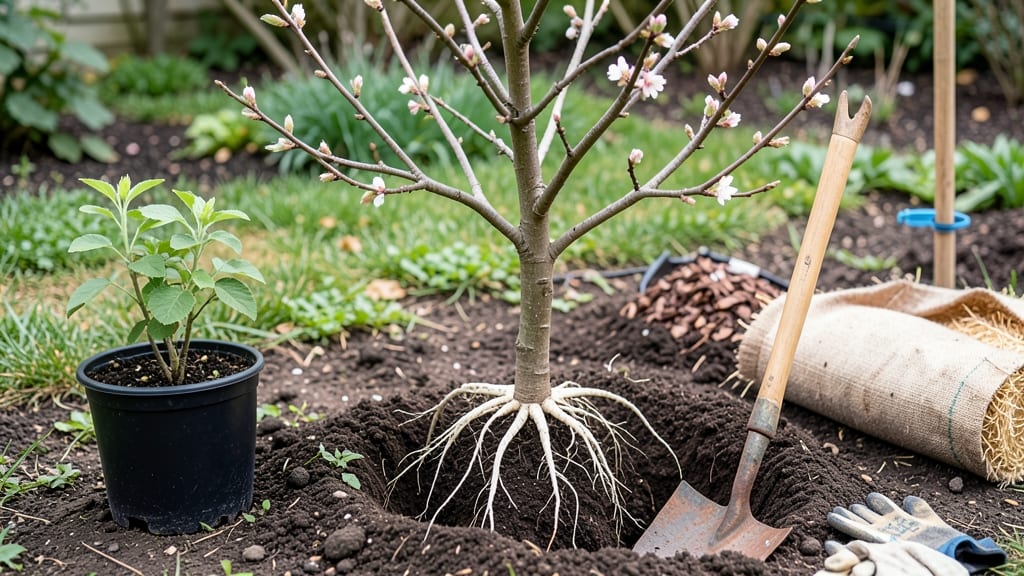
Planting apple trees in New Jersey at the right time ensures strong roots and a fruitful harvest 🍎 — aim for late winter through early spring when the soil thaws but before buds swell.
Picture this: you’ve picked the perfect spot, your tree is ready, but you plant it too late in spring, and the roots struggle to establish before summer heat sets in. Or worse, you plant in fall, and a late frost wipes out your young sapling before it even takes hold.
NJ’s 6a-7b climate means timing matters more than you might think. The ideal window—February through April—gives your tree’s roots time to settle before summer stress arrives.
Below, I’ll walk you through the best months, soil prep, and long-term care to set your apple tree up for decades of harvests.
From choosing bare-root vs. container-grown trees to avoiding common pitfalls, this guide covers everything you need to know for maximum success in the Garden State. Let’s get those roots growing!
Best months to plant apple trees in NJ for optimal root establishment
New Jersey’s USDA zones 6a-7b create a unique window for planting apple trees, where timing directly impacts root growth and winter survival. Unlike warmer climates, NJ’s cold winters and variable soil temperatures demand precise planting months to avoid frost damage or stunted development.
For bare-root apple trees (most common in NJ nurseries), the ideal planting window spans late winter to early spring—specifically March and April. This aligns with the tree’s dormant period and allows roots to establish before summer heat arrives.
Varieties like Honeycrisp and Fuji thrive when planted during this time.
Container-grown apple trees offer slightly more flexibility, with February through May as safe months. However, planting in late May or June risks heat stress, especially for young roots struggling to adapt. Always check soil temperatures—aim for 45°F or warmer to prevent cold shock.
Fall planting is not recommended in NJ due to the risk of winter heaving (soil freezing and thawing damaging roots). If you must plant in fall, do so at least 6 weeks before first frost (typically by late September) and protect the root zone with mulch.
| Planting Window | Best For | Soil Temp | Root Establishment | NJ Risk Factors |
|---|---|---|---|---|
| Late Winter (Feb) | Bare-root trees | 35–45°F | Slow but steady | Late frost damage |
| Early Spring (Mar-Apr) | Bare-root & containers | 45–60°F | Optimal (6–8 weeks) | None (ideal window) |
| Late Spring (May) | Containers only | 55–70°F | Slower (heat stress) | Drought risk |
| Fall (Sep) | Emergency only | 50–60°F | High (winter heaving) | Frost heave |
Varieties like Granny Smith (a cooler-climate favorite) benefit from March planting, while Fuji (more heat-tolerant) can handle late April without stress. Always check the root flare—the swollen base where roots meet the trunk—should sit 1–2 inches above soil level after planting.
NJ’s northern counties (e.g., Sussex) have earlier frost dates, so aim for late March to mid-April. Southern NJ (e.g., Cape May) can extend planting to early May due to milder winters. Use a soil thermometer to confirm temperatures before planting.
After planting, mulch heavily (4–6 inches of wood chips) to insulate roots and retain moisture. Water deeply once a week during dry spells, focusing on the root zone. Avoid overhead watering to prevent fungal diseases like apple scab, common in NJ’s humid summers.
For container-grown trees, remove the pot and loosen roots before planting. Amend the soil with compost and a balanced fertilizer (10-10-10) to kickstart growth. Container trees adapt faster but still need 6–8 hours of sun daily for strong root development.
Monitor your tree’s progress by checking for new leaf growth in spring—a sign roots are establishing. If leaves appear yellow or wilted, adjust watering or check for root rot, which thrives in NJ’s heavy clay soils.
How to prepare your NJ garden site for apple tree planting success
New Jersey’s varied soil types and humid climate demand careful preparation before planting your apple tree. Whether you’re working with sandy coastal soils or clay-rich inland areas, proper site prep ensures strong root development and healthy growth.
Start by choosing a location with full sun exposure—at least 6-8 hours daily—and protection from harsh winds that can stress young trees.
Before breaking ground, test your soil pH using a home kit or send a sample to the NJ Agricultural Experiment Station. Apple trees thrive in slightly acidic soil with a pH between 6.0 and 6.5.
If your soil is too alkaline, amend it with sulfur or peat moss to lower the pH gradually. For poor drainage areas, consider raised beds or mounding soil to prevent root rot, a common issue in NJ’s wetter regions.
Step-by-Step NJ Apple Tree Site Prep
- 1
- 2
- 3
- 4
- 5
After planting, mulch around the base with 3-4 inches of organic mulch (e.g., wood chips or straw) to retain moisture and suppress weeds. Keep the mulch 6 inches away from the trunk to prevent rot.
In NJ’s Zone 6a-7b, water deeply once a week during the first growing season, ensuring the soil stays moist but not waterlogged. Avoid overwatering, which can lead to root suffocation in NJ’s heavy clay soils.
For container-grown trees, remove the pot and loosen any circling roots before planting. Gently spread the roots outward in the hole to encourage a wide root system.
If you’re planting in fall (not recommended in NJ), do so at least 6 weeks before frost to allow roots to establish before winter. Always water thoroughly after planting to eliminate air pockets around the roots.
Finally, consider installing a tree guard to protect young trees from deer and rabbits, which are common in NJ gardens. With proper site prep, your apple tree will establish strong roots and thrive in NJ’s climate, rewarding you with homegrown fruit for decades.