
Plants
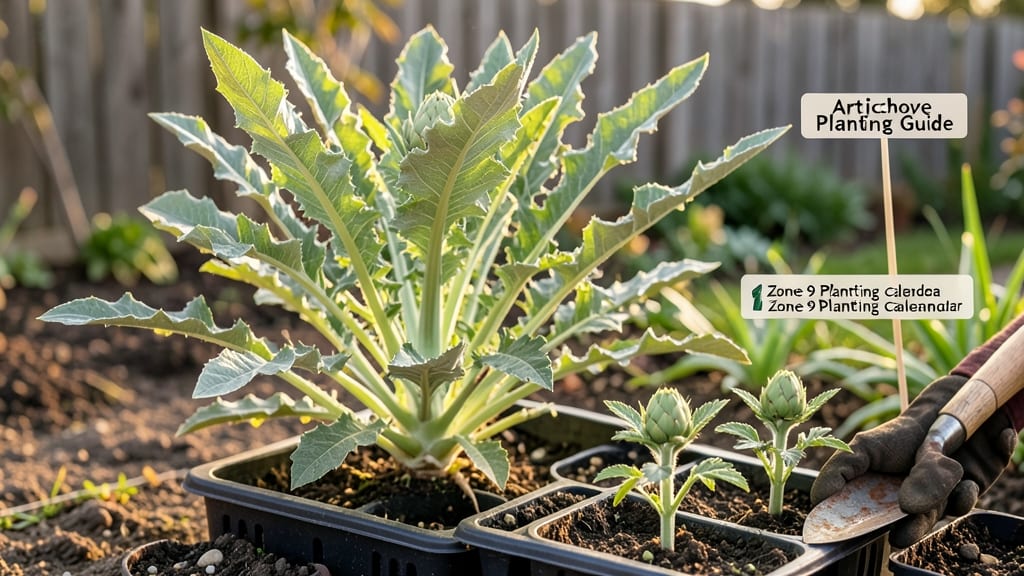
Planting artichokes in Zone 9 during the fall months sets them up for a thriving winter harvest 🌱 — but timing is everything to avoid bolting and wasted effort.
Artichokes thrive in Zone 9’s mild winters—but planting them at the wrong time can trigger bolting, turning your edible buds into bitter flowers before harvest. Master these precise timing strategies to grow lush, productive plants year after year.
Fall is your best bet in Zone 9, where frost is nonexistent and the rainy season kicks in just as the plants need moisture. Plant between October and December, aligning with the natural cycle to ensure strong roots before the growing season peaks.
In this guide, I’ll break down the exact calendar dates for both fall and spring planting, soil prep secrets, and how to spot the first signs of bolting before it’s too late.
Optimal planting windows for artichokes in Zone 9 (with exact calendar dates)
Zone 9’s mild winters and extended growing season make it perfect for artichokes—but timing is everything. Plant too early, and your globe artichokes will bolt in summer heat.
Too late, and you’ll miss the harvest window before winter rains arrive. Here’s my exact calendar for success, tailored to coastal vs. inland microclimates.
Artichokes thrive when planted 4-6 weeks before your region’s first cool snap (typically October 15–November 15 in inland areas). Coastal gardeners can push this to November 1–December 15 thanks to moderating ocean breezes. French varieties like ‘Violetto’ tolerate slightly warmer soils, while ‘Green Globe’ prefers cooler starts.
| Planting Window | Variety | Microclimate | Key Prep Step |
|---|---|---|---|
| October 15–November 15 | Green Globe | Inland | Soil temp <10°C (50°F) |
| November 1–December 15 | Violetto | Coastal | Mulch with straw |
| January 15–February 15 | Both | All | Use shade cloth |
| September 1–15 (late) | Green Globe | Coastal | Drip irrigation |
Spring planting is riskier in Zone 9 but works if you start January 15–February 15. Use shade cloth (30-50%) to protect seedlings from late-winter sun, which can trigger bolting.
French varieties handle heat better, so prioritize them for spring starts. For overwintering, plant September 1–15 only in coastal areas where summer heat breaks by October.
Inland gardeners should avoid late-summer planting—temperatures above 85°F (29°C) will shock young plants. Instead, focus on fall prep: amend soil with compost and aged manure by August 1 to ensure nutrients are available when roots establish.
Test your soil’s pH (6.5–7.5) and adjust with lime or sulfur if needed.
Coastal gardeners enjoy a 2-week advantage thanks to ocean breezes that delay heat stress. Plant Violetto or ‘Purple of Rome’ varieties in November for a spring harvest before summer’s intensity peaks. Inland areas should stick to October plantings and expect harvests to stretch into June.
Pro tip: Mark your calendar for March 15—this is when French artichokes typically need light pruning to encourage side shoots. Globe types will bolt by then, so harvest them first. Save seedlings from mature plants for next year’s garden by June 1 before summer dormancy sets in.
Zone 9’s no-frost guarantee means you can experiment with year-round production, but temperature swings (like Santa Ana winds) can stress plants. Monitor soil temps with a probe—keep them below 75°F (24°C) for optimal growth. Mulch with straw or wood chips to stabilize temps and retain moisture.
For container growing, use 15-gallon pots and plant October 1–November 15. Containers heat up faster, so move them to shaded patios by May 1. Dwarf varieties like ‘Baby Blue’ thrive in this setup, yielding smaller but sweeter buds perfect for appetizers.
Remember: Artichokes are biennials—they’ll produce heaviest yields in their second year. If you plant in fall 2024, expect first harvests in spring 2025 and peak production in spring 2026. Plan ahead by saving seed or buying new plants annually if space is limited.
🌱
How to prevent bolting in hot Zone 9 summers (proven temperature tricks)
Zone 9 summers can turn your artichoke plants into bitter-flavored blooms if you don't act fast. The key to preventing bolting lies in understanding how heat stress triggers premature flowering.
Artichokes like Green Globe and Imperial Star varieties respond differently to temperature spikes, so choosing the right one is your first line of defense.
When daytime temperatures climb above 85°F (29°C) for extended periods, your plants will start sending energy toward flower production instead of bud development. This is especially critical in inland Zone 9 areas like Phoenix, where heat waves can push temperatures into the 100s°F (38°C+) range during summer.
Here's the science: Artichokes are cool-season crops that naturally bolt when exposed to prolonged warmth. The vernalization process (cold requirement) isn't fully satisfied in Zone 9's mild winters, making them more sensitive to summer heat than northern-grown varieties. Without intervention, you'll lose your harvest window completely.
⚠️ Critical Bolting Warning for Zone 9 Growers
If your artichoke plants show purple-tinged buds or elongated stems before March, they've already bolted. The 30-day rule applies: once you see these signs, you have 30 days max to harvest before the buds become inedible. Prevention is your only option in Zone 9's intense summers.
Action Steps: Monitor plants daily during heat waves (90°F+). Provide shade cloth immediately if leaves show yellowing or wilting.
Start with shade strategies as your first defense. Use 30-50% shade cloth during peak afternoon sun (12 PM - 4 PM) when temperatures exceed 85°F (29°C).
For container-grown artichokes, move pots to morning sun only positions during summer months. This simple adjustment can delay bolting by 4-6 weeks while maintaining plant health.
Soil cooling is equally important. Mulch your artichoke beds with 4-6 inches of straw or wood chips to keep root zones 10-15°F cooler than surface temperatures. For container plants, add hydrogel crystals to potting mix to retain moisture and regulate temperature. Remember: cooler roots = delayed bolting.
Watering timing makes a surprising difference. Instead of daily light watering, switch to deep irrigation every 3-4 days at dawn. This encourages deeper root growth, which helps plants withstand heat better. Avoid evening watering—wet foliage at night promotes fungal diseases that weaken plants during critical summer months.
For the most heat-tolerant varieties, opt for 'Green Globe' (best for containers) or 'Imperial Star' (more drought-resistant). These varieties can handle short heat spells better than standard types. Pair them with mycorrhizal fungi at planting to improve root resilience during summer stress periods.