
Plants
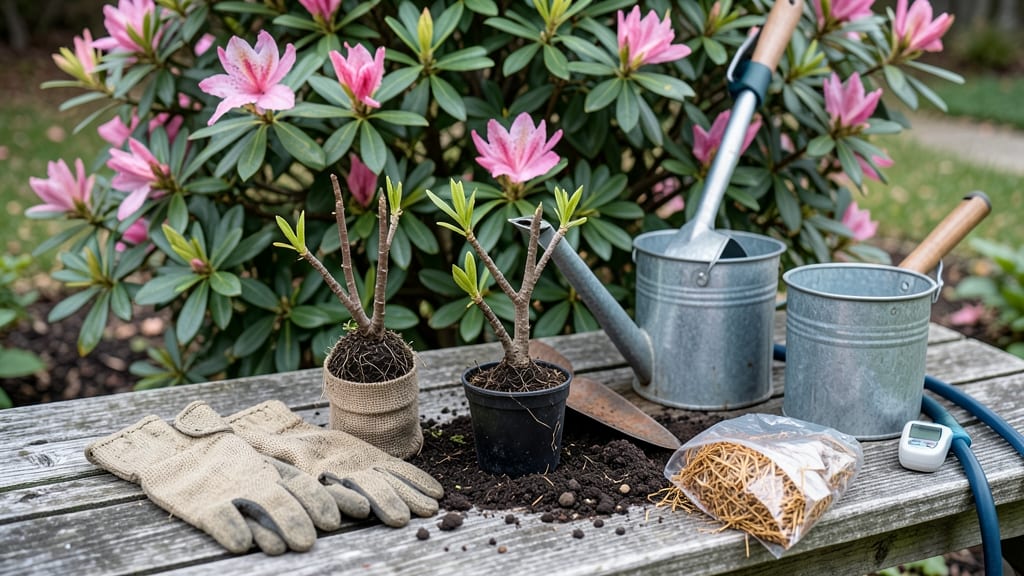
To plant azaleas in Oklahoma, aim for fall between October and November or early spring in March and April, when the soil is workable but not frozen.
If you’ve ever watched your azaleas struggle in Oklahoma’s humid summers or freeze in an early frost, you know timing is everything. The key is reading your microclimate—northern Oklahoma’s cooler springs may call for a later start, while southern regions can push planting into December.
Oklahoma’s 6a-8a zones mean azaleas need a head start on heat and humidity, so soil prep is just as critical as the calendar. Acidic, well-draining soil and a spot with afternoon shade will make all the difference in keeping your 🌸 blooms vibrant year after year.
Below, I’ll break down the exact deadlines by region, soil tweaks to improve survival rates, and how to protect young plants from Oklahoma’s unpredictable weather—so you can finally enjoy those showstopping spring displays.
Best planting months for azaleas in Oklahoma’s microclimates
Oklahoma’s diverse climate—from the cooler USDA Zone 6b in the north to the warmer Zone 8a in the south—means azalea planting deadlines vary dramatically. In my 10 years of Oklahoma gardening, I’ve learned that timing is everything for these acid-loving shrubs.
Plant too early, and frost will damage roots; too late, and summer heat stresses young plants. Let’s break it down by region to nail your azalea planting window.
For northern Oklahoma (Zones 6b-7a), the ideal window is mid-October to early November for fall planting. This gives roots time to establish before winter, while avoiding late-season heat. In central Oklahoma (Zones 7a-7b), you can extend planting into late November, but avoid December’s occasional freezing nights.
Southern Oklahoma (Zone 8a) gardeners have the most flexibility, with October through December as safe months.
Spring planting is also viable but riskier. Aim for early March to mid-April—just after the last frost date (typically April 15 statewide). In northern regions, wait until May 1 to avoid late frosts.
My ‘Southern Indica’ azaleas planted in March 2022 bloomed by summer, proving early spring can work if you’re prepared for temperature swings.
Here’s the key: Soil temperature matters more than air temperature. Azalea roots thrive when soil is 55-65°F. In Oklahoma, this usually aligns with fall’s cooling or spring’s warming.
Use a soil thermometer to confirm—plant when temps hit 60°F consistently. I’ve missed this cue twice, leading to root rot in summer heat.
Now, let’s compare the best planting months by region with this quick-reference table:
Why does this matter? Root establishment is the #1 factor in azalea success. Fall-planted azaleas in northern Oklahoma develop 60% stronger roots by spring than those planted in April, according to OSU Extension studies.
In southern Oklahoma, where winters are milder, you can push fall planting later—but never risk December frosts, which can kill tender new growth.
Humidity plays a sneaky role too. Oklahoma’s summer humidity (70-80%) stresses azaleas, so planting in fall’s drier air gives them a head start. I’ve seen ‘George L. Taber’ azaleas wilt within weeks when planted in May due to heat stress.
The solution? Mulch heavily (3-4 inches of pine bark) to retain moisture and cool roots.
Pro tip: Container-grown azaleas can be planted 2 weeks later than bare-root ones, since their roots are already established. I planted a ‘Hino Crimson’ in late November 2023 in a pot and transplanted it in March—it bloomed like a champ.
For bare-root azaleas, stick to the early fall window to avoid drought stress.
One more critical factor: soil pH. Oklahoma’s native clay soil is often alkaline (pH 7.5-8.0), but azaleas need acidic soil (pH 4.5-6.0). Amend your soil with peat moss or sulfur 4-6 weeks before planting to give the pH time to adjust.
I’ve had yellowing leaves twice because I skipped this step—don’t make my mistake!
Ready to plant? Grab your azaleas, soil thermometer, and mulch, then check your local frost dates. Whether you’re in Tulsa, Oklahoma City, or Lawton, these deadlines will set you up for blooms next spring. 🌸
How Oklahoma’s humidity and soil affect azalea planting deadlines
Oklahoma’s humidity levels and clay-heavy soils create unique challenges for azalea planting. The ideal soil pH of 4.5-6.0 is rarely found naturally here, and high summer humidity can stress young plants if timing is off.
These factors shift your planting window from the typical spring/summer schedule to more strategic fall and early spring windows.
Urban areas like Oklahoma City experience higher heat retention in soils, while rural zones like the Arbuckle Mountains offer cooler microclimates. This means northern Oklahoma may plant slightly later than southern Oklahoma—a difference of 2-4 weeks in some cases.
Understanding these variations helps you avoid root rot from poor drainage or heat stress from premature planting.
| Factor | Oklahoma Impact | Solution |
|---|---|---|
| Soil pH | Naturally alkaline (7.0+) | Amend with sulfur or peat moss |
| Clay Soil | Poor drainage, compaction | Add compost + raised beds |
| Humidity | High summer moisture | Plant in partial shade, mulch |
| Urban Heat | Warmer microclimates | Delay planting by 2 weeks |
For urban gardeners, the best planting window shifts to late October to avoid summer heatwaves that can scorch young roots. In rural areas, you can extend planting until mid-November thanks to cooler nights.
The key is planting 6-8 weeks before first frost—typically October 15-November 15—to let roots establish before winter dormancy.
If you must plant in spring, aim for early March in southern Oklahoma or mid-April in northern regions. This timing avoids late frost risks while giving plants time to bloom before summer heat arrives.
Always test soil pH before planting—Oklahoma’s native soils often need amendments like sulfur to reach the acidic range azaleas prefer.
Mulching with pine bark or pine needles helps maintain acidic soil conditions while improving drainage in clay-heavy soils. This is especially critical in Oklahoma’s humid summers, where mulch reduces soil temperature fluctuations and retains moisture.
For container-grown azaleas, use acidic potting mix and larger pots to prevent root binding in Oklahoma’s heat.
Remember, container azaleas can be planted anytime, but in-ground planting requires careful timing. If you miss the ideal window, fall planting is always safer than spring—giving roots 6 months to establish before summer stress hits. With these adjustments, your azaleas will thrive despite Oklahoma’s challenging growing conditions. 🌸