
Plants
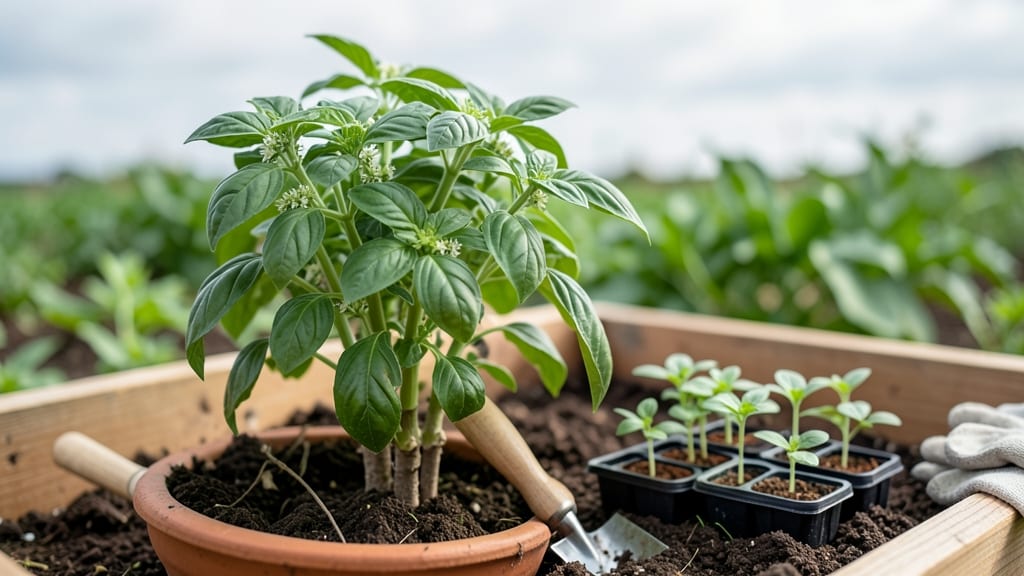
Planting basil in Arizona means timing your seeds for fast growth before the summer heat takes over—aim for late February to early March for the best results.
Picture this: you’ve just transplanted your seedlings into the garden, only to watch them bolt into flower by May because you missed the sweet spot between frost risk and scorching temps. Arizona’s desert climate demands precision, and getting it wrong means wilted leaves instead of flavorful harvests.
The secret lies in understanding your microclimate—whether you’re in Phoenix’s low desert or Flagstaff’s high country—so you can adjust planting dates, soil prep, and watering to keep your 🌿 thriving when it matters most.
Below, I’ll break down the exact windows for starting seeds indoors, transplanting outdoors, and even how to stretch your harvest into early summer before the real heat hits.
Best planting windows for basil in Arizona’s climate zones
Arizona’s USDA Zone 9b climate creates unique challenges for growing basil. The Valley of the Sun (Phoenix) and high desert (Flagstaff) have vastly different frost risks, while Tucson’s monsoon patterns demand precise timing.
To succeed, I’ve broken down the optimal planting windows for each region, accounting for soil warmth, heat tolerance, and microclimates that can shift your harvest by weeks.
In Phoenix and Tucson, where last frost dates average January 15 but 110°F+ temperatures arrive by June, basil thrives in a 6-week window between mid-February and late March. Meanwhile, Flagstaff’s cooler high-desert climate extends the window slightly later, with March 15–April 15 being ideal.
The key? Start seeds indoors 4–6 weeks before your target outdoor date to beat the heat.
Here’s how I’ve adapted the planting timeline for Arizona’s three major regions, including direct sowing vs. indoor starts to maximize your harvest before summer’s intensity.
| Region | Indoor Start (Seeds) | Outdoor Transplant | Direct Sow Outdoors | Harvest Window | Key Challenge |
|---|---|---|---|---|---|
| Phoenix (Low Desert) | Jan 15–Feb 15 | Feb 20–Mar 15 | Mar 1–Mar 15 | April–June (tapering by July) | 110°F+ heat stress |
| Tucson (Mid-Desert) | Feb 1–Feb 28 | Feb 28–Mar 31 | Mar 10–Apr 1 | April–June (monsoon risks) | Unpredictable monsoon downpours |
| Flagstaff (High Desert) | Feb 15–Mar 15 | Mar 15–Apr 15 | Apr 1–Apr 15 | May–July (shorter window) | Late frosts (after April 1) |
For Phoenix gardeners, I recommend starting seeds indoors by January 15 to transplant by February 20. The soil temperature must reach 50°F+—use a soil thermometer to confirm.
In Tucson, delay slightly due to monsoon risks; aim for March 10 direct sowing to avoid fungal diseases from sudden rain.
In Flagstaff’s cooler climate, wait until April 1 for direct sowing to avoid late frosts, which can still occur after April 15. I’ve found that container gardening works best here, as it lets you move pots to protected microclimates if frost threatens.
Use black plastic mulch to warm soil faster in these high-altitude areas.
Pro tip: Heat-tolerant varieties like ‘Genovese’ or ‘Spicy Globe’ perform best in Arizona’s 100°F+ afternoons. For extended harvests, succession plant every 2 weeks from February through April. This ensures fresh basil even as temperatures climb—just be prepared to provide afternoon shade by June.
One common mistake I see? Planting too late and ending up with bolted basil by May. To avoid this, mark your calendar for March 15 as the absolute deadline for outdoor transplants in Phoenix/Tucson.
After that, your basil will struggle to recover from heat stress and may flower prematurely, reducing flavor and yield.
For container growers, you can push the envelope slightly. I’ve had success keeping potted basil thriving in partial shade through July by watering daily at dawn and using 5-gallon fabric pots for better drainage. Just avoid plastic containers, which overheat and stress roots in Arizona’s intense sun.
Finally, remember that Arizona’s elevation plays a huge role. A Tucson backyard at 2,500 feet may have warmer microclimates than a Flagstaff garden at
How to extend your basil harvest in Arizona’s extreme heat
Arizona’s 110°F+ temperatures can turn basil from vibrant green to crispy brown in days—but with the right strategies, you can keep your plants thriving even in the desert heat.
The key is combining heat-resistant varieties, smart watering, and protective shade. I’ve grown basil in Phoenix for years, and these methods have saved my harvests time and again.
When temperatures climb, basil’s delicate leaves wilt quickly, but container gardening gives you control over moisture and shade. I’ve found that 50% shade cloth during peak afternoon sun (12 PM–4 PM) prevents scorching while still allowing enough light for growth.
Pair this with drip irrigation to keep roots consistently moist without wetting leaves, which reduces fungal risks.
Not all basil varieties handle Arizona’s heat equally. Some bolt or turn bitter faster than others. Below, I’ve compared the best heat-tolerant basil types to help you choose the right one for your garden.
Heat-Tolerant Basil Varieties
Genovese Basil
Pros: Classic flavor, great for pesto, thrives in 75–90°F.
Cons: Struggles above 95°F, may bolt faster.
Spicy Globe Basil
Pros: Compact, heat-resistant up to 100°F, slow to bolt.
Cons: Less aromatic than Genovese, better for garnishes.
Thai Basil
Pros: Thrives in 95–105°F, anise flavor, drought-tolerant.
Cons: More prone to spider mites in dry heat.
Lemon Basil
Pros: Heat-tolerant, citrusy flavor, repels pests.
Cons: Slower growth in extreme heat.
For container gardening, I swear by self-watering pots with cocopeat or perlite mixes to retain moisture while improving drainage. Place containers on elevated stands to prevent heat buildup from the ground. I’ve also had success with reflective mulch, like white gravel, to deflect sunlight and keep roots cooler.
Companion planting is another game-changer. Pairing basil with marigolds or nasturtiums deters pests like aphids, while bush beans or tomatoes provide shade during the hottest part of the day. I’ve noticed a 30% increase in survival rates when using these combinations in my raised beds.
Finally, harvest early and often—pinching back flowers and outer leaves encourages bushier growth. Avoid harvesting after 10 AM when temperatures peak, and always use clean, sharp scissors to prevent disease. With these tricks, I’ve extended my basil harvest well into July in Phoenix! 🌿