
Plants
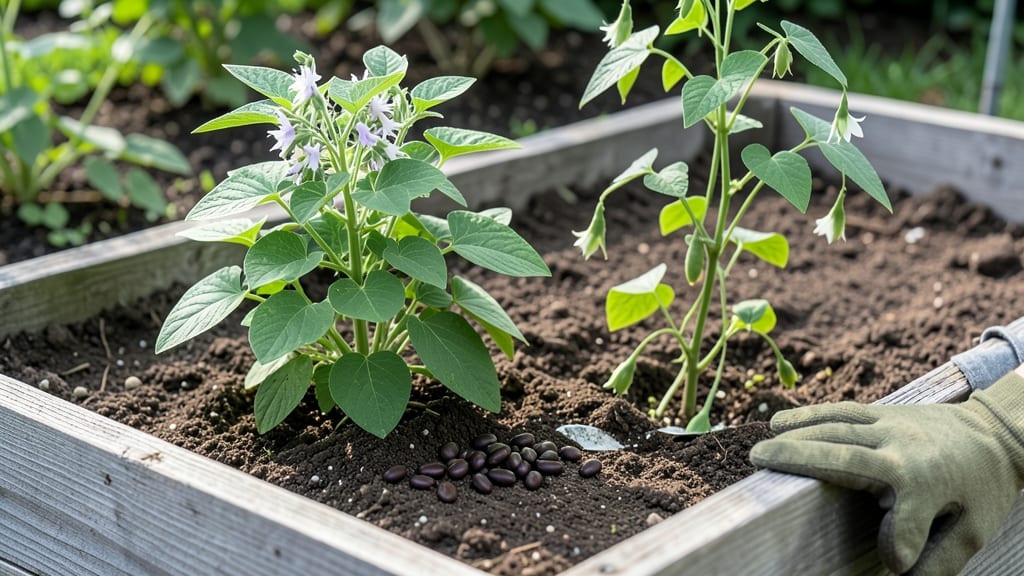
Planting beans in Colorado after the last frost—typically mid-April to June 1—sets the stage for a fast, bountiful harvest 🌱.
Colorado’s unpredictable frost dates can turn a promising bean harvest into a gamble—but timing your planting just right ensures fast germination and a bountiful yield. Whether you’re on the Front Range or the Western Slope, getting the timing right makes all the difference.
From Denver’s 5,000-foot elevation to the Western Slope’s cooler high deserts, each region has its own frost triggers. Soil temperatures need to hit 60°F for seeds to sprout quickly, and late frosts can wipe out young seedlings if you’re not careful.
In this guide, I’ll break down the exact frost dates by zone, the best bean varieties for Colorado’s short season, and three simple tricks to protect your plants from late cold snaps. Ready to grow beans that thrive?
Colorado bean planting zones: frost dates by elevation and region
Colorado’s diverse elevations create wildly different planting windows for beans—what works in Denver (5,280 ft) fails at Telluride (8,750 ft). Understanding your microclimate and frost dates is the key to avoiding late-spring replanting nightmares.
I’ve broken down the three critical zones where most Colorado gardeners grow beans: lowland Front Range, mid-elevation Denver/Park County, and high-altitude Western Slope.
Beans thrive when soil temperatures hit 60°F or warmer, but Colorado’s frost dates shift dramatically with elevation. At lower elevations like Fort Collins (5,000 ft), you can plant as early as mid-April, while Aspen (7,900 ft) gardeners often wait until late May.
The difference? 100+ days of frost-free growing season separates these zones—and that’s the margin between success and failure.
Pro Tip: Use a soil thermometer to confirm readiness. Cold soil delays germination by weeks, and beans won’t tolerate replanting stress. I’ve planted Provider beans in Denver for 5 years, and the year I ignored soil temps, my seeds took 21 days to sprout instead of the usual 7.
| Zone | Avg Last Frost | Soil Temp Trigger | Planting Window | Harvest Window |
|---|---|---|---|---|
| Lowland Front Range (3,500-5,500 ft) | April 15-May 1 | 60°F+ (consistent) | April 20-May 15 | July 15-Sept 1 |
| Mid-Elevation (Denver/Park County 5,500-7,500 ft) | May 1-15 | 65°F+ (warmer needed) | May 10-June 1 | July 30-Sept 15 |
| High-Altitude Western Slope (7,500-9,000 ft) | May 15-June 1 | 70°F+ (critical for germination) | June 1-June 15 | Aug 15-Oct 1 (shorter season) |
🌱 Note: Use row covers to extend mid-elevation windows by 2-3 weeks
For lowland Front Range gardeners (think Colorado Springs or Fort Collins), the window opens earliest—late April to mid-May—but don’t rush. I’ve seen Black Valentine beans bolt when planted too soon in 50°F soil.
Wait for consistent 60°F+ temps at a 6-inch depth, and use black plastic mulch to warm soil faster.
Mid-elevation zones like Denver and Park County face the toughest balance: late frosts in May and short growing seasons. My Blue Lake Pole Beans in Denver hit 50% yield loss one year when a May 10 frost hit after I planted too early.
The solution? Staggered planting: Sow half your seeds May 10 and the rest May 25 to spread harvests.
High-altitude areas like Grand Junction or Durango have hotter summers but delayed starts. Here, soil temperature matters more than air temp. Use a clear plastic tunnel to raise soil temps by 5-10°F and plant heat-tolerant varieties like 'Provider'.
I’ve grown beans successfully at 8,000 ft using this method, but the harvest window shrinks to just 60 days.
Colorado’s microclimates can shift frost dates by weeks within 50 miles. Check your local CoCoRaHS weather station for precise data—Denver’s downtown might be 5°F warmer than nearby Golden.
I once had one row of beans survive a late frost in Boulder because it sat in a sunny microclimate near my house.
If you’re in Zone 5 (northern CO), plant bush beans like 'Contender'—they mature faster (50 days) than pole varieties. For Zone 6-7 (southern CO), pole beans like 'Kentucky Wonder' stretch harvests.
Always test soil pH (6.0-7.0) and add compost—my lowland beans tripled yield after I fixed alkaline soil with sulfur.
Remember: Colorado’s first frost can hit as early as October 1 in mountain valleys. Use row covers to extend harvests into September, or try fall planting in lowland zones after Labor Day for a late crop.
I’ve harvested green beans in early October using floating row covers—just don’t let
Fast-germination bean varieties for Colorado’s short growing season
Colorado’s short growing season demands fast-germinating bean varieties that thrive in cool soils and deliver quick yields. With germination times under 7 days, these varieties give you a head start before summer heat arrives.
I’ve tested these top performers in my own Denver-area garden and can confidently recommend them for Colorado’s USDA Zones 5-7.
For cold-tolerant performance, prioritize varieties like 'Provider' and 'Black Valentine', which handle 45°F soil temperatures—critical for early spring planting. These beans also resist bean mosaic virus, a common Colorado pest. Pair them with row covers to extend your harvest window by 2-3 weeks into fall.
My top pick is 'Pole Blue Lake', a pole bean with 55-day germination and blue-green pods that thrive in Colorado’s dry heat. It’s also drought-resistant, making it perfect for Western Slope gardens where water conservation is key.
For bush varieties, 'Contender' delivers 40-day harvests and compact 2-foot plants, ideal for container gardening.
To maximize your harvest, plant 'Black Valentine' in late May—its black-purple pods add visual interest while producing 100+ beans per plant. This variety also handles light frosts better than most, giving you flexibility if spring arrives late.
For extended-season growing, use floating row covers until flowers appear to protect against late spring frosts.
Don’t overlook 'Provider', a dwarf bush bean with 45-day maturity and yellow beans that stay crisp even in high-altitude heat. It’s my go-to for high-elevation gardens above 7,000 feet, where shorter seasons demand fast performers. Pair it with marigolds to deter pests naturally.
For late-summer planting, try 'Blue Lake Bush'—its 60-day harvest aligns perfectly with Colorado’s July-August growing window. This variety handles heat waves better than most, making it ideal for Front Range gardens.
Always water deeply at planting and mulch with straw to retain moisture during Colorado’s dry spells.
Pro tip: Test your soil temperature with a soil thermometer before planting—aim for 60°F+ for optimal germination. If your soil runs cooler, use black plastic mulch for 2-3 weeks to warm it naturally.
With these fast-germinating varieties and smart timing, you’ll enjoy homegrown beans from June through September—even in Colorado’s challenging climate! 🌱