
Plants
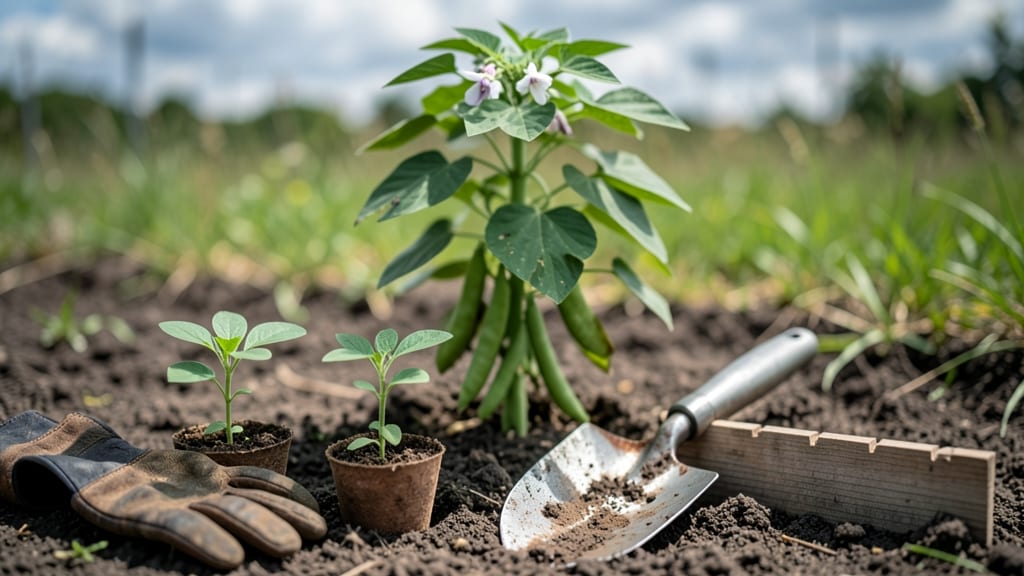
Planting beans in Kentucky after the last frost and when soil hits 60°F is the key to a thriving harvest—miss that window, and you risk stunted growth or worse.
Kentucky’s unpredictable spring weather can turn your bean planting into a gamble—but knowing the exact soil warmth triggers and microclimate tweaks can mean the difference between a bumper crop and a failed patch.
Whether you’re growing bush varieties in the Bluegrass Region or pole beans in the Appalachian foothills, timing matters.
In USDA zones 6a-7b, most gardeners aim for April 15–May 15, but your local frost date and elevation can shift that by weeks. I’ll break down how to read soil temps, adjust for valleys or urban heat islands, and even salvage late plantings if summer rolls in early.
By the end, you’ll know not just when to plant, but how to give your 🌱 beans the best shot at success—no guesswork, just data-backed strategies for Kentucky’s climate.
Kentucky bean planting timeline based on soil temperature and last frost dates
Timing your bean planting in Kentucky isn’t just about the calendar—it’s about soil temperature and microclimate. Beans need consistent warmth to germinate, and Kentucky’s USDA zones 5b-7a create regional variations.
In Zone 5b, where early frosts linger, you’ll plant later than in Zone 7a, where summer heat arrives sooner. The key? Waiting until the soil hits 60°F at a 4-inch depth—this triggers germination and avoids cold-soil shock.
Most Kentucky gardeners rely on last frost dates, but these vary wildly. The Bluegrass Region (Lexington/Louisville) averages its last frost around April 15, while Eastern Kentucky’s mountains (e.g., Pikeville) can see frost as late as May 1.
Use a soil thermometer to confirm readiness—don’t guess! Planting too early risks blackened seedlings from nighttime chills, while waiting too long cuts your harvest window.
🌱
For bush beans, which mature faster (50–60 days), aim to plant in early May across most of Kentucky. These compact plants thrive in well-drained soil and tolerate moderate heat, making them ideal for Zone 6a–7a.
In Eastern Kentucky’s Zone 5b, delay until May 1 to avoid frost damage—even a 28°F night can kill seedlings.
Pole beans, like Kentucky Wonder
Microclimate adjustments: how Kentucky’s valleys, mountains, and urban heat islands affect bean planting
Kentucky’s diverse geography—from the Appalachian highlands to the Bluegrass river valleys—creates wildly different growing conditions for beans. In Eastern Kentucky’s mountains, cooler temperatures delay planting by 2-3 weeks compared to Louisville’s urban heat islands, where soil warms faster.
Understanding these microclimate variations lets you adjust planting times and protect young plants for a 2-4 week extended season.
For mountain regions like Pike County (USDA Zone 6a), aim for late May planting after soil hits 60°F consistently. Meanwhile, Lexington’s urban gardens (Zone 7a) can start as early as April 15 using row covers to shield seedlings from late frosts.
The key? Soil temperature monitoring and strategic site selection—whether that’s a south-facing slope or a heat-reflecting concrete patio.
- Mountain Gardens (Zones 5b-6a): Wait until May 15-30; use cold frames to start seeds indoors by April 1.
- River Valleys (Zones 6b-7a): Plant April 15-May 1; row covers extend season by 3 weeks in both spring/fall.
- Urban Heat Islands (Zones 7a-8a): Start March 20-April 15; shade cloth prevents bolting in 90°F+ heat.
- Succession Planting: Sow every 2 weeks from May-July for continuous harvests; pole beans benefit most.
- Cold Frame Hack: Add black plastic mulch under frames to warm soil 5-7°F faster in cool areas.
In Eastern Kentucky’s valleys, like the Red River Gorge, the Bluegrass Region’s limestone soils hold warmth longer, letting you plant 10-14 days earlier than surrounding areas. Test soil with a digital thermometer—beans need 60°F for 7+ days to germinate.
For urban gardens, choose reflective surfaces (like light-colored walls) to reduce heat stress on plants during summer.
Extend your harvest by 30-45 days with succession planting. In Zone 6a, sow bush beans every 2 weeks from May through June; in Zone 7a, add a late July planting for fall harvests.
Use lightweight row covers (like Agribon) to protect seedlings from late spring frosts or early fall chills.
Pro tip: Pole beans thrive in urban heat islands because their vines create natural shade, cooling roots. Pair them with fast-maturing varieties like ‘Blue Lake’ (55 days) to beat summer’s peak heat.
For mountain gardens, opt for ‘Kentucky Wonder’ pole beans, which tolerate cooler soils better than most varieties.
Remember, Kentucky’s microclimates aren’t just about timing—they’re about plant placement. A north-facing slope in Letcher County might stay 10°F cooler than a south-facing urban lot in Bowling Green.
Use these tweaks to maximize your growing season and enjoy beans from June through September—no matter where you garden in the Bluegrass State. 🌱